
A branded baseball cap range can start with one logo and quickly grow into several products: a front mark for one colourway, a side identifier for another, or a different label for a particular collection. The useful question is which artwork belongs to each finished cap. A clear variant register prevents those choices from being scattered across emails and mockups.
The Baseball Cap Buying Guide covers the overall product brief. This article focuses on keeping authorised artwork, placements, colourways and release decisions connected across a branded cap range.
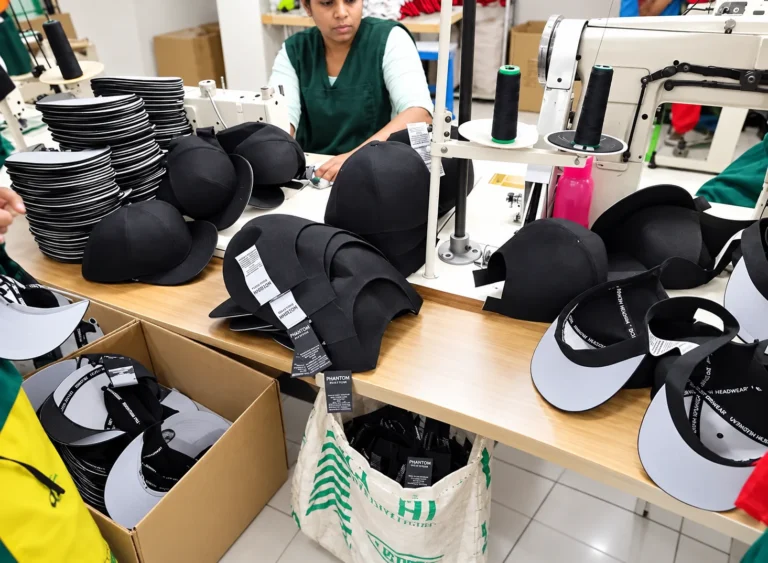
Identify the authorised master artwork
Keep the original brand file, the artwork version and the person responsible for approving it identifiable. State the permitted logo arrangement, colour reference and any restrictions on adapting the mark. If lettering or fine detail needs a production adaptation, retain that adaptation as a separate accepted version.
A filename such as “final logo” becomes ambiguous when several revisions exist. Add a stable reference and a date, then use the same reference on the sample comments and variant register. Archive superseded files so they cannot be mistaken for the release version.
Map every placement to its actual cap variant
Show front, side, rear and interior branding wherever relevant. Record the finished dimensions and placement relative to identifiable seams or edges. Connect the mark to the cap’s colour, construction and size coverage.
Separate a new artwork colourway from a change to the cap itself. A logo may share the same outline across several fabrics while needing a different thread, print or badge reference. Keep that difference visible rather than describing all versions as the same branded cap.
Approve the completed application
Review the logo on the intended crown, including seam crossings, small lettering, edge clarity and the fabric around the application. Check the decorated interior as well as the outward appearance. Identify the cap and artwork versions used for the review.
For an embroidered application, Madeira’s backing guidance provides background on matching support to the fabric and design. The application approval should still identify the actual assembled cap rather than relying on a digital proof or an unrelated sew-out.
Keep a release register that can be checked
| Field | Record |
|---|---|
| Cap item | Style, colour and relevant size version |
| Artwork | Authorised file and accepted production adaptation |
| Application | Method, dimensions, colours and placement |
| Approval | Dated sample reference and accepted coverage |
| Release status | Open changes or confirmed version for supply |
Keep accepted features separate from requested changes. A new cap colour, fabric or artwork size should prompt a review of the affected application, even when the master logo is unchanged. Confirm who closes the decision before the item enters the order.
Carry the same identity into labels and packing
Connect the final artwork references to the label, hangtag, barcode information and packing list where required. Reconcile quantities by the complete finished item. This helps the receiving team distinguish two caps that share the same crown colour but carry different marks.
Retain the released register for a repeat order and identify proposed revisions clearly. Discuss production through the Wenext Caps baseball cap product page. To prepare a proposal, send the branded cap artwork brief with cap views, authorised files, item quantities and the required timing.