
Custom Cap Development
Build the shape, materials and details around your brand.
Custom cap development starts with a sketch, technical pack or reference cap. We help review the options, then confirm the complete specification through sampling. Tell us who will wear the cap, how it will be used and which details define your brand. A clear brief helps connect the intended appearance with suitable materials and construction.

Shape & Materials
Choose panel construction, crown profile, structured or unstructured fronts, fabric and colour. Review visor shape, fit and closure alongside the intended cap style.
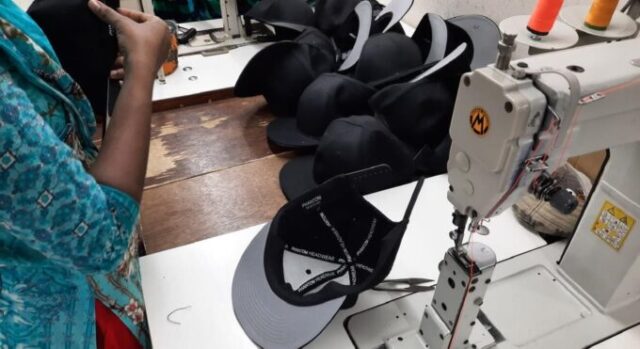
Logo & Decoration
Discuss flat or raised embroidery, printing and patch options. Share artwork, colours, dimensions and placement so we can check suitability for the selected fabric.
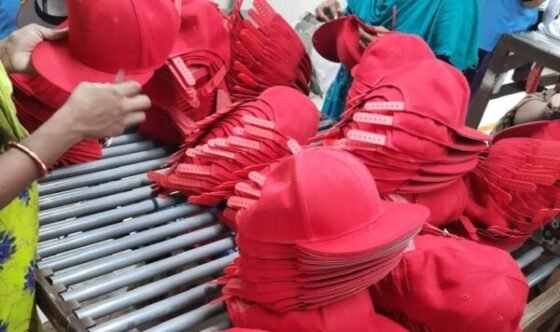
Private-Label Finishing
Specify sweatbands, internal taping, labels, hangtags, closures and packing. Confirm logo presentation and retail requirements on your approved sample.
Custom Cap Development: From Idea to Approved Sample
1. Send your brief: Product reference, artwork, fabric, colour, quantity and destination.
2. Review the options: We discuss construction, materials, decoration, pricing and schedule.
3. Approve the sample: Check shape, fit, colours, logo and finishing before bulk production.
Prepare a Practical Product Brief
Include front, side, back and inside views where possible. Specify the intended size range, crown height, visor dimensions and closure type. Mark the required colours and separate the order quantity by style and colour. If a detail is flexible, explain the acceptable alternatives. This allows the team to review options without changing an essential part of your design.
Review Fabric and Fit Together
Fabric weight, texture and construction influence how a cap holds its shape. A soft casual style and a structured promotional cap may need different combinations of shell material and support. Cotton, polyester and mesh options should be reviewed against your reference. For background on cotton fabrics and textile processes, see the CottonWorks learning resources. Confirm the actual material selection through your own sample.
Fit also depends on the pattern, sweatband and closure. Check the sample on the intended wearer or an agreed fitting reference. Record measurement points and tolerances so later reviews use the same method. Our baseball cap manufacturing page provides a starting point for reviewing crown and visor choices.
Make Artwork Ready for Sampling
Send clear artwork with dimensions and placement instructions. Include thread or print colour references and explain whether fine lettering, raised elements or a patch border are essential. Decoration can behave differently across fabric types and curved surfaces. Review the sample for readability, alignment and the appearance of the reverse side before confirming the final branding method.
Record Approval and Manage Changes
Custom cap development is complete only when the agreed details are recorded. Review shape, fit, material, colour, logo, labels and packing together. Put comments against a dated sample or specification version. If a revision changes the fabric or construction, check whether another sample is needed. This helps avoid confusion between an early concept and the reference approved for bulk production.
Before confirming the order, agree the applicable minimum quantity, material availability and production schedule. Special sourcing can affect both cost and timing. Keep manufacturing completion separate from shipment arrival when planning a launch. Our lead time guide explains the key planning considerations.
Plan Consistency for Future Orders
Retain the final sample and specification for repeat orders. Confirm any changes to colours, quantities, trims or labels when you reorder. The team should review material availability again and identify substitutions for approval before production. Consistent documentation supports a clear comparison between the previous order and the next production batch.
Have a cap idea ready?
Send your reference and artwork to begin development.