

Wenext Caps is a Bangladesh cap manufacturer checking quality from incoming materials to finished cartons.
Our quality team uses the approved sample, artwork and measurements as the reference throughout production. Your inspection requirements are agreed before bulk work begins.

01 · Materials & Cutting
Check fabric shade, surface, hand feel and panel dimensions. Review trims and visor components against the approved specification.
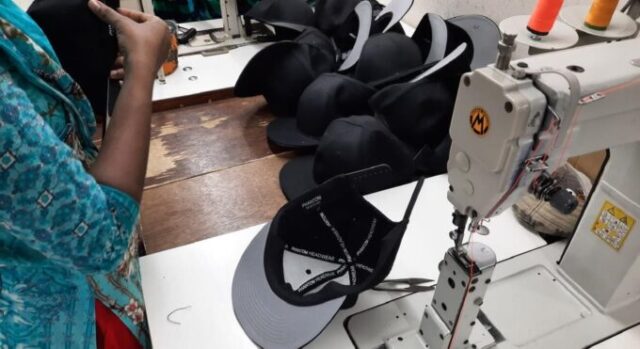
02 · Assembly & Decoration
Review crown balance, seams, stitching, visor attachment and closure function. Check logo colour, size, position and finish.
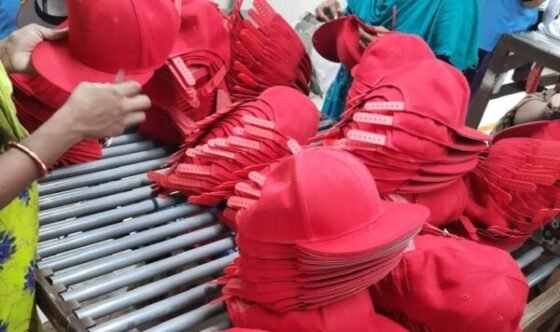
03 · Final Inspection
Check circumference, fit, appearance, labels and packing. Confirm quantities, assortment and carton marks before dispatch.
Quality Planning With a Bangladesh Cap Manufacturer
Share measurement tolerances, inspection criteria and any required product testing with your inquiry. Special performance or destination-market requirements need to be reviewed for the selected materials and finished product.
The approved sample remains the reference. Changes to material, artwork or construction should be confirmed before bulk production.
Start With an Approved Product Reference
Cap quality control begins with a clear specification. Keep the approved sample, size chart, artwork and colour references together. Record the inspection method and acceptable measurement tolerances so both the buyer and production team understand how the finished cap will be assessed.
During custom cap development, identify requirements for the crown, visor, sweatband, closure and labels. A change to any component may affect fit or appearance. Confirm revisions in writing and update the sample reference before the order proceeds.
Fabric and Decoration Review
Fabric inspection considers shade consistency, visible defects and suitability for the construction. Where a buyer specifies colourfastness, shrinkage or other performance requirements, the test method and acceptance criteria should be agreed for the actual material. General descriptions alone do not establish a test result.
For embroidery inspection, compare logo dimensions, position, thread colours and finishing against the approved artwork. Woven patches and printed decoration need their own checks. Review the inside of the cap as well as the outside, including backing, loose threads and wearer comfort.
Sewing, Fit and Closure Checks
Stitching inspection covers seam alignment, skipped stitches and the attachment of the visor and sweatband. Crown symmetry and panel balance affect the overall shape. Measurements should follow a consistent method so comparisons remain useful across different inspectors and production stages.
A Bangladesh cap manufacturer also needs to assess closure function and the agreed adjustment range. Snapbacks, straps and fitted constructions have different requirements. Use the relevant product specification rather than applying one generic fitting checklist to every headwear style.
Final Inspection and Export Packing
Finished cap inspection brings together appearance, measurements, logo placement, labels and assortment. Record findings with the order reference and clear photographs where helpful. If corrective work is needed, confirm what must be reviewed again before packing is completed.
Carton inspection checks quantity ratios, packing protection, shipping marks and destination instructions. Private-label packaging may also include barcodes or hangtags. Confirm these details early because a cap can match the approved sample while its labels or carton assortment still need correction.
Agree Buyer Requirements Early
Our factory profile explains how the production stages connect. Share your buyer quality manual at inquiry stage, including any requested independent inspection. The inspection scope and reporting arrangements should be confirmed for the order rather than assumed from a general website description.
Clear records help repeat programmes remain consistent. Retain approved references, identify changes between orders and review material availability before the next run. This gives your team a practical basis for discussing workmanship and resolving differences.
Have a buyer quality manual?
Send your requirements with your cap design so we can review the right checks for your order.