
Custom Beanie Manufacturer in Bangladesh
Develop custom beanies with buyer-approved yarn, knit structure, fit and branding. Wenext Caps reviews cuffed and uncuffed silhouettes, crown shaping, labels and private-label packing against your reference sample.
Minimum Order
Confirmed by yarn, colour, knit construction and quantity per style.
Sampling Lead Time
Confirmed after yarn and construction review.
Production Lead Time
Confirmed after sample approval and scheduling.
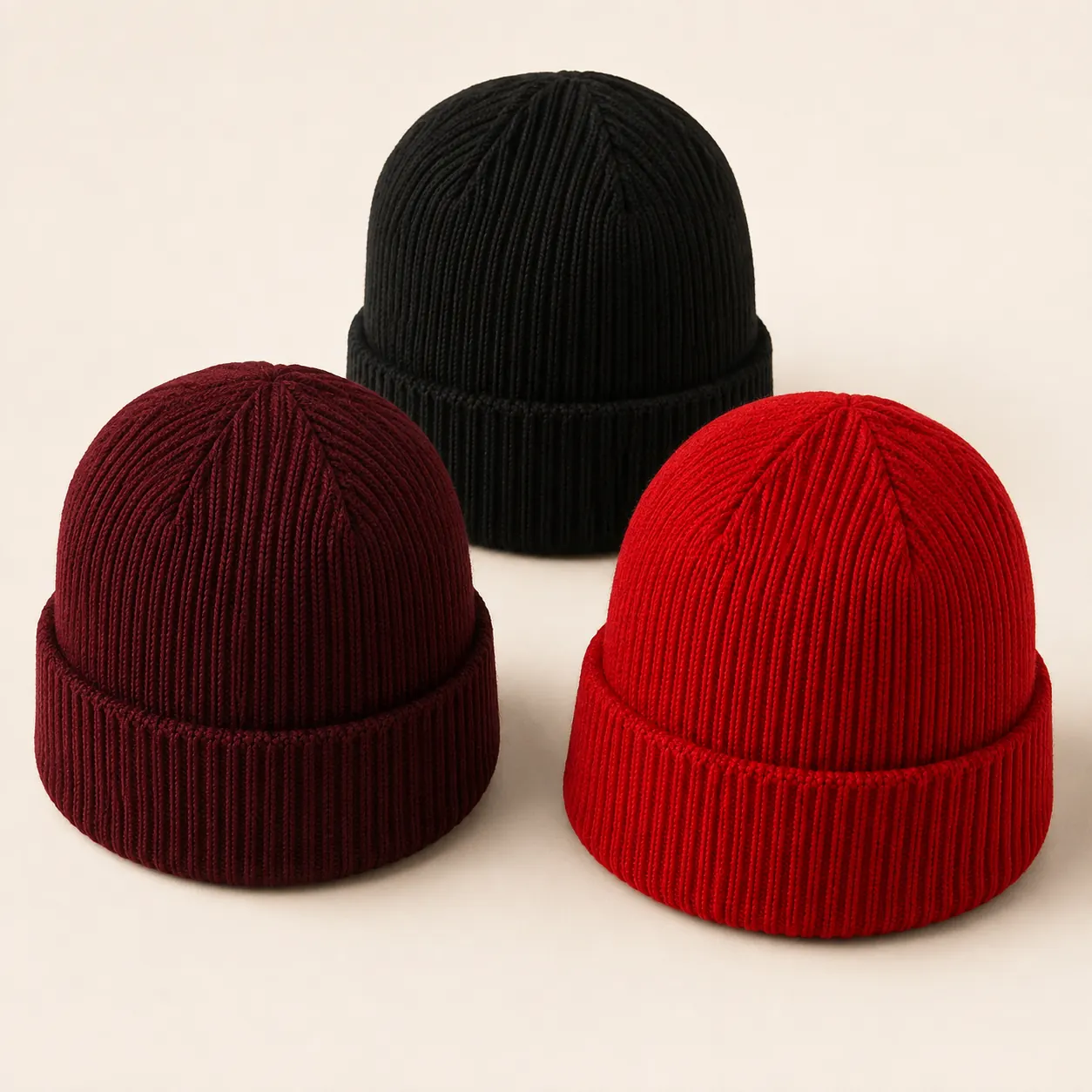
ABOUT OUR BEANIE CAP MANUFACTURING
Beanies Built Around Shape, Fit and Brand Detail
A beanie is a knitted headwear style with a close-fitting or relaxed silhouette. We define finished height, opening width, cuff depth and crown shape together, because yarn choice and stitch structure affect stretch and appearance.
Knit Structure & Crown Shaping
Cuff & Opening Development
Logo Placement & Decoration Planning
Fit Measurements & Size Consistency
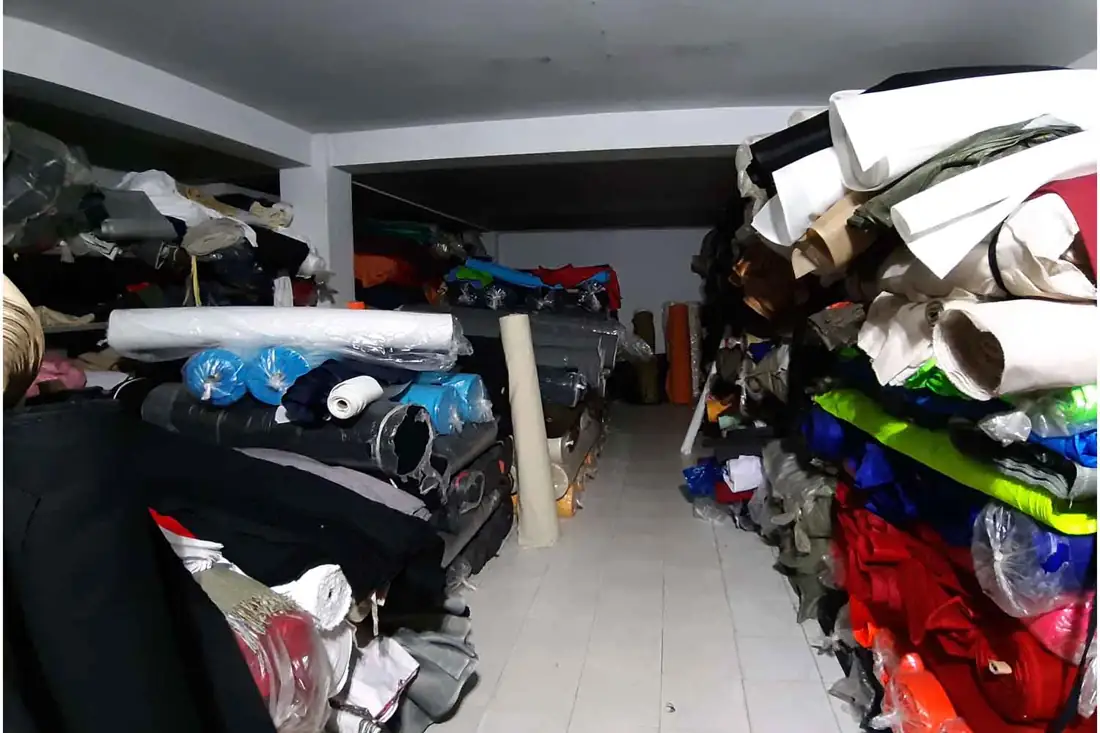
Our Manufacturing Support
OEM / ODM
Product Development
Private Label
Labels, Trims & Packing
Sample Approval
Shape, Fit & Decoration
Worldwide
Export Coordination
YARN OPTIONS FOR CUSTOM BEANIES
Review acrylic, cotton, wool-containing blends or other specified yarns using actual swatches. Yarn composition, thickness, colour and knit density are confirmed before sampling. Warmth, softness and care expectations must match the selected material.
Acrylic Yarns
Review yarn thickness, colour and hand feel on a knitted sample.
Cotton Yarns
Review a cotton knit for the desired feel, dimensions and stitch definition.
Wool-Containing Blends
Confirm the actual fibre blend, hand feel and care requirements.
Polyester Blends
Select the blend around the required knit structure and appearance.
Recycled-Yarn Options
Availability and any recycled-content claims require supplier documentation.
Custom Yarn Colours
Approve colour and lot consistency on the specified yarn.
BEANIE CAP BRANDING & FUNCTIONAL FINISHING
Cuff labels, embroidery, patches, internal labels and optional pom details are developed around the knit structure. Decoration should suit the stretch of the finished hat and remain comfortable against the wearer.
▦
Folded Cuffs & Knit Openings
▣
Crown Joins & Edge Finishing
♜
Embroidery & Cuff Branding
✓
Woven, Printed & Care Labels
◈
Internal Labels & Seam Finishing
▤
Contrast Knits & Colour Blocking
⌂
Woven, Embroidered & Printed Patches
⤢
Branded Polybags & Carton Marking
FLEXIBLE CAPACITY FOR BEANIE CAP ORDERS
Our headwear production team supports custom beanie cap programs through flexible line allocation, structured quality control and worldwide export coordination.
UP TO 450K
Caps & Headwear Monthly Capacity
Skilled Headwear
Production Team
Flexible Production Planning
Order-specific allocation
Worldwide
Export Support
OUR BEANIE CAP PRODUCTION PROCESS
Sampling confirms yarn, stitch pattern, crown shaping, dimensions and artwork. Production follows material review, knitting, assembly where required, decoration, finishing and measurement checks before packing. The approved sample remains the reference.
QUALITY CONTROL FOR BEANIES
Yarn, Shade, Hand Feel & Knit Review
Opening, Height & Cuff Measurement
Edge Recovery & Comfort Check
Knit Consistency & Crown Join Review
Logo Placement, Labels & Finishing Inspection
Final Appearance & Packing Inspection
WHY INTERNATIONAL BUYERS CHOOSE WENEXT CAPS FOR BEANIES
Our beanie development support helps buyers coordinate yarn, knit structure, fit, decoration and consistent repeat production.
💰
Knit & Fit Development
Stitch density, finished height and opening dimensions are approved together.
⏱
Cuff & Opening Control
Cuff depth, edge recovery and folded appearance follow the approved sample.
🛡
Decoration Planning
Artwork is sampled on the actual knit and cuff construction.
♻
Yarn & Finish Specification
Yarn composition, colour, stitch density and care requirements are confirmed before production.
⚙
Repeat Fit Consistency
Approved patterns, measurements and trim references provide a clear starting point for replenishment orders.
☑
Controlled Bulk Execution
Knitting, decoration, finishing and packing follow the approved sample before shipment.
WHO WE MAKE BEANIES FOR
Retail & Lifestyle Brands
Branded knit headwear with custom yarn, fit and finishing.
Sports & Teamwear
Team colors and approved logo placement for merchandise programs.
Corporate Programs
Branded caps for field teams, events and company uniforms.
Promotional Agencies
Custom logo caps planned around campaign quantities and delivery.
Wholesalers & Importers
Documented specifications and organized export packing for bulk orders.
Private-Label Headwear
Brand-owned labels, hangtags, trims and retail presentation.
Frequently Asked Questions
What is the MOQ for custom beanies?
The minimum order depends on the yarn, colours, knit construction and branding. Send your specification and quantity per colour so we can confirm the applicable MOQ during quotation.
Which beanie shapes and cuffs can you develop?
Cuffed, uncuffed, close-fitting and relaxed silhouettes can be reviewed from your reference. Finished height, opening width and cuff depth are approved together on the sample.
Which yarns can be used for beanies?
Acrylic, cotton, wool-containing blends and other specified yarns can be reviewed. Confirm composition, hand feel, knit density, colour and care requirements on actual swatches.
Can you customize the knit and logo placement?
Yes. Stitch patterns, cuff depth, labels, patches and embroidery are developed around the chosen knit. The finished sample confirms decoration placement and its effect on stretch.
Can you manufacture private-label beanies?
Yes. Buyer-approved artwork, labels, hangtags and packing can be developed for a private-label beanie program.
Can you develop a sample before bulk production?
Yes. Sampling follows confirmation of yarn, construction, dimensions and branding. The sample schedule is confirmed for the selected materials and development requirements.
What is the bulk production lead time?
Bulk lead time is confirmed after sample approval, yarn availability, order quantity and production scheduling are agreed.
Can you ship beanies internationally?
Yes. Export packing and shipment are arranged for the destination and agreed order terms. Confirm delivery requirements during quotation.
Related Products
Beanie Knit Structures, Crown Joins and Stretch
Beanie development starts with the required silhouette and knit construction. Crown shaping, seam position and stitch density are reviewed with the opening width and finished height. Check the relaxed and stretched fit on the approved sample.
Beanie development begins with the knitted shape and the way it should sit on the head. A close-fitting style, a longer slouch profile and a cuffed beanie need different proportions.
A custom beanie manufacturer in Bangladesh should receive the intended finished height, width, crown shape and reference appearance. The knit structure influences how the fabric stretches and how much volume remains above the head.
Review the sample both relaxed and worn, because flat measurements do not fully describe the finished fit. The construction brief should cover crown shaping, joining, seam placement and single or double layers.
A bulky seam can affect comfort even when the outside looks correct. Ask the custom beanie manufacturer in Bangladesh to position stripes or knitted motifs around the crown shaping so the design stays balanced.
Review the inside when several yarn colours are used. Approve texture, thickness and shape together. Loose internal floats should be assessed for snagging, especially around the cuff and crown seam areas.
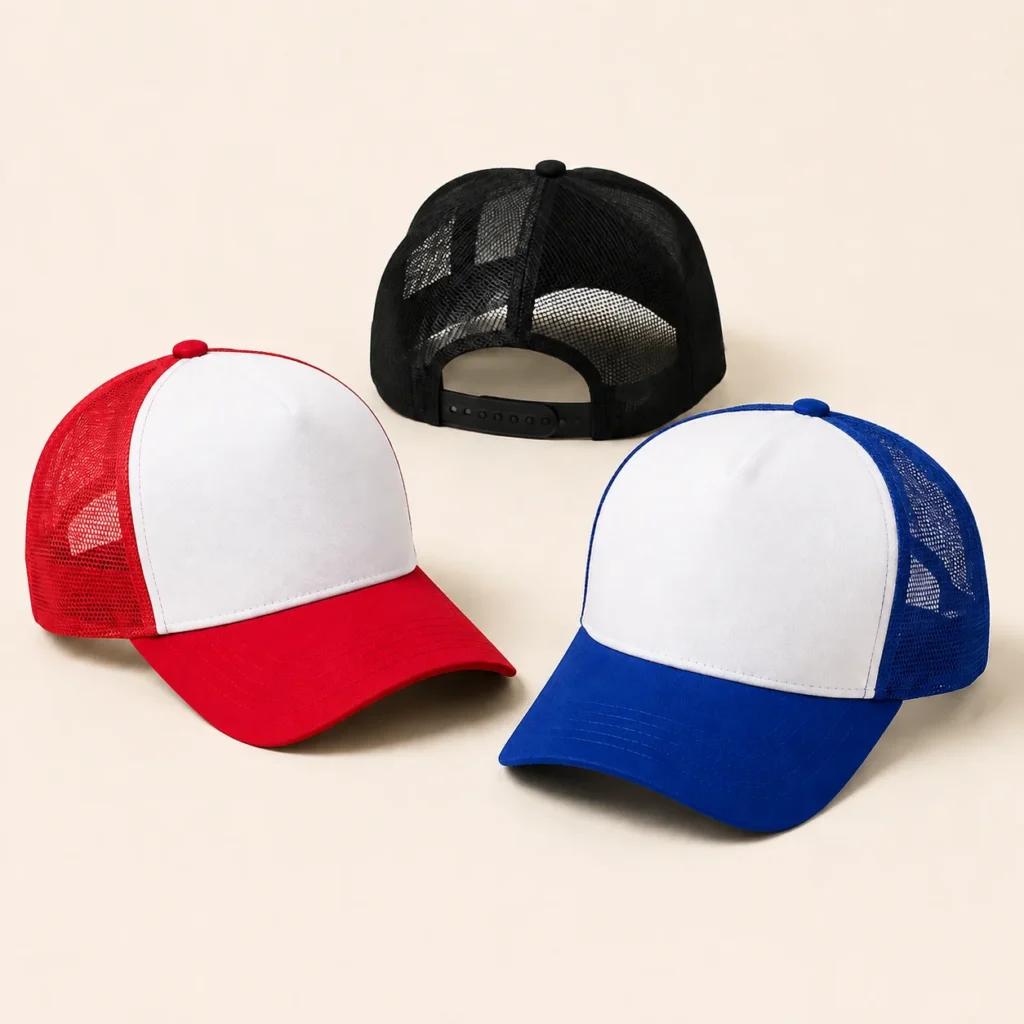
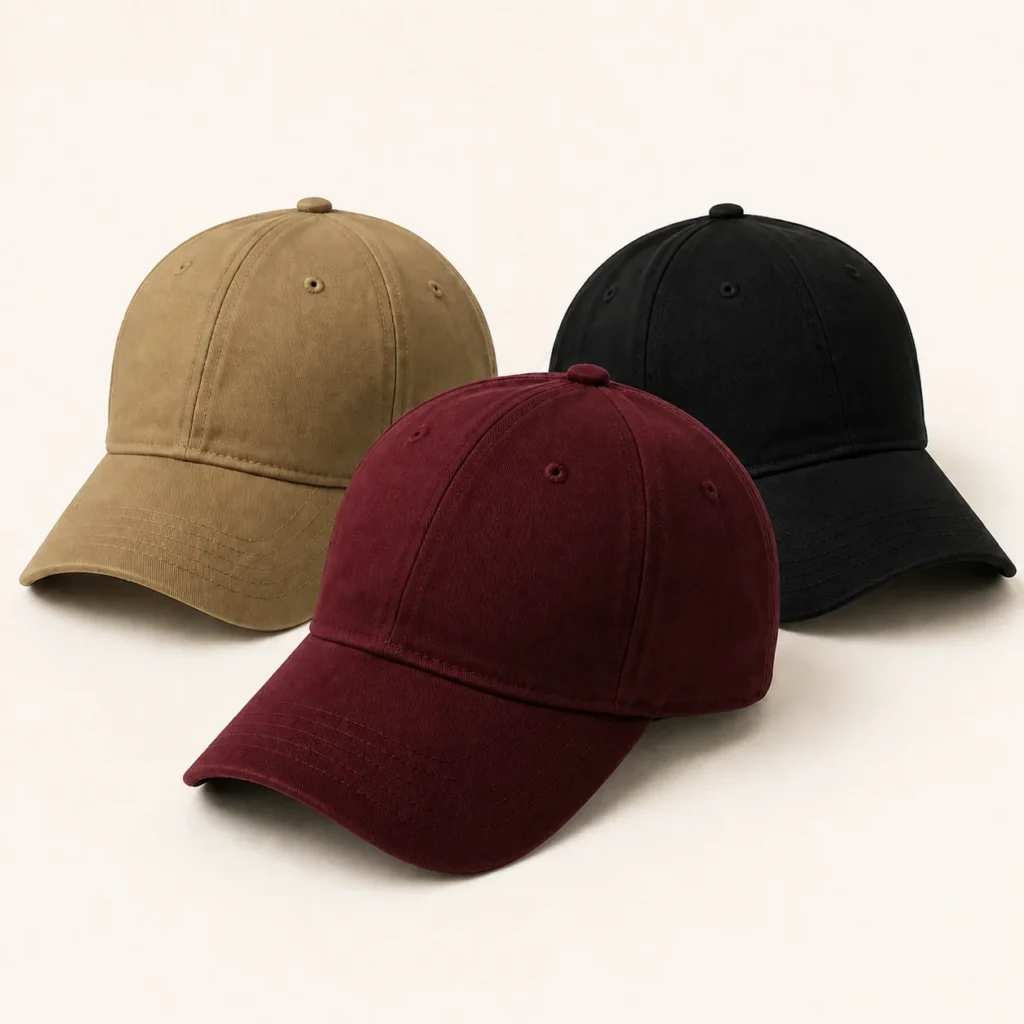
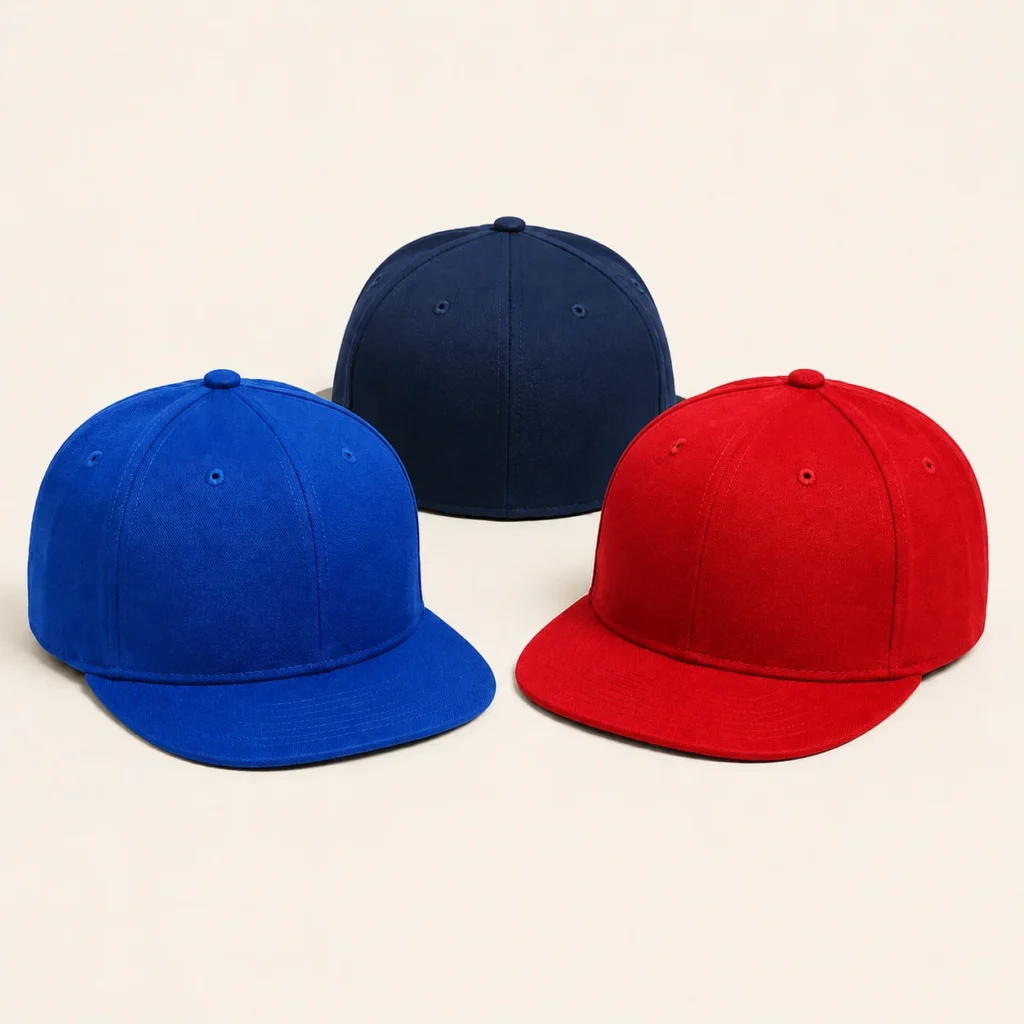
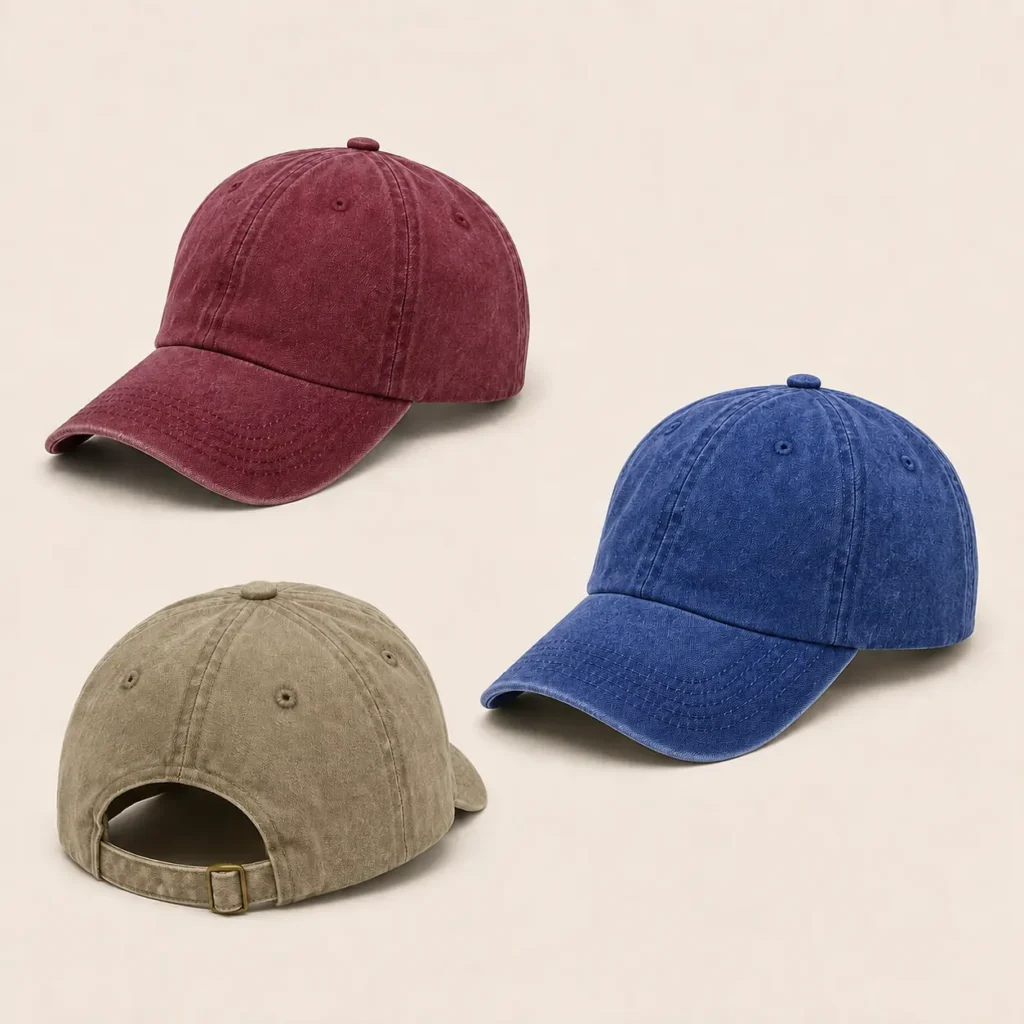
For silhouette comparison, review cuffed knit beanie example and our custom bucket hats. Use these references to identify seasonal coverage, texture and branding space, then specify the measurements and branding required for your own collection.
Cuff Depth and Folded Beanie Proportions
Specify a folded cuff, shallow turn-up or uncuffed opening. Cuff depth affects both fit and the visible branding area. Review edge recovery and comfort after handling, and agree the measurement method before bulk production.
A beanie’s cuff changes its appearance and the available branding area. Specify whether it folds once, folds twice or remains unfolded, then position labels against the approved finished cuff dimensions.
Specify fold height, number of folds and whether the cuff remains fixed or adjustable. A custom beanie manufacturer in Bangladesh needs the intended ear coverage and the desired fold without rolling or flaring.
The total knitted length must support that arrangement. A narrow cuff and compact crown need different proportions from a deep cuff and taller body. Record both dimensions on the size specification.
For a cuffless style, the lower edge needs suitable finishing and comfortable stretch. Discuss edge construction with the custom beanie manufacturer in Bangladesh and check whether the opening recovers after handling.
Optional pom details need their size, material and attachment specified. Beanie development focuses on the knit opening, crown and cuff rather than a cap visor or rear buckle. Keep these features consistent across sizes and colours.
A double-fold cuff uses more knitted length than a single fold. Compare the visible cuff height with the unfolded measurement, and check whether the chosen label remains upright when the wearer adjusts the fold.
Yarn Selection for Texture, Weight and Recovery
Approve yarn swatches and knitted samples for composition, colour, hand feel and stitch definition. A yarn substitution can change dimensions and recovery, so any change requires a new review. Retain approved swatches for subsequent colour comparisons.
Material and care information must reflect the actual yarn. Yarn composition, thickness and hand feel determine much of a beanie’s character. Acrylic, cotton, wool-containing blends or other selected yarns should be evaluated against the collection and care expectations.
A custom beanie manufacturer in Bangladesh needs the actual fibre specification and colour reference, rather than a broad request for a warm hat. Review skin-contact comfort, surface texture and finished weight.
The same stitch pattern can look different when yarn thickness changes, so substitutions need approval. Compare the proposed yarn in the actual knit structure, including its appearance after stretching and relaxation.
Ask the custom beanie manufacturer in Bangladesh about the proposed knit structure and requested checks for pilling, dimensional change or colourfastness. Stretch and recovery depend on the combined yarn and construction.
Recycled or certified fibre claims require supporting documentation for the supplied material. Thermal or moisture-related claims also need appropriate evidence. An approved swatch and finished sample provide a practical comparison reference.
For mixed-colour yarns, assess how the knitted surface changes under different lighting. A small yarn cone cannot fully show the final texture, so approve a knitted panel before confirming the complete beanie sample.
Embroidery and Labels on Knitted Cuffs
Supply artwork, label dimensions and placement references. Embroidery, woven labels and patches are sampled on the selected knit and cuff construction. Keep branding placement consistent when the cuff is folded to its approved depth.
Beanie branding must work with a flexible knitted surface. Woven patches, embroidery, folded labels and knitted motifs create different effects. A custom beanie manufacturer in Bangladesh should receive artwork dimensions, colours and placement relative to the cuff or lower edge.
Dense embroidery may restrict local stretch, while a patch can change how the cuff folds. Assess the decorated sample while worn, not only photographed flat. Check whether backing touches the forehead.
The custom beanie manufacturer in Bangladesh also needs private-label wording, care information and hangtag instructions. Confirm that the logo stays correctly oriented when the cuff reaches its approved fold height.
Reversible or double-layer styles need a clear plan for internal labels. Small lettering can disappear into textured knitting, making artwork simplification useful during sampling. Keep branding linked to the approved yarn and knit so new colourways retain consistent proportions.
Measuring Beanie Fit After Stretch and Relaxation
Define opening width, finished height, cuff depth and relevant stretch measurements. Check fit against the intended wearer and size reference. Document tolerances and the measurement condition so repeat orders can be compared consistently.
Beanie sizing should describe relaxed dimensions and the comfortable wearing range. A custom beanie manufacturer in Bangladesh needs target head sizes, finished length and cuff arrangement. The opening should hold appropriately without excessive pressure.
Crown height should provide the intended coverage or slouch. Flat width alone cannot establish fit because knit elasticity varies. Evaluate representative wearers and note how the beanie behaves after repeated fitting.
Review recovery, seam comfort and cuff position with the custom beanie manufacturer in Bangladesh. Measure the sample after it has relaxed, and compare the wearing range against the intended customer group.
Record measurement methods and any conditioning or care procedure used before assessment. Adult and children’s sizes should suit their intended wearers rather than being described as universally interchangeable. A separate size may require changes in length as well as width.
Accurate labels and an approved fit range help buyers plan assortments and explain the product honestly. Separate adult and junior sizing when applicable, using measurements instead of relying solely on age labels.
Knit Inspection, Yarn Ends and Beanie Packing
Final checks cover knit consistency, crown joins, loose yarn ends, dimensions, labels and decoration. Review the folded appearance and packing against the approved sample. Care instructions and fibre descriptions follow the confirmed yarn specification.
Knit inspection addresses different issues from woven-cap inspection. A custom beanie manufacturer in Bangladesh should review dropped stitches, holes, uneven knitting, yarn joins and crown closure. Cuff depth and colour-pattern alignment should match the sample.
Unwanted loose yarn can affect appearance and comfort. Decoration must remain secure without distorting the knit. Compare thickness and hand feel, since a visually similar beanie may use a different yarn or stitch structure.
Care and packing should protect shape and surface. Give the custom beanie manufacturer in Bangladesh care wording appropriate to the actual fibre and decoration. Review requested washing or dimensional checks before finalizing instructions.
Pack cuffs and labels consistently, avoiding snagging and unnecessary compression. Carton markings should distinguish colour, size and design. Retaining finished samples supports later comparison of shade, texture and recovery. Include the approved packing arrangement with reorders.
Developing a Private-Label Beanie Collection
Send your beanie reference, yarn preference, stitch pattern, colour, dimensions, artwork and quantity for quotation. Knit development, yarn availability and order quantity determine the confirmed sampling schedule, minimum order and bulk lead time.
A useful enquiry includes style length, cuff details, knit reference, yarn composition, colours, branding and quantities. A custom beanie manufacturer in Bangladesh can assess the project more accurately when the intended season, customer group and retail presentation are explained.
Identify whether a reference sample’s shape, texture or weight is the main priority. This directs development toward the features that define the collection. Include reference measurements to distinguish close alternatives during sampling.
For Wenext Caps orders, confirm yarn availability, applicable minimums and the schedule for the selected construction. A custom beanie manufacturer in Bangladesh should receive approval of yarn, knitting, fit and branding before bulk production.
Keep the colour breakdown and packing requirements with that approval. Allow time for sample review and requested material checks. A documented specification supports repeat production and future colours while preserving the fit and feel already approved.
Develop Your Custom Beanie Program
Share your beanie reference, yarn, cuff style, dimensions and branding. We will review the construction, sampling requirements and quotation for your private-label program.