
Custom Beanie Buying Guide
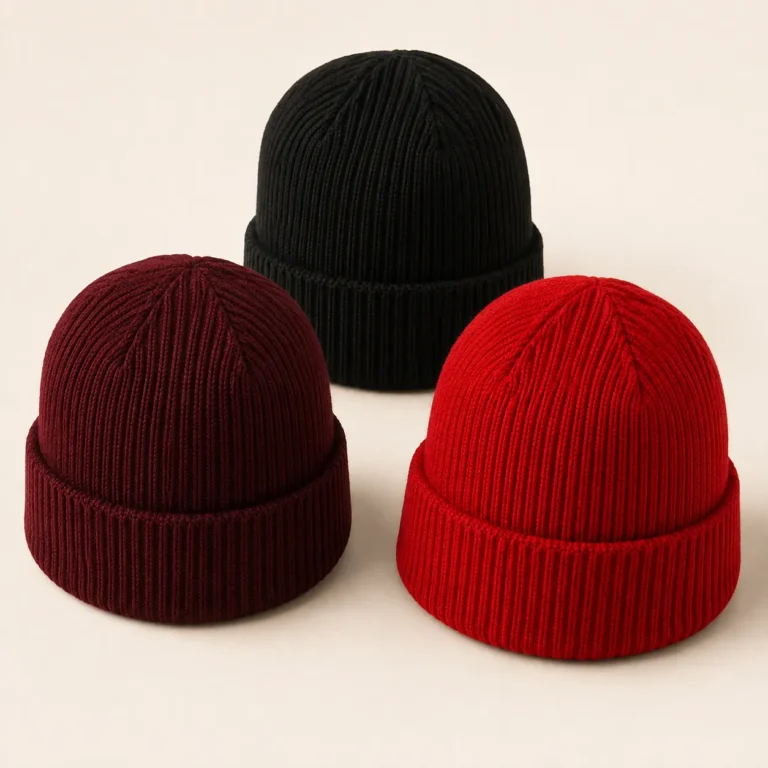
A custom beanie brief needs more than a colour and a logo. Yarn, knit structure, crown shaping and cuff proportions work together to determine how the hat looks and sits on the head. Begin with the intended silhouette, then review that complete combination on a sample.
Use the Wenext Caps beanie product page to discuss the proposed item. This custom beanie buying guide explains the choices to settle before approving a sample or requesting a detailed proposal.
Choose the silhouette and wearing position
Identify whether the beanie should sit close to the crown, leave extra height or have a longer slouch shape. Show the intended wearing position in a front and side reference. Include the inside where the crown join or a seam affects the review.
Distinguish a folded cuff from an uncuffed opening. Record the intended ear coverage and how the top should sit when worn. A flat photograph and a worn view answer different shape questions, so keep both with the sample reference.
Identify the yarn and knit construction
Ask for the proposed fibre composition, yarn reference, colour and knit structure. Use a swatch or sample to compare texture and the appearance of the stitches. If the brief includes a gauge or other technical description, agree what it describes with the maker.
CottonWorks’ single and double knit guide explains rib and other knit structures, including how yarn and construction relate to their character. Use the actual project specification and sample to settle the proposed beanie’s fabric and fit.
Make the cuff arrangement explicit
Show the number of folds, the visible cuff depth and whether the fold is intended to stay in a particular position. Identify the finished height with the cuff arranged as supplied. Keep the unfolded reference separate where it is needed for the specification.
Place a label or embroidered mark on that arrangement before approving it. Check that it remains correctly positioned and upright in the intended presentation. If the wearer can change the fold, discuss how that changes the visible graphic and the amount of crown above the head.
Agree how the measurements are taken
Record the finished height, opening and cuff measurements with their units and method. State whether an opening value is a flat width or another defined measurement. Identify the relaxed condition used when reviewing a knit sample so later versions can be compared consistently.
- Height: identify the crown point and lower edge used, with the cuff in the agreed position.
- Opening: name the measurement and the relaxed or other specified condition.
- Cuff: record the visible depth and fold arrangement.
- Fit: identify the wearer or fitting reference and intended wearing position.
Review the beanie on the intended fitting reference as well as measuring it flat. Assess how the opening and crown behave after the handling agreed for the sample review. A stretchable opening still needs an accepted fit range and sample reference.
Review crown shaping and the inside finish
Look at the crown joins, shaping and seam position on the complete hat. Check the inside where a join, lining or yarn detail affects appearance or comfort. Identify whether the proposed construction has one layer, a lining or another specified arrangement.
For stripes or knitted motifs, show how the design should meet the crown shaping and any join. Review both the visible face and the relevant inside areas. Keep a proposed pom or other added component identifiable by its material, size, position and attachment.
Sample the branding on the knit
Provide the artwork at its proposed finished size and show its location against the cuff or body. Distinguish embroidery, a separately attached label or patch, and a motif formed in the knit. Each method needs a sample that shows the intended result.
Check legibility, alignment and the surrounding surface in the relaxed and intended worn presentation. Include the inside finish where the application affects it. Keep the artwork, yarn or thread references and sample revision connected when discussing a change.
Connect colour and care decisions to the sample
Identify the physical colour reference or accepted yarn sample used for approval. Keep separate colourways identifiable, including any contrast cuff, stripe or branding. Discuss differences using the applicable reference and consistent viewing conditions.
Where care, dimensional change or another performance requirement matters to the brief, agree the applicable review and supporting evidence for the proposed item. Use the relevant care information when reviewing the sample. Keep the accepted result and product information with the material and construction references.
Approve the complete item and packing brief
List the proposed colour, size, knit, cuff and branding variations with their quantities. Identify labels, hangtags and packing requirements. Ask for minimums, included development work and timing against that breakdown.
Mark any temporary material or detail in the sample. Separate accepted features from open changes, then identify the complete version approved for the order. For a repeat, retain the yarn and construction references and ask for confirmation of proposed substitutions.
Compare other headwear shapes
The Custom Bucket Hat Guide covers a crown with an all-around brim. The Dad Hat Buying Guide covers a cap with a front visor and rear fit arrangement. Choose the construction that matches the intended use and appearance.
Common beanie buying questions
Does the same flat width mean the same fit?
Review the yarn, knit structure, crown proportions and measurement condition alongside the width. Confirm the intended fit on the relevant sample and fitting reference.
Can the logo be approved before the cuff?
A digital file can establish artwork details, but the finished cuff and knit determine its actual presentation. Identify which artwork points are accepted and which application details still need a sample.
What should I send for an initial enquiry?
Send silhouette references, yarn or texture direction, cuff arrangement, size requirements, artwork, quantities and destination. Add target timing and open development questions through Contact Wenext Caps.