
Custom Dad Hat Buying Guide
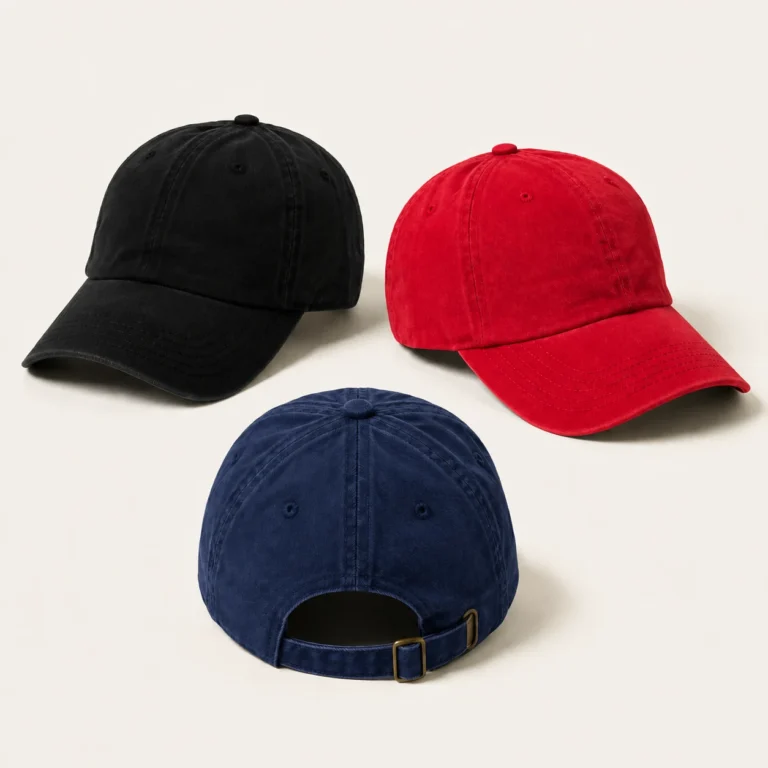
A dad hat brief should describe the shape and fit you want, as well as the logo. A relaxed front, curved visor and adjustable back are useful starting references, but they do not define the finished product by themselves. This custom dad hat buying guide helps you turn a visual idea into clear material, construction and sample decisions.
For a project discussion, use the Wenext Caps dad hat product page. Keep the product reference, artwork, quantity split and destination together so the supplier can identify what is confirmed and what still needs development.
Choose a silhouette with clear reference views
Start with front, side and rear views of a reference cap. Mark the features you want to retain: the front profile, crown depth, panel proportions, rear opening and visor relationship. Explain any features you want changed rather than asking the supplier to copy every detail in a photograph.
Confirm the intended front support and inside construction. A softly resting crown and a cap arranged on a display form can look different. Agree the presentation used for sample review, including the closure setting and reference wearer or form where relevant.
Specify the fabric and finished appearance separately
Identify the proposed material through a swatch or supplier reference, with the relevant composition and construction details recorded. A photo can communicate texture and color direction, but it does not prove fiber content or establish how the material will feel in the finished cap.
Decide whether the intended appearance is clean, softly finished, faded or deliberately distressed. If a washed look is required, use the Washed Cap Buying Guide to define the finish reference and accepted variation. Keep that appearance approval connected to the actual material and sample version.
For specific material directions, use the organic-cotton sourcing checklist to define fibre and claim scope, or the corduroy panel-direction review to record ribs and pile appearance. Keep those findings linked to the actual dad hat material and sample.
Agree how adjustable fit will be reviewed
Name the closure type and actual component proposed. Record the reference setting used for fit review, the intended wearer range and the points of measurement that matter for the design. Avoid relying on “one size” as the complete sizing specification.
Review how the crown sits, the position around the ears, the rear opening and the adjustment in use. Check the inside contact areas and strap handling on the assembled sample. If the fit needs a change, describe the location and effect rather than asking for the whole cap to be “more comfortable” without further direction.
Set the visor and closure details
Record the supplied visor curve, shape and relevant dimensions using an agreed measurement method. Include stitching and edge details where they are part of the design. Distinguish the shape expected out of the pack from any later styling used for retail photography.
For a buckle strap or another adjustable closure, identify its material direction, color, attachment and intended finish. Review the actual proposed component. A reference image of a metal buckle is not evidence of a particular coating, durability result or compatibility with a finishing process.
Prepare branding for the actual cap construction
Send clear artwork with the intended application method, finished dimensions, placement and color references. Mark whether a logo sits over a seam or close to another construction feature. Keep front, side and rear applications identifiable so a proof for one position cannot be mistaken for approval of another.
For embroidery, ask for a representative trial on the relevant fabric and support combination. Madeira’s embroidery backing guidance explains why fabric and design affect support selection. The finished cap sample should show the logo, surrounding panel and inside result; a screen artwork proof covers a different question.
For a leather or leather-look badge, the leather patch material and care review helps define the supplied component, accepted surface variation and care questions. Check it on the soft dad hat crown before accepting stiffness, placement and attachment.
The flat embroidery detail review covers actual-size lettering, open spaces, registration and the reverse on the soft crown. For a broader range, the logo collection adaptation checklist keeps each headwear style connected to its own accepted interpretation of the mark.
Define inside labels and retail presentation
List the sewn labels, seam tape, hangtags, stickers and packing components actually required. Give each artwork file a version and connect item-specific information to the correct colorway. Confirm who supplies and approves the product information for the intended market.
Keep temporary trims visible in the sample record. If a label or decoration is attached before a finishing stage, review its relevant finished result. Do not assume that a complete brand package has been approved because the front logo looks correct.
Approve a sample with a stated purpose
Agree the development stages and the decision each sample needs to answer. An early shape sample may use provisional components; a final approval should identify the actual versions it covers. Keep the accepted sample, specification and dated comments linked through a common reference.
- Shape and fit: crown profile, visor, worn position and closure setting.
- Materials and appearance: identifiable fabric, color and any finish reference.
- Branding: artwork version, application, placement and inside result.
- Trims: actual labels, closure and other specified components.
- Presentation: packed arrangement and the intended condition after unpacking.
- Open decisions: provisional details and the evidence needed to close them.
Use the Dad Hat Sampling Guide for a more detailed development checklist. State the scope of an approval rather than relying on an unqualified “approved” message.
Plan quantities and repeat orders by item
List the quantity for each colorway, artwork version and other relevant variation. Confirm the proposed minimums, development charges, packing scope and production timing with the supplier. Keep assumptions visible when a material or component is still being reviewed.
For a reorder, retain the final specification and physical references where needed. Confirm any proposed change to fabric, trims, decoration or packing before extending the previous approval. An unchanged style name does not describe every component in a repeat order.
Related planning resources
Use these focused checklists for the decisions that need more detail in your dad hat project.
Design and materials
- Annotated references and item variations
- Cotton fabric identity and swatch selection
- Denim shade, material and sample evidence
Crown shape, fit and sample approval
- Low-profile fit review and closure setup
- Washed dad hat shape and adjustable fit
- Fit references across a wholesale assortment
- Sample brief and approval stages
Logos and repeat decoration
- Logo methods, artwork and placement
- Embroidery trials and inside finish
- Embroidery reorder versions and sample continuity
Private labels and retail files
Collections and bulk planning
Production, packing and blank caps
- Production handoffs and work records
- Assortments, carton contents and receiving records
- Blank-cap approval and later decoration review
Supplier and enquiry review
Compare related cap decisions
The Baseball Cap Buying Guide covers broader construction choices. A washed appearance is a separate finish decision covered in the Washed Cap Buying Guide. Select the combination that fits the brief and approve it on its own sample evidence.
Common dad hat buying questions
Does “dad hat” define a universal size or pattern?
No single style name replaces a fit and construction specification. Agree the intended silhouette, measurements, reference setup and adjustment requirements for the actual design.
Can a logo be approved from artwork alone?
Artwork can approve the graphic direction and stated dimensions. Use the appropriate decorated sample to assess its appearance and application on the intended cap construction.
What should I send for an initial enquiry?
Send reference views, the intended fabric and finish direction, closure, artwork, label needs and quantities by item. Add the destination and timing through Contact Wenext Caps so the proposed scope and unresolved development inputs can be reviewed.