
Bulk dad hat planning starts with the item split and the decisions that must be closed before production. A total quantity and a desired arrival date do not show whether the fabric, logo, trims and packing have been approved. A practical order plan connects those inputs to identifiable milestones.
Use the Custom Dad Hat Buying Guide for the product decisions and the dad hat product page to discuss a project. This checklist focuses on quantities, dependencies and the information needed for a realistic proposed schedule.
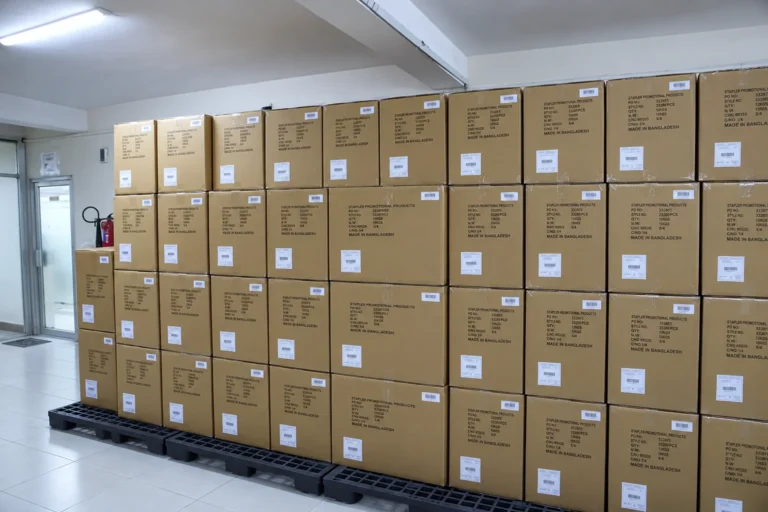
Break the total into identifiable items
List the quantity for each style, colorway, logo version and relevant packing variation. Keep destination splits visible where they affect the order. If two caps share construction but use different labels or artwork, identify those differences in the item list.
Ask the supplier to confirm the proposed minimums and any assumptions arising from separate fabrics, colors, applications or trims. A collection total should not be treated as proof that every item combination meets the proposed order basis.
Identify which inputs are ready
Mark the status of the product brief, material references, artwork, closure, labels and packing instructions. Separate confirmed details from proposals and provisional components. Assign a responsible party to each unresolved input.
The dad hat design brief helps organize the shared construction and item-specific details. Keep one current revision available so a proposed schedule does not rely on a superseded design.
Agree milestones with clear completion evidence
- Brief review: the proposed scope and open questions are identified.
- Sample review: the actual version and its approval scope are recorded.
- Component confirmation: relevant material, artwork and trim references are released.
- Production handoff: the accepted version and item quantities are connected.
- Packing release: final quantities and carton allocation are reconciled.
The exact stages depend on the project. Ask what must be true before each proposed period begins and which inputs can proceed in parallel. A calendar date without its dependencies can give a misleading impression of readiness.
Keep sample work distinct from bulk approval
Identify the proposed sample stages, charges and handling of revisions. Ask which item combinations the samples will cover and what remains provisional. A development sample may answer a shape question while leaving a material or logo detail open.
Use the Dad Hat Sampling Guide to record those limits. Confirm the required approvals before the affected bulk work is treated as released.
Confirm component quantities and commitments
Connect the required trim and material quantities to the accepted item list. Ask the supplier to identify any proposed additional quantities, component minimums or buyer-supplied items separately. Keep the treatment of unused components explicit where it matters to the order.
Use the trim release checklist for artwork and component versions. If the item split changes after components have been arranged, review the affected quantities and proposed next steps before updating the plan.
Separate production timing from shipment and arrival
Ask which date the supplier is proposing: completion of production, packing release, dispatch or another named event. Keep transport planning and the buyer’s desired receiving date in their own fields. Resolve dependencies with the parties handling those stages.
Where a delivery rule is used, record the agreed rule, named place or port and intended version. ICC provides the official Incoterms information for the rules’ delivery responsibilities, costs and risks. Keep the actual order agreement and schedule clear alongside that reference.
Handle quantity or design changes through one revision
Identify the affected items, requested change and current work status. Ask the supplier to explain any implications for materials, sample checks, price or timing. Keep accepted and proposed changes distinguishable until the revised scope is agreed.
The production handoff checklist helps connect the released version to the work records. A changed collection total should not silently overwrite the approved item mapping.
Reconcile the final packed allocation
Keep ordered, packed and agreed balance quantities separate. Compare item totals with the carton contents and identify any held work outside the released shipment. Use the wholesale assortment checklist for the receiving handoff.
Retain the final allocation and current approval references for the next order. A repeat plan can then distinguish an unchanged item from a revised colorway, logo or packing requirement.
Common bulk order planning questions
Does a total quantity establish the minimum for every color?
Ask the supplier to confirm the proposed basis by item and component. Separate material, artwork and trim assumptions where they affect the plan.
When does the proposed production period start?
Identify the required inputs and the event used as the starting point in the actual proposal. Keep that event distinct from the buyer’s desired arrival date.
What should accompany a bulk enquiry?
Send the item quantities, product and artwork references, trim needs, packing split and destination. Add the desired timing through Contact Wenext Caps so the proposed milestones and unresolved inputs can be reviewed.