
A wholesale dad hat order needs an assortment that can be identified at every handoff. A collection total does not show how many caps belong to each color, logo or retail presentation. Clear item records help the supplier pack the intended range and help the receiving team describe any difference precisely.
Use the Custom Dad Hat Buying Guide for the cap specification and the dad hat product page to discuss the project. This checklist focuses on the connection between item codes, quantities, carton contents and receiving records.
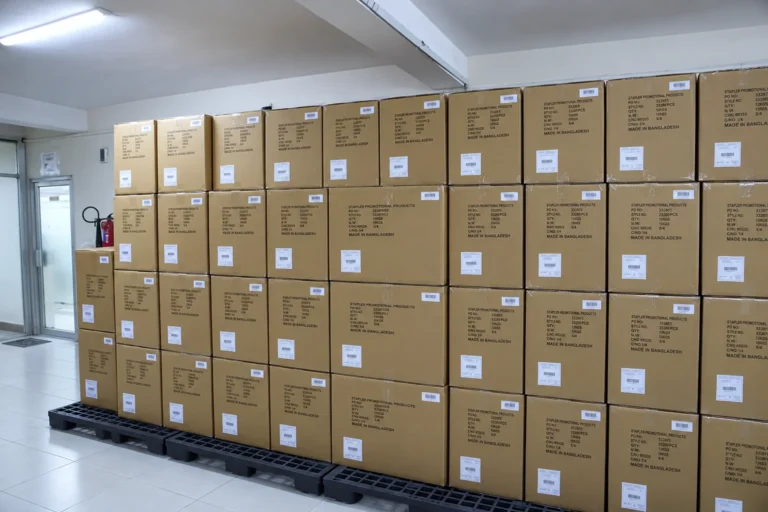
Define what makes one item different from another
Give each relevant style, colorway, decoration version and packing variation a clear reference. If the same cap is supplied with two different hangtags or destination labels, identify that distinction in the item list. Avoid grouping them under a single vague description.
Keep the commercial color name connected to the physical or sample reference used for approval. “Navy” can be a useful retail name, but the receiving team also needs a way to identify the intended version. The dad hat design brief explains how shared construction and item differences fit together.
Keep ordered, packed and balance quantities separate
Start with the requested quantity per item, then confirm the accepted order split. When packing is finalized, record the actual packed quantity separately. Keep any agreed difference or balance visible instead of changing the original order column without explanation.
Check the supplier’s proposed minimums and component assumptions during quotation. A collection total alone does not establish that every color or trim combination meets the proposed order basis.
Use a short assortment record
| Field | What it identifies | Use at handoff |
|---|---|---|
| Item reference | One approved cap and presentation combination | Connects product and packing records |
| Quantity fields | Ordered, packed and agreed balance quantities | Makes changes visible |
| Carton allocation | Carton reference and contents by item | Supports receiving reconciliation |
| Approval version | Released sample, artwork and trim references | Distinguishes current and earlier designs |
Add the buyer-specific fields actually needed. A longer spreadsheet is not automatically clearer if several columns repeat the same information under different names.
Agree single-item or mixed-carton packing
State whether each carton contains one item or a specified mix. For mixed cartons, show the quantity of each item and how the contents are identified. Confirm inner packs and any retail components that need to remain associated with a particular cap.
Review a packing example where presentation matters. Confirm the intended crown and visor condition on unpacking, as well as the item identification. A tidy outside label cannot establish the condition or contents of every carton.
Distinguish internal codes from required logistics identifiers
Keep the supplier’s style code, the buyer’s item code and any required retail or logistics identifier in separate fields. Confirm the mapping and responsible party before the label artwork is released.
GS1’s logistic label guideline is the primary reference when a buyer requires a GS1 logistic label. Follow the applicable buyer implementation rather than presenting an internal carton number as an SSCC. A product identifier and a logistic-unit identifier have different purposes.
Check the final allocation against the packed goods
Reconcile the per-item totals, carton references and contents records. Keep held goods outside the released quantity until their status is resolved. If an assortment changes, update the affected packing list and labels under a clear revision.
For private label components, use the dad hat trim release checklist so the correct artwork and item-specific labels follow the packed allocation.
Give receiving staff the right references
Provide the final packing allocation and the agreed product references through the buyer’s established handoff process. Ask receiving staff to record the carton reference, item code, observed quantity and relevant photographs when reporting a difference.
Separate a quantity issue from a product-approval issue. A missing item, an incorrect logo and an appearance concern need different evidence. Keep the description specific enough for the buyer and supplier to trace the affected goods.
Common wholesale assortment questions
Can several colors share a carton?
Agree the mix and its identification with the receiving team. Record each item’s quantity rather than relying on “assorted colors” as the complete contents description.
Can the same style code cover different logos?
Use a system that identifies the actual sellable combination clearly. If a shared base style code is retained, keep the logo or item variation explicit in the mapping.
What should accompany an assortment enquiry?
Send the cap references, item list, quantities, branding and proposed packing split. Add the destination and receiving instructions through Contact Wenext Caps to review the proposed order scope.