
A useful custom dad hat design brief separates the cap you want from the decisions you still need help making. A reference photograph may show the right shape but the wrong fabric, logo or closure. Marking those differences gives the sample team a clearer starting point than asking for “something similar.”
Use the Custom Dad Hat Buying Guide to review the main product choices. This article helps organize them into one development file. For a project enquiry, start with the dad hat product page.
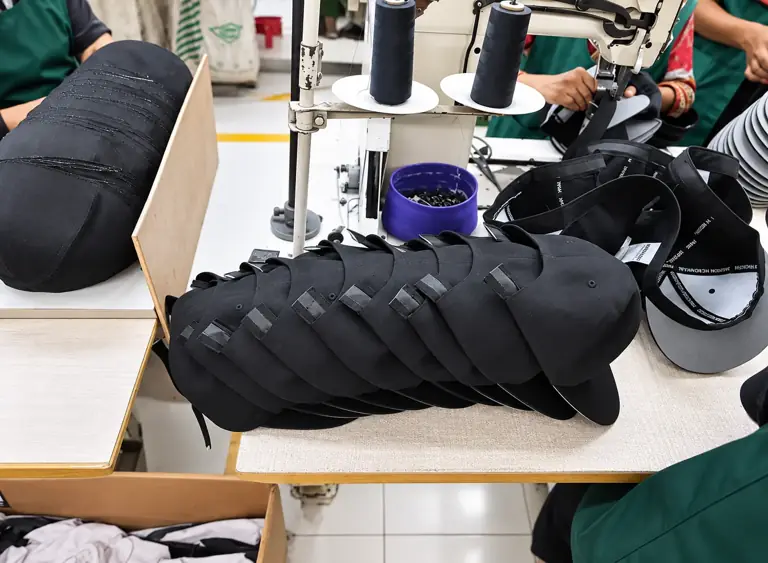
Begin with annotated references
Include front, side, rear and inside views where they explain a requirement. Give each reference a name and state what it controls. One cap might demonstrate the crown shape while a separate swatch communicates the desired fabric direction.
Mark unwanted features too. If you want the reference cap’s profile but a different visor curve or rear opening, say so beside the image. This helps prevent a useful visual reference from becoming an accidental instruction to copy the complete product.
Write the shared construction once
Describe the features common to the proposed style: panel arrangement, front support, crown profile, visor shape, sweatband and closure type. Add relevant dimensions with units and an agreed measurement method. Keep a fit reference or intended wearer range alongside those details.
A style name such as “low profile” leaves some interpretation open. Show the shape and wearing position that you mean. If you do not yet have a measurement specification, ask the supplier to identify the proposed reference and the points that need confirmation.
Identify materials without relying on appearance alone
Name the fabric swatch or supplier reference, and request the relevant composition and construction details. Keep the target color and any finish direction in separate fields. A blue photograph, a soft-looking surface and the word “cotton” do not describe the same property.
CottonWorks’ woven fabric design reference explains weave structures, including plain and twill. Use the appropriate material description in the brief, then assess the selected fabric on the actual cap. A weave name alone does not establish the finished hand feel, fit or performance.
Put item-specific differences in a clear list
Keep each proposed colorway or branding combination identifiable. List the fabric color reference, decoration version, closure color, label package and quantity for that item. Do not hide a different material inside a column that appears to describe only a color change.
For example, two items may share a crown and visor while using different thread colors. A third item may also change the fabric or closure. The brief should show that third difference explicitly so its development and quotation can be reviewed on the correct basis.
Use the colorway and artwork planning checklist when the range contains several combinations. The same principle applies to a clean-finish range: a shared style still needs clear item mappings.
Attach a usable decoration brief
Provide the selected artwork revision, intended method, finished dimensions, colors and marked position. Separate front, side and rear applications. If you want the supplier to propose a method, explain the visual effect and the details that must remain recognizable.
The custom logo dad hat checklist covers those inputs. Keep the approved graphic separate from a decorated sample approval; the sample shows how the application sits on the chosen construction.
Mark open questions before requesting a sample
- Confirmed: details supported by an agreed reference or specification.
- Proposed: supplier suggestions awaiting review.
- Provisional: temporary components used for a stated sample purpose.
- Missing: information still needed from the responsible party.
These labels are more useful than leaving blanks that might be interpreted as permission to use a standard component. Ask the supplier to flag any assumption that affects shape, appearance, price or development timing.
Release one brief for each sample round
Give the file a revision and date, and keep the sample ID connected to it. Write changes against the previous version so the sample team can see both the requested adjustment and the details that should remain accepted.
The Dad Hat Sampling Guide explains how to state the purpose of a sample and close comments. When a final design is accepted, retain the released brief and physical references needed for the production handoff.
Common design brief questions
Can I start with photographs instead of a full technical file?
Photographs can start the discussion. Mark the features they control, identify what needs a proposal and agree the additional material, measurement and artwork information required for sampling.
Should every colorway have a separate full document?
A shared construction brief with a clear item-specific list can avoid repetition. Make exceptions explicit and keep each item’s material, decoration and trim references identifiable.
What should I send for the first review?
Send annotated reference views, available swatches, artwork, closure preferences, item quantities and destination. Use Contact Wenext Caps to discuss the proposed design and unresolved inputs together.