
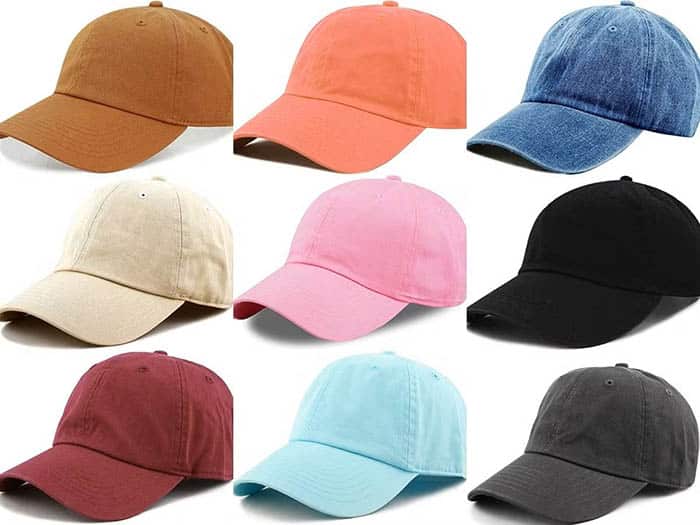
Top 10 Secrets of a High-Quality Washed Caps Exporter That Guarantee Premium Global Headwear Orders
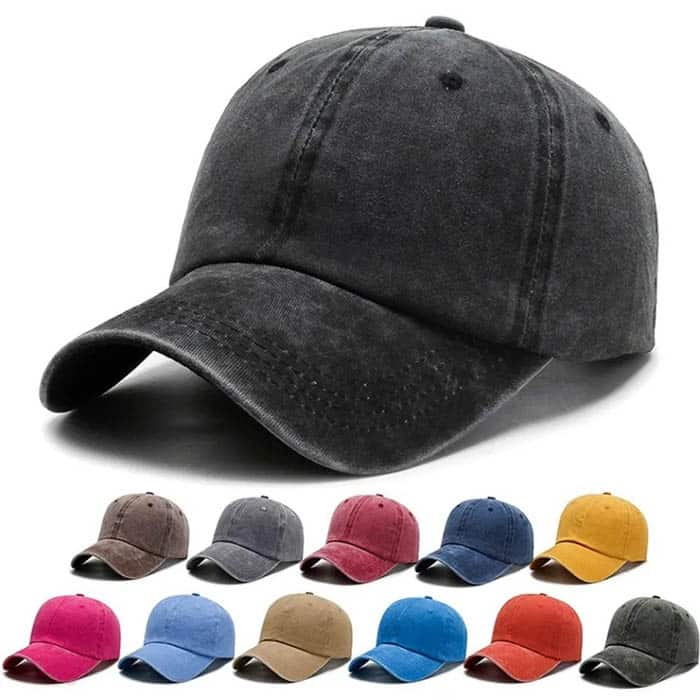
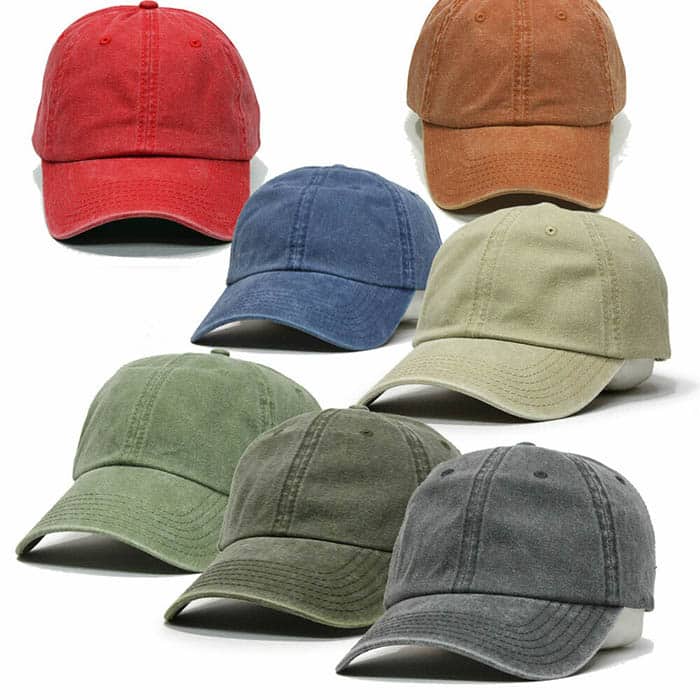
The global fashion and streetwear industry is evolving at a breakneck pace, and headwear has secured its position as a multi-billion-dollar staple. Among various headwear styles, washed caps—known for their vintage look, soft texture, and lived-in comfort—are experiencing an unprecedented surge in demand across North America, Europe, and Australia. For international clothing brands, sourcing agents, and wholesale distributors, finding a certified, high-quality washed caps exporter is the ultimate game-changer to maximize profit margins and ensure customer loyalty.
However, the manufacturing landscape is crowded. Many factories promise premium quality but deliver inconsistent fits, bleeding dyes, or sub-par embroidery. To help your apparel brand navigate this complex supply chain, we are pulling back the curtain on what makes an elite manufacturing hub stand out. As a premier destination for custom apparel development, WeNext Caps combines world-class craftsmanship with cutting-edge production lines to serve as your strategic growth partner.
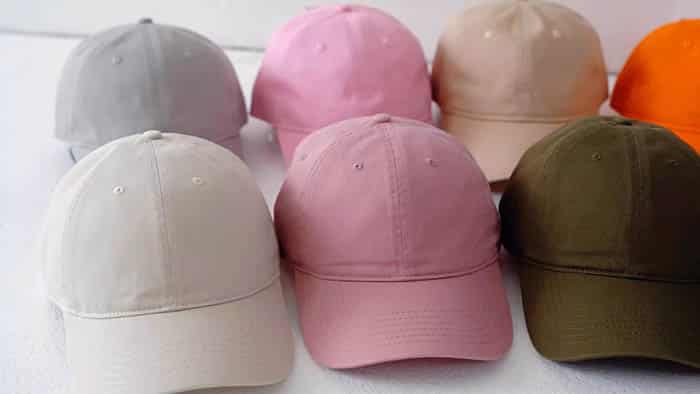
1. The Anatomy of Premium Washed Caps: Fabric & Material Selection
A superior washed cap does not begin at the washing plant; it begins at the fabric inspection table. The vintage, distressed aesthetic that consumers love relies entirely on how the underlying fibers react to intense mechanical and chemical washing processes.
100% Premium Twill Cotton
Cheap manufacturers often substitute pure cotton with low-grade synthetic blends to cut corners. However, a top-tier high-quality washed caps exporter utilizes 100% long-staple combed cotton twill. Combed cotton undergoes a meticulous combing process that removes short fibers and impurities, leaving behind only the strongest, silkiest strands. This guarantees that when the finished cap undergoes heavy stone washing, the fabric develops a beautiful, authentic fade without compromising its structural integrity or tearing at the seams.
Heavyweight vs. Lightweight Twill
Depending on your target demographic, the fabric weight must be strategically chosen.
-
Heavyweight Cotton Twill (280–320 GSM): Perfect for structured or semi-structured winter and streetwear collections requiring a rugged, premium weight.
-
Chino Cotton Twill (200–240 GSM): Ideal for classic, unstructured “dad hats” that prioritize breathability, flexibility, and a lightweight feel for summer or sports lines.
2. Master Class in Cap Industrial Washing Techniques
The magic of a washed cap lies in its unique color gradients and unmatched softness. Achieving this look consistently across thousands of bulk units requires sophisticated industrial laundry machinery and scientific precision.
-
Stone Washing: Authentic distressed look, softened fibers, subtle edge wearing. Best suited for vintage streetwear and dad hats.
-
Enzyme Washing: Uniform color fading, incredibly smooth surface touch, eco-friendly. Ideal for premium minimalist collections.
-
Acid / Bleach Washing: High-contrast marble patterns, bold retro 90s appearance. Perfect for avant-garde fashion and festival merch.
An elite exporter utilizes advanced, programmable industrial washers where water temperature, enzyme concentrations, and cycle times are electronically regulated. This eliminates the risk of “batch variation,” ensuring that the cap sample approved in your showroom matches the 50,000 units delivered to your distribution center.
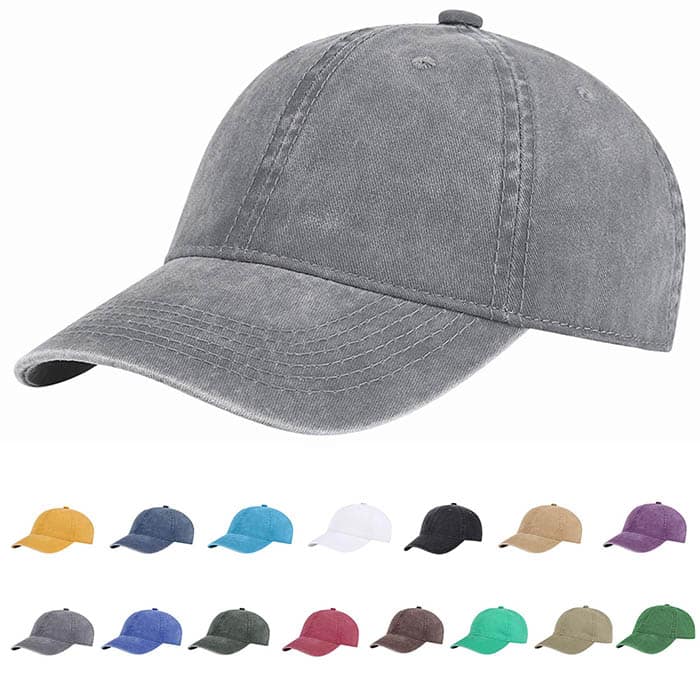
3. Structural Integrity: Precision Panels, Stitching, and Backings
A cap can have the most beautiful wash in the world, but if it sits awkwardly on the wearer’s head, it will never leave the retail shelf. Pattern making and panel alignment are where true engineering meets fashion.
The Perfect Unstructured Silhouette
Most washed caps are unstructured, meaning they lack the stiff buckram mesh backing found in traditional snapbacks. Without buckram, the cap relies entirely on the precise curvature of its six panels to wrap naturally around the human skull. Advanced exporters utilize automated computer-aided design (CAD) cutting systems to ensure every panel is cut to the exact millimeter, preventing asymmetric bundling or puckering.
High-Density Stitching Standards
When fabrics are subjected to rigorous washing cycles, weak seams immediately unravel. A professional manufacturer enforces a strict minimum of 7 to 8 stitches per inch (SPI) using high-tensile, color-matched polyester-cotton core-spun threads. Double-needle tracking on the sweatband and taped interior seams are mandatory benchmarks to ensure the product survives years of daily wear and machine washing.
4. Advanced Customization: Embroidery, Prints, and Appliques
For a brand to stand out in a crowded marketplace, its logo must be executed flawlessly. When exporting high-quality washed caps, the branding must be applied before or after the washing phase depending on the desired outcome, a technical detail that inexperienced factories often miscalculate.
3D Raised and Flat Embroidery
Using Japanese-engineered Tajima or Barudan automated embroidery machines ensures that complex logos are rendered with absolute crispness.
-
Pre-Wash Embroidery: Applying the embroidery before the cap is washed allows the threads to take on a slightly weathered, vintage patina that perfectly matches the faded fabric.
-
Post-Wash Embroidery: Applied after washing to keep the brand logo looking exceptionally vibrant, bright, and sharp against the weathered background.
Premium Hardware Closures
The closure system at the back of the cap speaks volumes about its overall quality. An elite high-quality washed caps exporter offers custom-branded metal buckles, antique brass sliders with tuck-in fabric straps, premium leather straps, or heavy-duty plastic snapbacks. All metallic hardware must undergo anti-rust plating treatments so they do not stain the fabric during the wet washing production phase.
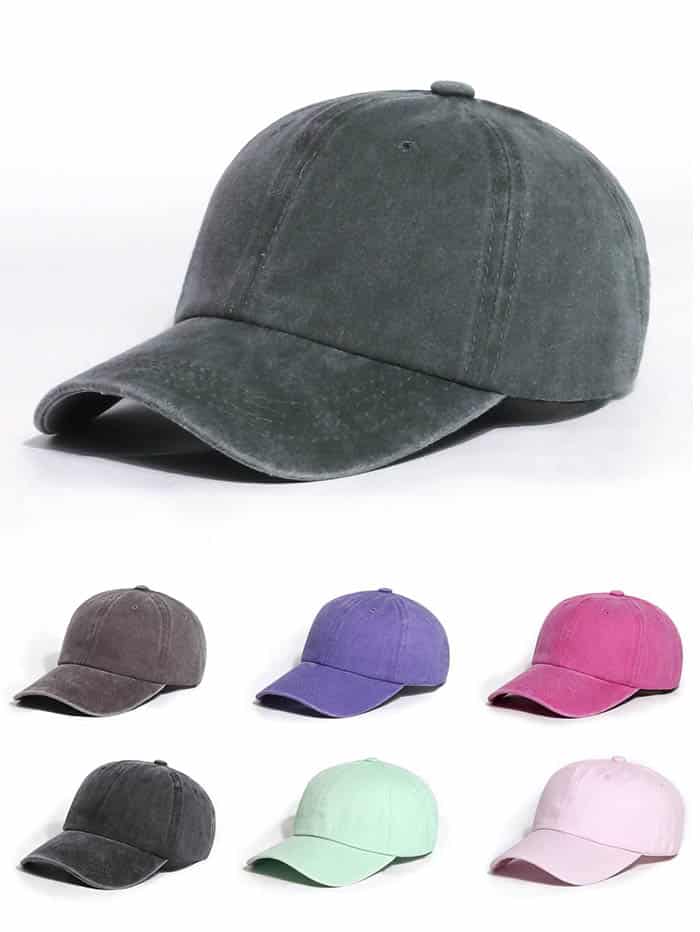
5. Why Global Brands are Sourcing Washed Caps from Bangladesh
The global apparel manufacturing landscape has shifted dramatically, and Bangladesh has emerged as the undisputed powerhouse for high-end headwear production. While competing regions face rising labor shortages and escalating overhead costs, Bangladesh offers an optimized ecosystem for international clothing lines.
Vertical Integration and Economics
Bangladesh’s headwear sector benefits heavily from massive domestic textile mills, meaning raw cotton, yarn dyeing, and weaving are done locally. This vertical integration reduces dependency on material imports, slashes lead times, and offers unbeatable FOB prices without lowering quality standards. Furthermore, Bangladesh enjoys favorable trade agreements and duty-free access to major global markets including the European Union, UK, Canada, and parts of Asia, instantly saving international buyers up to 12% in import tariffs.
World-Class Compliance and Green Factories
The modern consumer demands ethical production. Bangladesh leads the global apparel index with the highest number of LEED-certified green factories in the world. Leading exporters prioritize human rights, fair wages, structural building safety, and comprehensive environmental waste management, allowing your brand to proudly showcase ethical sourcing on its labels.
6. Sustainable Production: Eco-Friendly Washing and Chemicals
As environmental regulations tighten globally, sustainable manufacturing is no longer optional—it is a critical requirement for market access. The traditional industrial washing process is notorious for its heavy water and chemical consumption. To mitigate this, visionary exporters are heavily investing in green technology.
Ozone and Laser Distressing Technologies
By incorporating Ozone gas injection systems into the washing chambers, factories can bleach and fade denim and cotton caps using up to 60% less water and zero harsh chemicals. The ozone naturally bleaches the fabric and safely reverts back into pure oxygen before being discharged. Similarly, laser engraving machines can simulate worn-out, distressed brims and edge abrasions with absolute precision, eliminating the need for abrasive pumice stones that generate chemical sludge.
Certified Safe Dyes (OEKO-TEX Standard 100)
Premium exported headwear must be completely free from harmful azo dyes, heavy metals, and formaldehyde. Ensuring compliance with OEKO-TEX Standard 100 and REACH regulations guarantees that the finished product is entirely safe for skin contact, protecting your brand from costly legal liabilities and product recalls in strict western markets.
7. Rigorous Quality Control (QC) and the AQL 2.5 Standard
Maintaining zero-defect consistency across massive bulk shipments requires a multi-tiered quality assurance framework that monitors every stage of production from input to container loading. as High-Quality Washed Caps Exporter
An esteemed high-quality washed caps exporter implements a strict Acceptable Quality Limit (AQL 2.5) inspection system. Independent QC teams audit the caps at multiple checkpoints:
-
Fabric Shade Sorting: Cotton fabric lots are carefully sorted under standardized D65 light booths to eliminate color shading variations before cutting.
-
Sizing and Shrinkage Audits: Because washing causes natural fabric shrinkage, every batch is checked against master metal molds to verify that the final hat circumference matches standard adult sizes (typically 58cm) perfectly.
-
Metal Detection Pass: Every single cap passes through a high-sensitivity conveyorized metal detector to ensure no broken sewing needle fragments remain embedded inside the brims or sweatbands, guaranteeing absolute consumer safety.
8. Streamlined Supply Chain Logistics and Global Distribution
A beautiful product is useless if it arrives late for your peak seasonal product drop. Navigating international freight, customs clearance, and port logistics requires seasoned operational expertise.
Strategic Location and Port Proximity
Elite manufacturers maintain sophisticated logistics networks connecting production centers smoothly to major shipping terminals like the Chattogram Seaport or Hazrat Shahjalal International Airport in Dhaka. Whether your distribution model requires cost-effective ocean freight (FCL/LCL) for massive seasonal inventory or expedited air freight for high-demand restocks, a professional exporter provides transparent tracking and flawless documentation (Bill of Lading, Certificate of Origin, GSP forms) to guarantee hassle-free customs clearance at your destination port.
9. Understanding the Competitor Landscape: How We Outperform the Rest
While these competitors focus primarily on traditional, rigid OEM mass production patterns, WeNext Caps differentiates itself through unparalleled agility and technical innovation:
-
Hyper-Customization with Lower MOQs: We enable emerging premium brands to access elite-grade washed styles without forcing them into massive financial commitments.
-
Advanced Eco-Washing Technology: While others rely on older, water-heavy chemical methods, we integrate modern ozone and laser fading to protect the environment and provide a softer feel.
-
Proactive Trend R&D: We don’t just take orders; our design team actively creates and shares innovative material concepts, helping our partners stay ahead of consumer demands.
10. Partnering with WeNext Caps: Step-by-Step Brand Onboarding
Launching your next premium headwear line with us is structured to be seamless, collaborative, and entirely stress-free.
Step 1: Tech Pack and Design Consultation
You provide your design vector files, color references (Pantone), and structural preferences. Don’t have a fully realized tech pack? Our in-house design engineering team can translate your rough sketches or physical reference samples into digital factory-ready Blueprints. high-quality washed caps exporter
Step 2: Prototype Development and Sample Approval
We construct physical pre-production samples using your exact choice of fabrics, embroidery parameters, and wash preferences. This sample is shipped directly to your office for comprehensive fit testing, fabric evaluation, and tactile approval.
Step 3: Bulk Execution and Scheduled Delivery
Upon your official sign-off on the prototype, we initiate raw material procurement, cutting, automated embroidery, assembly, eco-washing, multi-stage QC checking, and precise moisture-controlled bulk packaging. Your dedicated account manager provides real-time photographic and video updates throughout the manufacturing cycle, ensuring full transparency until the container arrives safely at your warehouse door.
Frequently Asked Questions (FAQs)
What is the typical Minimum Order Quantity (MOQ) for high-quality washed caps?
While standard mass-production factories require massive volumes, WeNext Caps offers flexible MOQ structures depending on the complexity of the wash and fabric selection. Generally, our bulk lines start around 500 to 1,000 units per style/colorway, allowing brands to manage inventory risk effectively. high-quality washed caps exporter
Can you match specific Pantone shades for washed and distressed headwear?
Yes. However, it is vital to note that industrial stone and enzyme washing naturally lightens and alters the base fabric color. Our chemical engineers utilize precision calibration curves to dye the initial raw fabric a few shades darker, ensuring that once the intense washing cycle concludes, the final faded hat aligns beautifully with your intended target palette.
How long does the entire production and shipping cycle take?
Sample development typically ranges from 7 to 10 working days. Once the pre-production sample receives your formal authorization, bulk manufacturing generally spans 30 to 45 days, depending on our current factory floor capacity and the overall order volume. Ocean transit times vary by destination country, typically taking 20 to 35 days.
Are your factory facilities open for international third-party compliance audits?
Absolutely. We welcome and encourage comprehensive onsite facility inspections and independent third-party audits (such as SGS, Intertek, or Bureau Veritas) arranged by our clients. We take massive pride in maintaining impeccable workplace safety, fair wages, transparent management, and pristine environmental practices. high-quality washed caps exporter
Elevate Your Brand with the Ultimate Headwear Partner
In the highly competitive world of apparel retail, the quality of your products dictates the trajectory of your brand’s growth. Sourcing your headwear inventory from an unverified middleman or a subpar factory leads to inconsistent fitting, messy branding, late deliveries, and negative customer reviews.
By aligning your enterprise with an established, high-quality washed caps exporter like WeNext Caps, you secure access to a world-class manufacturing asset. From meticulous fabric combing to advanced, eco-conscious industrial wash processing and rigorous AQL 2.5 quality control frameworks, we handle the heavy lifting of production so you can focus entirely on scaling your marketing and retail distribution network.
Don’t let subpar production hold back your brand’s market potential. Contact our international sales team today to request a custom quote, review our expansive material catalog, or schedule the development of your next bestselling custom-washed headwear prototype. Let’s build something extraordinary together. high-quality washed caps exporter