
Denim dad hats need a material reference and a finished-cap reference that can be connected. A blue color, a faded seam or a worn visor edge may help communicate the desired appearance, but those features do not establish the actual fabric specification. Begin by identifying the proposed material, then review its shade and shape on the assembled cap.
Use the Custom Dad Hat Buying Guide for the overall cap decisions and the dad hat product page for a project enquiry. This checklist focuses on denim material identity, visible contrast and the sample evidence needed for approval.
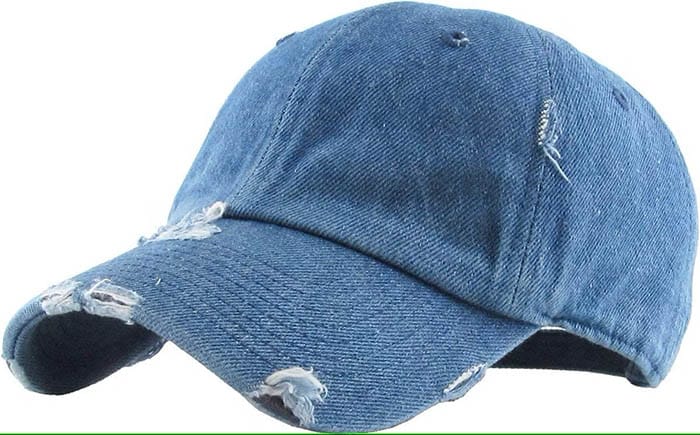
Identify the material before approving the look
Ask for the proposed fabric reference and relevant composition, construction and weight information. Keep the supplier’s description with the swatch or sample ID. If alternatives are offered, record each one separately rather than treating every blue cloth as the same material.
A fabric swatch can establish a useful starting point, while the complete cap shows the interaction with seams, visor, support and closure. Keep the starting material and finished references distinct so their approval purposes remain clear.
Describe the desired shade and seam contrast
Record the overall color direction and the local features that matter: seam highlights, panel variation, visor appearance or deliberately worn details. Show which references control each feature. A buyer may want the shape of one cap and the surface appearance of another.
If an intentionally varied appearance is proposed, agree how the target and accepted range will be demonstrated. Keep a range reference tied to the relevant feature rather than using it as a general acceptance of any visible difference.
Specify stitching and intentional distressed details
Identify the desired stitch color and visible layout where they are part of the design. Review the contrast with the actual fabric and finish. Mark any intentional abrasion or frayed area by location and extent so it remains distinguishable from an unapproved defect.
The distressed detail checklist provides a focused way to record locations and limits. Keep those appearance decisions separate from the material identity and product fit.
Review the finished crown and visor together
Use consistent front, side and rear views of the actual cap. Check the intended crown profile, panel balance, visor curve and closure in the agreed presentation state. Identify any provisional component before treating the sample as a final reference.
The low-profile fit checklist helps record wearing position and adjustment setup. When a material or finishing proposal changes, ask which shape and fit checks need to be repeated.
Plan color-transfer evidence where required
If the project has a color-transfer requirement, agree the relevant test, sample condition and acceptance criteria with the responsible technical party. Identify which material or product version the report needs to represent.
AATCC’s public TM8 summary concerns color transfer caused by rubbing, with dry and wet procedures. It also notes that treatments can affect the result. Use the appropriate scope for the question being asked; a visual shade approval does not provide a color-transfer test result.
Keep any report tied to the identifiable sample and stated conditions. Record the actual agreed criterion, reported result and review decision with the order references.
Approve decoration on the relevant combination
Connect the logo method, artwork dimensions, position and colors to the intended fabric and finished appearance. If the design includes embroidery, review the stitched result, surrounding panel and inside finish on the relevant sample.
Use the embroidered dad hat review checklist for that application. A proof or trial on a different cloth should retain its stated limitations until the actual combination has been assessed.
Keep a complete final reference set
- Accepted fabric identity and relevant specification.
- Finished cap sample, date and revision.
- Controlling shade and surface-appearance references.
- Intentional detail locations and accepted limits.
- Fit, decoration and trim versions actually reviewed.
- Required evidence, open comments and final approval scope.
The Dad Hat Sampling Guide explains how to keep those decisions connected. Retain the physical references needed for the production and receiving comparison.
Review material changes before a repeat order
Compare the proposed material, finish and components with the retained specification. Identify a new fabric or shade reference explicitly. Agree which sample or evidence checks are needed before treating it as a repeat of the earlier item.
Use the production handoff checklist to connect the accepted version with the work and packing records.
Common denim dad hat questions
Does a blue cap photograph prove that the fabric is denim?
Use the proposed material reference and supporting specification to identify the cloth. Treat the photograph as a visual reference for the features it can show.
Does accepting a faded appearance approve color transfer?
Keep the visual appearance decision and any required test evidence separate. Agree the appropriate method, sample condition and criteria for the actual requirement.
What should accompany a denim cap enquiry?
Send the material or cap references, intended shade and surface details, fit direction, artwork and quantities. Use Contact Wenext Caps to review the proposed material and sample scope.