
A distressed washed cap needs a more specific instruction than “make it look worn.” A faded surface, a frayed visor edge and an opening in a panel are different design choices. Mark the intended effect and the areas that must remain unchanged before approving the sample.
This guide helps buyers prepare a distressed-detail brief. Use the Washed Cap Buying Guide for the wider product and finish plan, and the main washed cap product page for a manufacturing enquiry.
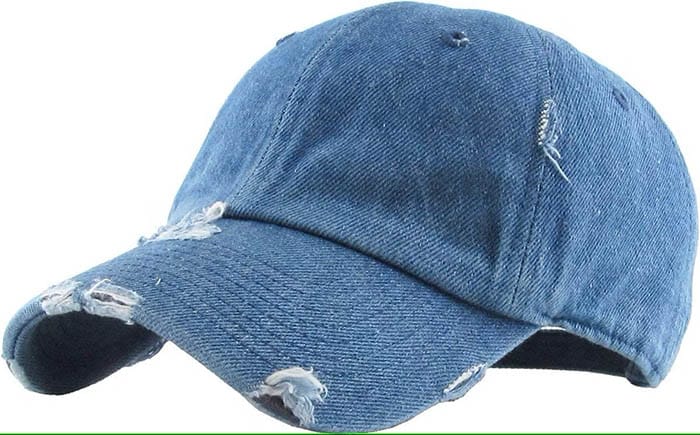
Separate the base wash from the distressed details
Identify the overall color and surface effect first. Then list deliberate details such as worn edges, exposed threads or localized abrasion. A sample can match the shade while still having the wrong distressing pattern.
CottonWorks’ garment-finishing resource describes different finishing approaches and localized appearance effects. Use it as background for the supplier discussion, then identify the actual route and result proposed for your cap.
Map each location on the cap
Give each distressed area a reference on front, side, rear or detail views. State whether the effect belongs on the visor edge, a crown panel, a seam area or another identified location. Use the same reference in the sample comments.
Distinguish intentional asymmetry from an area that should repeat in the same position. If you want a varied look, explain which boundaries remain fixed. A general instruction to make every cap different still leaves the acceptable result undefined.
Identify what must remain intact
Mark any stitching, attachment, label, logo or construction feature that the effect must avoid. Ask the sample team to review the proposed detail against the actual materials and cap construction. Keep an unresolved technical question visible instead of assuming the reference can be reproduced unchanged.
Where a detail approaches an important seam or component, request a clear view of the finished result. Agree which product checks are needed for the intended use and what acceptance references will apply. Do not invent a universal distressing limit for every fabric or style.
Describe the intended extent, not only the style name
Use close-up references to show the amount of visible thread, edge exposure or surface contrast you want. Add agreed dimensions or boundaries where those are needed to make the instruction repeatable. Mark the measurement points and units.
Keep a visual preference distinguishable from a confirmed production instruction. Ask the supplier to propose how the detail can be developed and which parts require a physical trial. Record the accepted proposal alongside the design reference.
Approve the effect on the actual material
Identify the fabric, color and finish used in the trial. A sample made from a temporary material may help explain the location but leave the final surface and edge result unresolved. List those limits in the approval record.
Review the complete cap with its proposed visor, support, sweatband and closure. Keep the shape and fit checks connected to the finishing route. Use the custom design-brief guide to distinguish the reference for the shape from the reference for the distressed effect.
Keep decoration requirements clear
State whether the logo should remain crisp or share an aged appearance. Show any intended effect on embroidery, patches or print separately from the surrounding fabric. Identify lettering or design features that must remain readable.
Ask when decoration enters the proposed route and review the final decorated sample. A washed fabric reference and a flat artwork proof do not establish the whole result together. Record the accepted artwork, placement and finish combination.
Define the variation you can accept
Where the design allows variation, agree physical references for the acceptable range. Compare the relevant locations under consistent viewing conditions. Identify which differences belong to the intended look and which require a decision.
Keep the range attached to the style, material, color and detail references it covers. A broad approval of a distressed appearance should not silently extend to a new fabric or a more extensive effect on a later item.
Record sample comments by detail
- Location reference: the marked area being reviewed.
- Sample identity: style, material, color and revision.
- Observation: the actual result, with a close-up where useful.
- Decision: accepted, requiring a change or awaiting a proposal.
- Coverage: the items and colorways covered by the acceptance.
- Next check: any connected construction, decoration or appearance review still needed.
Keep accepted details visible when requesting another revision. If the visor edge is accepted but a panel effect needs changing, say so. This gives the next round a clearer purpose.
Connect the approval to production and packing
Use the accepted reference when discussing batch review and any proposed correction. Keep held or unresolved goods distinguishable from accepted quantities. The production-record guide helps connect findings to the relevant item and work stage.
Confirm the intended presentation after unpacking. Match item codes and finish versions to the wholesale assortment and carton plan. An intentionally varied finish still needs clear product identification.
Distressed-detail questions
Does washed automatically mean distressed?
No. Define the desired surface and shade, then specify any deliberate worn-edge or localized details separately.
Can the amount of fraying vary?
It can be proposed as part of the look. Agree the acceptable appearance and boundaries on relevant physical references before confirming the instruction.
What should I send for a first sample?
Send the cap and wash references, marked detail locations, material direction, artwork, construction requirements and quantity plan. Identify technical or appearance decisions that need a proposal.
Prepare a defined distressed-cap brief
Review the washed cap manufacturing page, then send Wenext Caps your marked detail references. Clear boundaries make the sample discussion more useful than a general request for a vintage look.