
Washed Cap Buying Guide
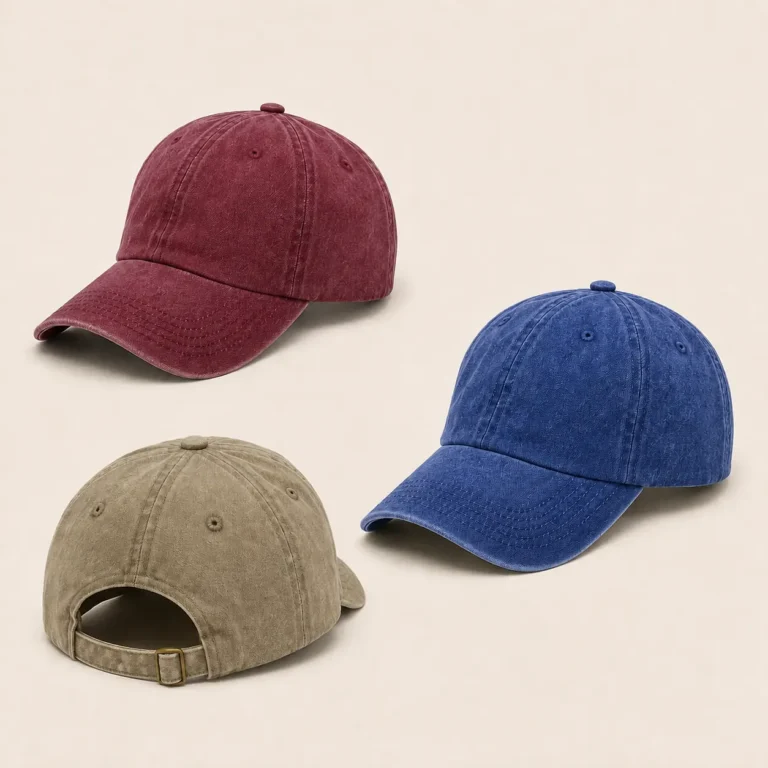
A washed cap order needs a clear reference for the finish you want. A soft surface, a faded color and deliberately worn edges are different choices. This washed cap buying guide helps you define those choices alongside fabric, shape and decoration before requesting custom production.
For manufacturing enquiries, review the Wenext Caps washed cap product page. Use the guide to prepare the brief and identify which details still need a physical sample or a proposal.
Describe the appearance you want to approve
Show the intended color, surface and areas of contrast in a small set of reference views. Explain whether a reference controls the overall shade, the seam highlights, the hand feel or a deliberately distressed detail. Mark features that should change.
Keep intentional fading separate from accidental differences. If light and dark variation is part of the design, agree the range the buyer can accept. A broad instruction such as “vintage look” leaves too much of that decision unresolved.
Identify the proposed finishing route
CottonWorks’ garment-finishing resource describes several approaches to garment washing and finishing. It is useful background for understanding why “washed” does not name one universal process or result.
Ask the supplier to identify the route proposed for your actual fabric and construction. Confirm which components are included at each stage and what the sample will demonstrate. Keep a change to the material or finishing route visible in the development record.
For denim development, the denim finishing-sequence review maps the fabric, decoration and trims present at each stage. Keep that sequence with the accepted finished cap so a visible effect remains connected to the actual component combination.
Choose the base fabric and construction
Record the fabric reference, stated composition, color direction and any agreed weight or finish. Specify crown panels, front support, depth and visor profile separately. A washed appearance does not determine whether a cap is structured, soft, shallow or deep.
Use identifiable material references for each colorway. If a swatch is provisional, say so and ask which checks need repeating when the intended material is available. Review the complete cap rather than approving only a loose fabric.
Define closure, sizing and visible trims
State the required size system and back construction. For an adjustable cap, identify the closure, strap, opening and relevant fit references. Keep the label and packaging size descriptions consistent with the accepted product.
List visible components such as the buckle, eyelets, button, internal taping and labels. Ask how the proposed finish interacts with those components and identify any item that will be fitted later. Confirm the actual result on the sample.
Approve a physical wash reference
Keep the accepted cap or material sample identifiable by style, color and revision. Where a range is needed, agree physical references for the acceptable appearance instead of relying on a single photograph to express every limit.
Compare proposed samples under consistent viewing conditions and retain the reference used for the decision. Record what is accepted: overall shade, contrast at seams, surface effect and any specific area needing control. Keep open questions separate from the accepted features.
Develop decoration with the finishing plan
Provide the artwork revision, finished dimensions, colors and placement references. Ask when embroidery, patches or printing will be applied in the proposed route. Check the completed decorated cap rather than assuming a separate logo trial resolves the whole result.
Review logo clarity, the surrounding fabric and inside finish. If the intended appearance includes a weathered logo, provide its own reference. Keep an accepted aged effect distinguishable from an unreadable or misplaced design.
Review shape and fit after the proposed finish
Check the crown, visor, closure and measurements on the sample that represents the intended finishing route. Identify the measurement method, conditions and agreed acceptance references. Record the material and trim combination used.
Review the cap worn in the intended position as well as on the table. Compare front, side and rear views. If the shape or size is revised, confirm which finish and decoration approvals remain applicable and which need another sample.
A practical washed-cap approval checklist
- Appearance: the desired shade, surface effect and accepted variation are identifiable.
- Materials: the fabric and relevant components match the current references.
- Construction: crown, visor, closure and fit have been reviewed on the intended finish.
- Decoration: artwork, placement and final appearance are approved together.
- Product checks: any required color, finish or other evaluation has an agreed method and acceptance reference.
- Records: sample revisions, item codes, quantities, trims and packing instructions agree.
Identify the responsible approver and retain any supporting reports the order requires. A proposed test is a requirement to resolve; it is not evidence that a particular result has been achieved.
Plan quantities and batch references
List quantities by style, fabric color, finish reference, artwork and size where relevant. Ask the supplier to review minimum quantities and availability for that breakdown. Record any proposed consolidation before accepting a revised quotation.
Discuss how the accepted appearance will be referenced across production batches and repeat orders. Keep proposed changes identifiable and review the relevant samples. A reorder should refer to the earlier approval while confirming current materials, quantities and scope.
Check packing and receiving information
State how the cap should be presented after unpacking and identify any shape or decoration detail that needs attention in the packing review. Confirm item separation, labels, carton contents and the required destination breakdown.
Give the receiving team the final item list and accepted exceptions. Keep any held or unresolved goods distinguishable from quantities approved for release. Reconcile a proposed shortfall or substitution by item instead of checking only the overall total.
Related planning resources
Use these focused checklists for the decisions that need more detail in your washed cap project.
Design, materials and finish
- Custom design brief
- Distressed detail locations and limits
- Cotton fabric and swatch approval
- Denim shade and color-transfer evidence
Crown shape and mesh-back construction
- Dad hat shape and adjustable fit
- Soft crown and packing presentation
- Trucker front, mesh and closure review
Logos, labels and retail details
- Private label component planning
- Embroidery timing and finished-logo approval
- Labels, item codes and retail files
Samples and specification records
Collections, orders and packing
- Colorway and artwork mapping
- Bulk quantities and order planning
- Production handoffs and references
- Export packing and carton release checks
Supplier and quotation review
Compare the underlying cap construction
The Baseball Cap Buying Guide covers broader construction choices. If you are considering a mesh-back version, use the Custom Trucker Hat Guide alongside the wash and material brief. Define the construction and finish as connected decisions.
Common washed-cap buying questions
Are washed and distressed caps the same?
Describe the actual finish you want. A softened or faded appearance and deliberate worn-edge details need their own references and approval decisions.
Can a photograph establish the accepted color?
Use it to communicate direction, then identify the physical reference and accepted range for the actual material and finish. Keep the relevant sample revision with the approval.
What should I include in a quotation request?
Send the cap and wash references, fabric direction, construction, artwork, trim requirements, quantity breakdown, packing needs and destination. Mark details that still require development.
Prepare your washed-cap brief
Review the main washed cap product page, then send Wenext Caps your design and finish references. A clear sample and variation plan makes the development discussion easier to resolve.