
Choosing a washed cap manufacturer starts with the finish you want to repeat. A supplier may show an attractive faded cap, but the buyer still needs to identify the fabric, accepted shade range, shape, decoration and order breakdown behind that result.
This checklist helps you review a proposal against those details. Prepare the product brief with the Washed Cap Buying Guide. For a Wenext Caps enquiry, use the main washed cap product page.
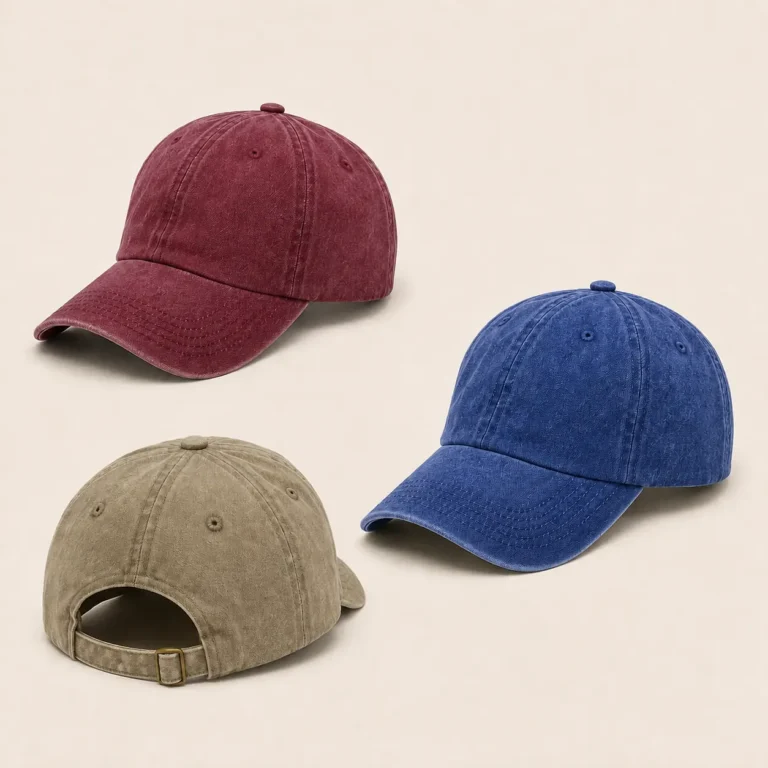
Give each supplier the same finish brief
Send the cap shape, fabric direction, wash appearance, artwork, closure, trims and quantity breakdown together. Explain what each reference controls. A cap chosen for its color may not be the crown or visor shape you want to copy.
Identify the finish details that remain open. Ask candidates to respond with a proposal instead of silently filling the gaps. Keep the same brief revision in each enquiry so the replies can be compared meaningfully.
Ask what the proposed wash will represent
Discuss the desired softness, overall shade, contrast at seams and any deliberate worn details separately. Ask the supplier which material and finishing route it proposes and what the development sample will contain.
CottonWorks’ garment-finishing resource provides background on different washing and finishing approaches. Use it to frame questions about the proposal; a general process name does not establish the appearance of your cap or the route a particular supplier uses.
Review a physical sample and its limits
Ask for an identifiable sample that represents the proposed construction. Record the fabric, color, wash reference, decoration and trim revisions. Mark temporary components clearly so a useful prototype is not mistaken for a fully approved product.
Agree what variation can be accepted. Where a range is important, discuss physical references that show it. Keep the decision attached to the actual material and style rather than approving a vague “vintage” description.
Check the finished shape and fit
Review crown balance, depth, visor presentation, closure function and relevant measurements after the proposed finish. Confirm the measurement method and accepted references. A photograph of the outside does not establish every aspect of fit or inside finish.
Ask which sample revisions are needed if the fabric, construction or finishing route changes. A supplier response should identify the affected feature and proposed next check, rather than assuming the earlier approval covers a different combination.
Confirm when branding and trims are applied
Provide the logo dimensions, colors and placement references. Ask how decoration fits into the proposed finishing route, including any component that will be attached later. Review the completed result on the actual cap.
Keep label wording, size identification and packaging artwork current. If the intended design includes a weathered logo or distressed label, provide a reference for that effect. Do not leave the team to decide how much loss of detail the buyer will accept.
Compare quotation scope before comparing price
Place the quoted fabric, wash reference, construction, decoration, trims and packing beside the price. Identify sampling, development, testing and delivery items that are included, excluded or awaiting confirmation.
Ask the supplier to review minimum quantities and timing against the actual color and style breakdown. Record a proposed material substitute or quantity consolidation before treating the quotation as equivalent to the original request.
Ask how batches will be referenced
Discuss how the accepted appearance will be identified during production and review. Ask how different colors, styles or finish references will remain distinguishable. A total finished quantity does not show whether the correct assortment has been maintained.
For repeat orders, ask the supplier to confirm current material and trim availability against the earlier references. Keep any new approval identifiable. A familiar style name should not hide a changed fabric, band, closure or finishing proposal.
Define the quality and release discussion
Identify the controlling sample, checking scope and acceptance references. Agree how findings and unresolved goods will be recorded. Ask which product checks or reports the actual brief requires and what sample each result will cover.
Keep accepted quantities, held pieces and proposed changes distinguishable before packing. Confirm carton contents, item labels and the destination breakdown. Ask who is responsible for approving the final release and keeping the order records aligned.
Use a short supplier evidence list
- Product proposal: identifiable fabric, construction and finishing route.
- Wash reference: the accepted appearance and any agreed range.
- Sample: a clear purpose, revision and list of provisional details.
- Branding: artwork, application stage and final trim references.
- Quotation: the same quantity breakdown and included work.
- Production review: batch identity, findings and decision responsibilities.
- Delivery records: packing, release quantities and receiving information.
Mark a point as evidenced, proposed or unresolved. This makes a shortlist more useful than a general comparison of who promises the softest finish or the best price.
Supplier-review questions
Does a wash name identify the finished color?
Use it as part of the discussion, then identify the actual material and physical approval reference. Define the accepted result and any relevant variation.
Can an existing cap replace development of my design?
It can illustrate relevant work. Identify the differences in fabric, construction, branding and quantity plan, then agree the sampling needed for your product.
What should I send in the first enquiry?
Send the shape and wash references, material direction, artwork, closure, trims, quantities, packing needs and destination. Mark decisions that still require a proposal.
Discuss the actual cap brief
Review the Wenext Caps washed cap manufacturing page, then send your product and finish references. Keep the first discussion focused on the sample evidence and decisions your order needs.