
A washed denim cap reference can show the right blue tone and seam contrast while leaving the actual fabric unidentified. Before approving the look, connect it to a material reference, a finish sample and the product checks the order requires.
This guide focuses on shade, surface and evidence for washed denim caps. Use the Washed Cap Buying Guide for the wider approval plan and the main washed cap product page for manufacturing enquiries.
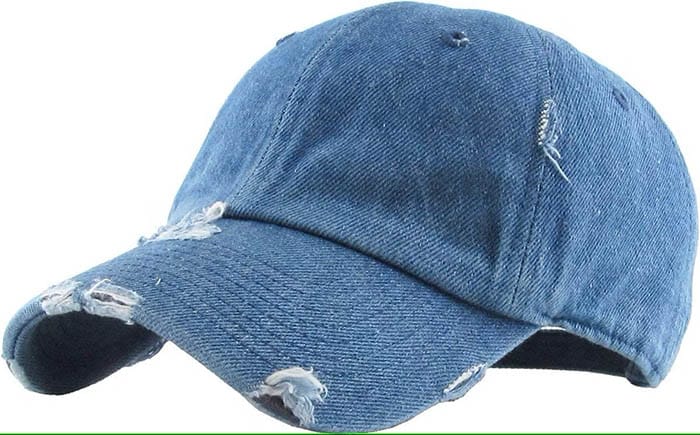
Identify the material behind the appearance
Ask for the fabric reference, stated composition, construction and agreed characteristics. Keep a physical swatch and identify the face and direction relevant to the design. Do not use blue color or a photograph alone as the material specification.
Record which styles and colorways use the proposed material. If more than one option is under review, give them distinct references. Keep an available substitute marked as provisional until the relevant sample and approval are complete.
Separate overall shade from local contrast
Describe the overall color and identify the areas where contrast matters: panel seams, visor edges, the rear strap or another marked location. A sample can have an acceptable overall shade and still differ from the intended distribution of highlights.
Use consistent views and physical references to explain the difference. Mark what should remain darker or lighter where that is part of the design. Keep a visual direction distinguishable from a confirmed production instruction.
Specify deliberate worn details separately
If the design includes fraying, abrasion or openings, mark their locations and acceptable extent. Identify stitching, attachments or decoration that should remain unaffected. Ask the sample team to review the proposed effect against the actual construction.
The distressed-detail guide covers location references and sample limits. A washed shade and deliberate distressing are connected choices, but they need separate approval records.
Compare the finished cap, not only the swatch
Record the material and finishing route represented by each sample. Review crown shape, visor presentation, closure function and the relevant measurements after the proposed finish. Keep temporary components visible in the record.
Ask which checks need repeating when the fabric or route changes. The OEM technical-pack guide helps identify the measurement state and sample revision so comparisons refer to the same condition.
Agree the acceptable appearance range
Where the buyer accepts variation, agree physical references for the range. Compare the relevant areas under consistent viewing conditions. Identify which style, fabric, color and finish combination the approval covers.
Keep a later colorway or revised material distinct until reviewed. An acceptance of one blue sample should not silently become approval of every shade or a more extensive surface effect in the collection.
Define any required color-transfer evaluation
If color transfer matters to the intended product or buyer requirements, agree the method, sample condition and acceptance reference with the responsible technical party. Keep the requirement separate from an actual reported result.
AATCC TM8 addresses color transfer caused by rubbing and includes dry and wet procedures. Ask the responsible laboratory to confirm the suitable method and version for the proposed evaluation. Do not infer a passing result from a faded appearance or invent a universal acceptance grade.
Check the scope of the supporting report
Reconcile the report’s sample reference with the fabric, color and finish proposed for the order. Identify any preparation or treatment relevant to the result. Ask for clarification if the material cannot be matched to the production reference.
Distinguish a fabric result from review of the complete cap. Keep construction, decoration, trims and fit decisions in the approval plan where those are not covered by the report. Record what evidence is still required rather than extending a result beyond its identified scope.
Review decoration and inside components
Provide artwork, dimensions, colors and placement references. State whether the logo should remain crisp or share an aged effect. Ask where the application fits into the proposed finishing route.
Review the completed decorated cap, surrounding surface and inside finish. Keep the actual thread, patch, support and label references identifiable. The private label guide helps keep trim timing and final appearance aligned.
Retain records for batches and reorders
Connect the accepted material, finish range and sample revision to the relevant item quantities. Ask how changes or unresolved findings will be identified in production. Use the production-record guide for the batch and handover discussion.
For a repeat order, provide the earlier references alongside the new assortment. Confirm current availability and ask which evidence or samples need review if a material, finish or component changes.
A denim-cap approval checklist
- Material: an identifiable fabric and declared composition.
- Appearance: overall shade, local contrast and accepted range.
- Details: separately approved distressing and decoration.
- Construction: finished shape, closure and relevant measurements.
- Evidence: any required report matched to the correct sample.
- Records: item, batch and reorder references that remain traceable.
Denim-cap questions
Can two caps with a similar blue color use different materials?
Identify the actual fabric rather than relying on color alone. Confirm the reference and relevant construction details in the sample file.
Does a washed look establish colorfastness?
Use the agreed evaluation and supporting result for the relevant requirement. An appearance approval does not establish an unperformed test result.
What should the first enquiry contain?
Send the fabric and appearance references, intended contrast, construction, artwork, product-check requirements, quantities and destination. Mark decisions that need a proposal.
Discuss the actual denim-cap brief
Review the washed cap manufacturing page, then send Wenext Caps your material, shade and sample requirements. Identifiable references make the desired result easier to evaluate.