
A private-label golf cap carries a brand through more than its front logo. The inside label, seam tape, size marking and hangtag all help someone recognise the product and understand the version they are handling. These details need to agree with the cap and with each other.
When preparing a brief for a private label golf cap manufacturer, separate brand artwork from product information and packing data. Use the Custom Golf Cap Buying Guide for the overall cap specification, then build a trim sheet around the actual selling channel.
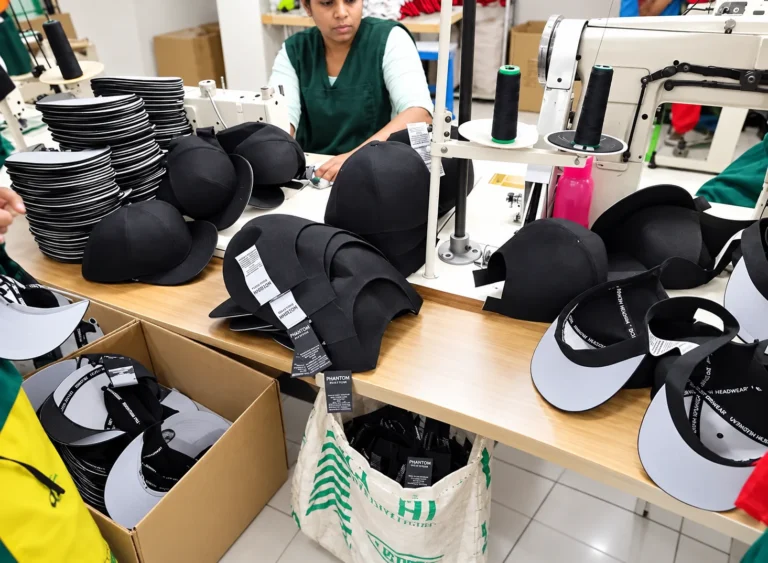
Assign each label a clear job
List the main brand label, size identification and any required product or care information separately. Specify the proposed material, finished dimensions, fold and attachment position. Do not assume that a decorative woven label can carry every piece of readable information.
The required copy depends on the destination, product and selling arrangements. Have the responsible buyer or adviser confirm the applicable wording before production. A generic supplier example is not a substitute for that review.
Show interior placement on the assembled cap
Mark the labels on an inside-view drawing or photograph. Show their relationship to the sweatband, rear opening, seam tape and adjustment hardware. Check the label in the finished cap, including its exposed edges and how it lies when worn.
For a fitted range, make the size marking easy to find without confusing it with the style code. For an adjustable range, agree the size wording and any fit information rather than copying it from an unrelated product. Keep labels clear of the moving closure.
Treat branded tape as its own artwork
Interior seam tape may repeat a wordmark or a short message. Provide an artwork file showing the tape width, repeat length, orientation and colours. Identify where joins and changes in direction are acceptable.
Review readability on the actual tape and check how the pattern appears after assembly. A large screen proof can hide small lettering problems. Confirm whether different cap colours share one tape version or require distinct versions, and include that choice in the bill of materials.
Keep retail identifiers connected to the correct variant
A hangtag can combine the public product name with the buyer’s style, colour and size references. Where retail barcodes are required, confirm who assigns the identifier, who supplies the final data and how the printed result will be checked.
GS1 explains the role of the Global Trade Item Number in identifying trade items. An internal style code is not automatically a GS1 identifier. Agree the relevant system with the buyer before finalising hangtags, stickers or receiving files.
Create a trim version for each real difference
A club collection may share the cap body while using different crests, sponsor marks or retail presentation. List which labels and tags remain common and which change. Avoid a single instruction such as “all branding to match” when different departments supply the files.
For each trim, retain its file name, revision date, approved copy and applicable product variants. Include quantities for the agreed uses and identify any spare-trim arrangement separately. Do not mix obsolete artwork into a replacement order merely because it has the same brand name.
Check presentation after packing
Review where the hangtag sits and whether its fastener or edge presses against the visor or embroidery. Check that protective packing does not obscure the identifier needed for receiving. The preferred result should be visible in a packing reference, not left to interpretation.
Reconcile the cap label, tag, sticker and packing breakdown before release. A correctly printed label attached to the wrong colour or size still creates an incorrect product identity. Keep the approved trim sheet with the construction and artwork records for future orders.
Discuss the cap itself through the Wenext Caps golf cap product page. To prepare a private-label proposal, send the brand files, trim list and variant quantities, together with the destination and any buyer-confirmed information requirements.