
A performance headwear range needs more than several colours under one collection name. A running style, a firmer training cap and an outdoor version can share branding while using different crowns, visors or materials. Show those relationships before comparing proposals or planning sample coverage.
For a discussion with a performance headwear manufacturer, prepare a range map beside the product specifications. The Performance Cap Buying Guide covers individual cap decisions. This article focuses on shared components, real differences and the evidence that applies to each version.
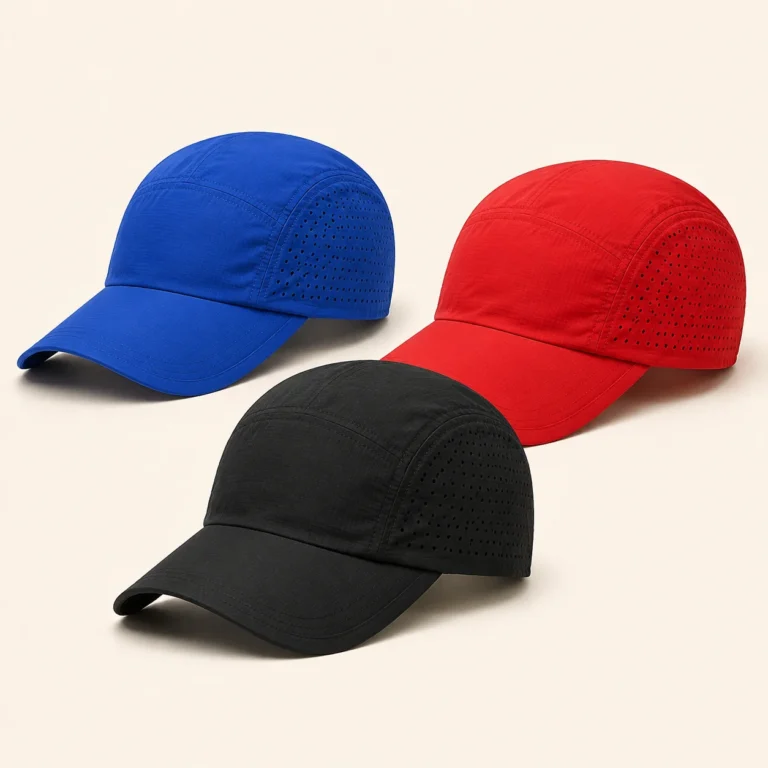
Give each style a reason to exist
Describe the intended use and wearer for each proposed style. Identify the crown profile, fit system and preferred visor handling. Avoid creating a new style code for a colour alone if the buyer’s product system treats it as a variant of the same base.
Conversely, do not hide a different material, size system or construction under one vague description. The range map should help a reviewer see what can be shared and what requires a separate decision.
List common components and permitted differences
Record the shell, sweatband, support, closure, visor and decoration references for each style. Mark the components intended to remain common. Identify any colour or material option still under development rather than assuming it is interchangeable.
Sharing a component can simplify communication, but it does not automatically establish identical fit or performance across different constructions. Review the assembled result where the relationship matters to the product requirement.
Map samples to the differences they represent
Use a sample-coverage sheet showing which construction, material, fit and decorated application each sample represents. A new shell or substantially different logo can need another review even when the cap shares the same base name.
Keep proposed, sampled and accepted versions distinct. Record the accepted reference and the variants it covers. This makes a later launch or reorder easier to discuss without reopening every decision or extending an approval beyond its intended scope.
Keep performance wording specific to each version
List each proposed claim beside the relevant material or product evidence. Check the specimen, method and scope before applying the wording across a collection. A report for one shell is not automatically evidence for an alternative fabric or a differently described product.
Keep informal sample observations separate from measured properties. A consistent fit review is useful for the development record, but it does not establish a universal cooling, drying or protection claim. Resolve gaps before finalising labels and product descriptions.
Turn the range map into an order breakdown
Create one row for each actual style, colour, size and artwork combination being ordered. Reconcile quantities and show which labels or packing references change. Do not multiply every option into combinations that the buyer has not selected.
Where retail identifiers are required, confirm the buyer’s assignment process. GS1’s explanation of the Global Trade Item Number helps distinguish trade-item identification from internal style and allocation codes. Keep that data connected to the correct variant.
Control launch changes and later repeats
Give the current range map a version and date. When artwork, materials or quantities change, identify which specifications, sample approvals, claims and packing records are affected. Ask for a revised proposal where the scope changes.
For repeats, confirm component availability and review substitutions against the accepted reference set. To discuss the programme, visit the Wenext Caps performance cap product page and send the range map and variant quantities with destinations, timing and open development questions.