
A streetwear cap drop needs a clear product idea and an equally clear release plan. When a patch, wash or trim changes between colourways, the collection can become several different products. Make those differences visible before the sample round so the launch team knows what it is actually approving.
Start with the snapback cap buying guide to settle the base construction. Use this checklist to prepare the related patch decision for that cap.
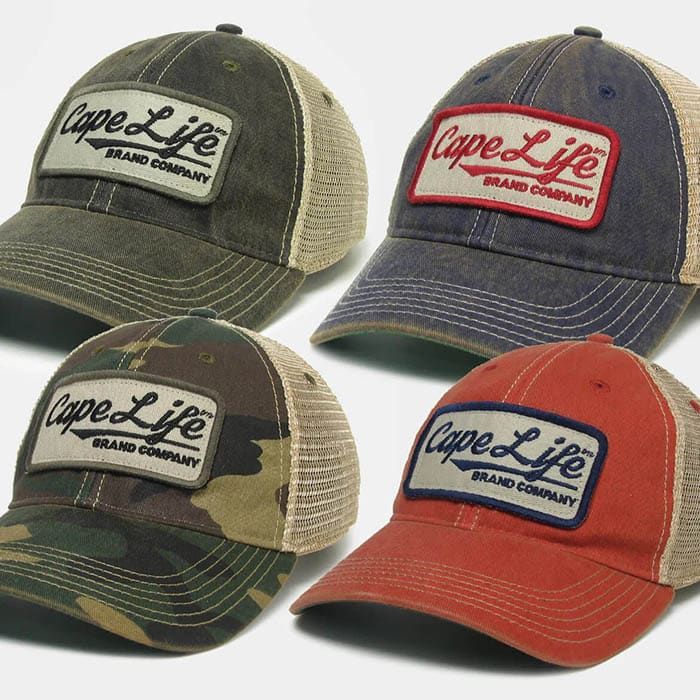
Choose the details that make the drop recognisable
Explain the intended silhouette, crown proportion, patch character and palette. Identify which details belong to the permanent brand identity and which belong only to this release. A reference board helps communicate the mood; the cap specification must still name the proposed physical components.
Keep collaboration artwork and limited-edition wording under the responsible brand’s approval. If the drop is advertised as limited, decide how quantities and repeat production will be recorded. Do not let an informal sample request define a public scarcity claim.
Build a colourway matrix that the sample team can use
Give each combination a style reference, cap fabric, patch version, border, closure and interior trim set. Record quantities against the complete combination. Similar colour names are not enough when one patch uses a tonal wordmark and another uses a contrasting outline.
For a badge-heavy design, use the logo artwork and scale review before multiplying the colourways. STAHLS’ woven patch information is a useful example of how construction, edge and backing remain separate decisions even within one patch family.
Approve the look before preparing launch photography
Use the actual cap to review proportions, hand feel, patch placement and the interior. If a washed finish is part of the idea, name the finish state represented by the accepted sample. Keep an achievable reference rather than choosing an unusually perfect piece that the order does not represent.
Mark provisional components clearly. The photograph used for a product launch should correspond to the released combination, or the team should know exactly what remains different. A digital mock-up can help explore options; it does not resolve the physical appearance.
| Check | Reference to retain |
|---|---|
| Identity | Permanent brand details and release-specific artwork |
| Colourways | One reference per complete cap and patch combination |
| Sample | Accepted finish, placement, trims and provisional items |
| Calendar | Approval state, receipt target and confirmed schedule |
| Allocation | Quantities by style reference and receiving channel |
Separate production release from the public launch date
Work back from the intended sales date, allowing for outstanding approvals, production, inspection, transport and receipt. Ask for a schedule tied to the proposed order and approval state. A preferred calendar date is not confirmation that every earlier task is complete.
Prepare the channel allocation by style reference and quantity. Decide how shortages, replacements and any later repeat will be handled before packing instructions are released. The same matrix can then support ecommerce, retail and fulfilment teams without separate conflicting colourway lists.
Discuss the proposed snapback cap with Wenext Caps. Send the artwork, cap reference, intended quantity and open questions through Contact Wenext Caps so the next sample or quotation can address the actual brief.