
Custom Kids Cap Buying Guide
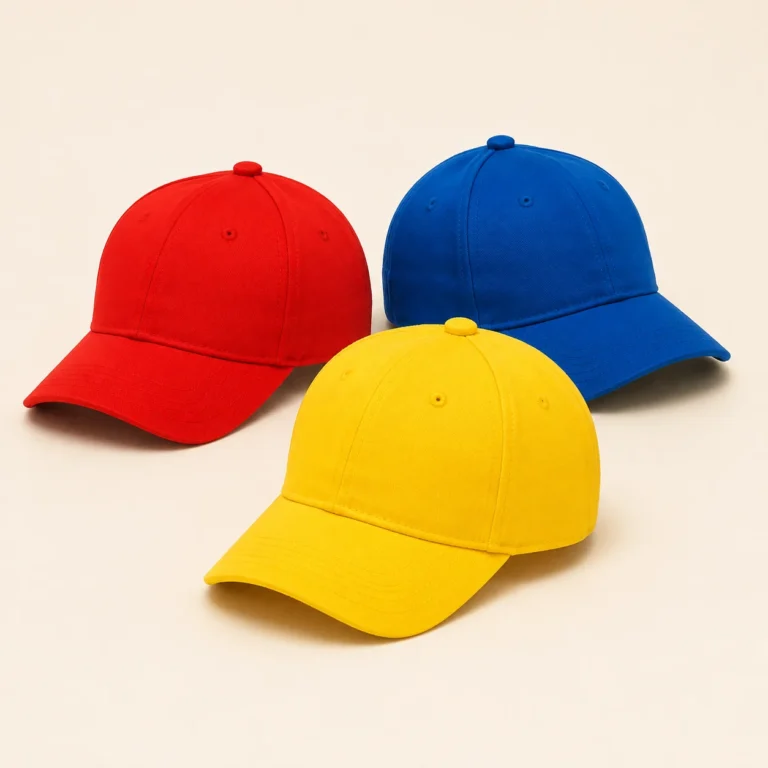
A kids cap needs a brief built around the intended wearer group. An age label alone does not describe the head measurements, crown depth or visor proportions required for the range. Start with the target group and destination, then connect sizing, components, artwork and sample approval.
Use the Wenext Caps kids cap product page for a project discussion. This custom kids cap buying guide helps buyers prepare a reviewable specification for a retail, school or other agreed programme.
Identify the wearer group and use
State who the caps are intended for, the proposed size groups and how the product will be supplied. A school uniform range and a retail collection may share a construction while needing different size quantities, artwork or presentation.
Give each distinct product version a reference. Separate pupil and staff products when their specifications differ. Do not assume that a school name, colour or one age statement resolves every sizing and product-classification question.
Build sizes from measured references
Provide the buyer’s intended head-circumference ranges and the relevant fit reference. Define the crown depth, visor dimensions and adjustment arrangement for each proposed size. Show how measurements are taken and agree the tolerances used for review.
Age descriptions can help organise a collection, but they should remain connected to the actual measurement chart. Review the finished cap for the intended size rather than treating a reduced adult pattern as sufficient evidence of fit.
Review proportions on the assembled cap
Use front, side, rear and top views to define the panel layout, crown support, visor projection and curve. Show the intended wearing position. Keep the measuring points and sample version visible in the comment record.
Check the visor, lower edge, rear opening and band together. If a pattern or component changes, review whether the other dimensions and size versions remain appropriate. A closure’s adjustment range alone cannot describe the whole cap’s fit.
Specify closures and trims for the actual brief
Identify the closure, strap end, hardware and visible trims. Record their materials, dimensions and attachment references where relevant. Include interior labels, seam tape and the sweatband in the assembled review.
Bring decorative cords, hanging details or additional hardware into the age- and destination-specific assessment before adding them to the design. Agree the relevant component, attachment and evidence requirements with the responsible review team; do not treat a general adult-cap reference as approval for the kids range.
Keep material identity and evidence connected
Record shell composition, weight, colour and finish, along with the other agreed component specifications. Review the actual swatches and the assembled sample. A soft feel or a particular fibre name does not establish every property or applicable requirement.
Identify any report or other evidence by the material or product it covers. Mark substitutions clearly and review whether they affect the accepted specification, claim wording or evidence scope. Keep proposed requirements separate from results that have actually been obtained.
Confirm destination requirements before release
Identify the destination market and the party responsible for determining the requirements for the actual product. For the United States, the official CPSC children’s products guidance explains classification using intended use and other factors, including products intended primarily for children aged 12 or younger.
The CPSC Children’s Product Certificate guidance explains the applicable-rule and evidence process. The responsible importer should also check current CPSC eFiling applicability guidance. Requirements and exceptions need to be assessed for the actual product; these links do not establish a certificate or test result for a Wenext Caps order.
Include the agreed testing, documentation, labelling and review responsibilities in the project plan. Other destinations need their own applicable assessment. Keep this work connected to the final components and product version rather than relying on a generic supplier logo or an unrelated report.
Adapt artwork to the smaller crown
Provide the original authorised artwork, finished dimensions, colours and placement views. Review small lettering, fine detail and the relationship to seams and the visor. An adult logo layout may need an accepted adaptation instead of simple reduction.
For embroidery, Madeira’s backing guidance is a useful support reference. Review the intended fabric, design and support on the assembled cap, including the interior finish. Keep the artwork approval and the finished application approval identifiable.
Give each sample a defined approval scope
| Area | Reference to retain | Open decision to resolve |
|---|---|---|
| Size and fit | Measuring method, chart and sample size | Crown, visor and adjustment comments |
| Components | Shell, band, closure and trim versions | Substitutions or attachment questions |
| Branding | Artwork, placement and application reference | Readability and assembled finish |
| Destination requirements | Agreed review plan and applicable evidence | Remaining documentation or test conditions |
| Presentation | Labels and packing breakdown | Correct style, colour and size identity |
Use this as a planning example, not a universal compliance or testing procedure. Record accepted features separately from requested changes. Identify which sizes, materials and decorated variants each reference covers.
Plan the quantities and receiving information
List the complete style, colour, size and artwork combination for each item being ordered. Reconcile the size totals and identify any school, shop or other receiving allocation. Keep that information consistent with labels, tags and packing records.
Review the proposed packing with the actual crown and visor, then retain the accepted presentation reference. For repeat orders, confirm component availability and review changes against the dated specification and approval records.
School cap programme planning
For year-group quantities, authorised crests and receiving allocations, read School Cap Programme: Sizes, Crests and Distribution. It shows how to connect the approved cap specification to a practical allocation and packing record.
Common kids cap buying questions
Is an age label enough to define the size?
Connect the proposed age group to the buyer’s measurement chart and fit reference. Review the finished cap’s crown, visor and closure setup for the intended size coverage.
Can one sample approve every colour and size?
Identify the differences and agree the relevant sample and evidence coverage. A change to size, material, trim or decoration should remain visible in the approval record.
What should I send for an initial proposal?
Send the wearer group, destination, size chart, cap views, materials, closure, artwork and quantities. Include timing and the agreed evidence requirements through Contact Wenext Caps.