
Two prototypes are hard to compare when the fabric, fit, visor and decoration all change without a record. Identify the decision each sample is meant to resolve. Where practical, keep other inputs consistent so the next choice has an understandable basis.
Use the performance cap buying guide for the related construction decisions, alongside the focused checklist below.
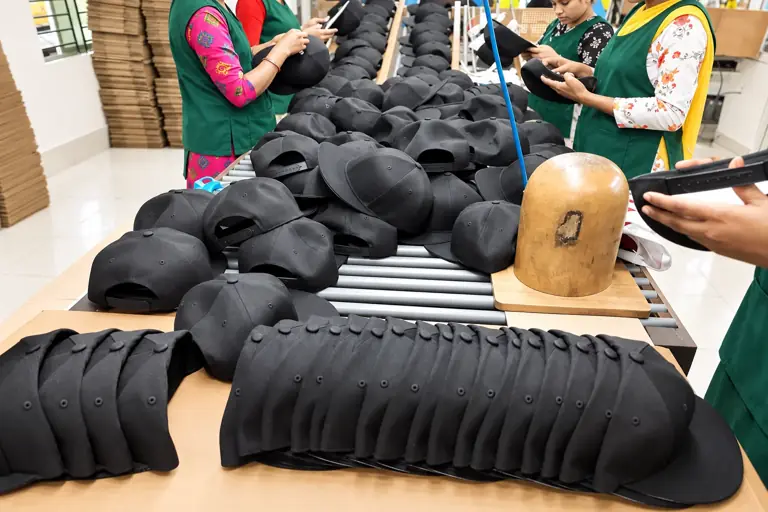
Name the question before ordering another sample
State whether the comparison concerns crown depth, support, closure, visor or another defined detail. Keep the reference sample and proposed change identifiable. A request for a generally better sports cap can produce several attractive options without settling the issue.
Identify which details must remain consistent for a useful comparison. If several inputs need to change together, record that choice and its limitations. Do not later attribute the entire outcome to one component.
Use a sample register with changed inputs
Give each prototype its own reference and list the actual construction, materials, size or adjustment and decoration. Mark temporary components. Keep the drawing and physical sample connected so photographs cannot silently stand for a different revision.
Record what changed from the preceding sample and why. Separate an intended difference from an accidental departure. This makes feedback specific enough for the development team to act on.
Compare appearance, fit and evidence separately
Pantone’s physical colour-reference guidance supports using physical references for product colour. Keep the accepted colour question distinct from wearer comments about fit or an intended laboratory performance claim.
Review the complete cap from the relevant angles and in the stated wearing setup. Ask reviewers to describe an observation and its location. A preferred appearance or feel can guide a design decision without proving a measurable material property.
| Check | Reference to retain |
|---|---|
| Question | Defined decision and reference sample |
| Inputs | Consistent details and deliberate differences |
| Identity | Prototype, drawing and actual components |
| Review | Separate appearance, fit and technical evidence |
| Decision | Accepted combination and remaining work |
Close the comparison with a named decision
The sample revision checklist helps retain wear notes and outstanding questions. State which prototype or combination is accepted, which changes remain and who releases the next stage.
If features from different samples are combined, identify the new complete version and the review it needs. Keep the accepted reference and decision history for production and repeats. Approval should describe an actual product, not an unassembled collection of preferred details.
Explore the related headwear product. Share the cap reference, artwork, variant quantities and open development questions through Contact Wenext Caps so the next proposal or sample addresses the actual brief.