
A resort may need one recognisable uniform identity across reception, guest services and other staff teams. The cap range works better when those roles are listed before styles and colours are chosen. That makes it easier to decide which features should be shared and which differences need a separate approved product.
Start with the Work Cap and Uniform Headwear Guide for construction and sample decisions. This article explains how to organise department variants, appearance reviews and seasonal resort staff allocations.
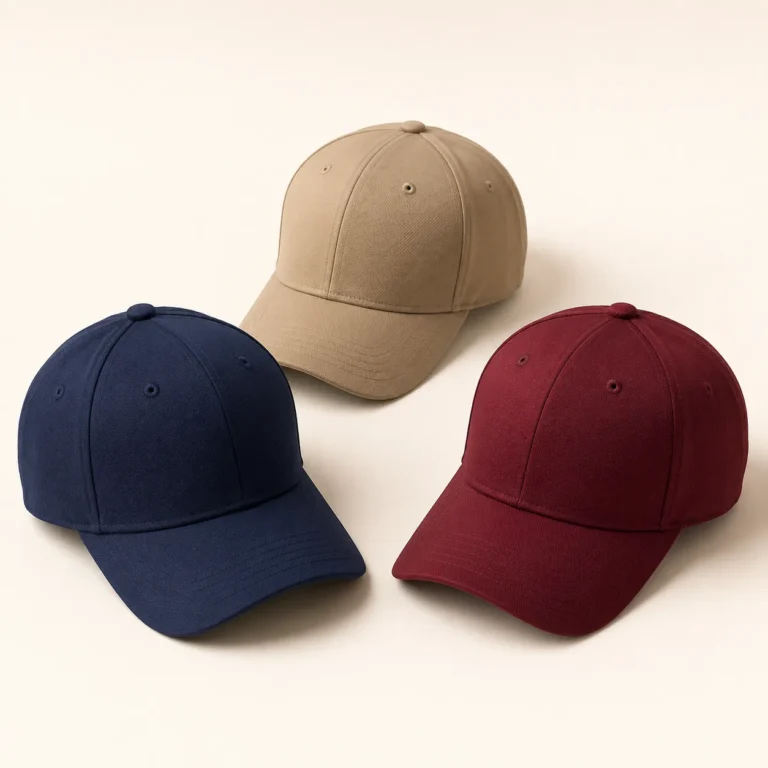
Map departments to a shared uniform identity
List the teams that will wear caps and the situations in which they are used. Identify common features, such as the main brand mark or crown profile, before proposing department colours or secondary identifiers. Keep staff headwear separate from guest merchandise where the product or presentation differs.
Ask the resort’s responsible team to specify any task-specific headwear requirements. A cap chosen for appearance should not acquire an unverified protective or performance claim simply because one department works outdoors. Record any additional requirement in the brief for review.
Review the cap with the complete uniform
Place the cap reference beside the actual shirt, jacket or other relevant garment. Compare colour, scale and logo position under agreed viewing conditions. The same screen colour can appear different when applied to separate fabrics or finishes.
Pantone’s physical sample guidance explains why physical references matter. Retain the accepted cap swatch and uniform comparison reference, including any deliberate difference between the cap and garment colours.
Make department variants easy to identify
A front logo, side department mark and different closure can each affect the finished version. Give every accepted combination its own item reference. Keep the authorised artwork, dimensions and placement views linked to that reference rather than relying on a department nickname.
Review small lettering at the actual application size and on the assembled crown. Confirm whether the main logo is identical across departments or intentionally adapted. A shared source artwork file does not establish that every finished placement has been accepted.
Cover the wearer range before allocating quantities
Define the measurement chart and adjustment arrangement, then review the intended fit references. Record comments about crown depth, band pressure, rear opening and visor position. Identify the size and sample version used for each comment.
Connect those approved sizes to the department allocation sheet. Reconcile permanent-team quantities, seasonal intake and any reserve stock at the item level. These are planning categories rather than assumed quantities; the resort should confirm the actual breakdown and the date of the allocation.
Coordinate care, storage and seasonal replenishment
Describe the proposed care routine before final material and decoration approval. Identify who confirms the instructions and what review is required for the whole cap. Fabric, visor, closure and branding need to be considered together.
Agree how the receiver will separate departments and sizes in storage. Record the item references and quantities in each pack or carton, using the resort’s actual stock system. A clear allocation helps avoid opening several mixed cartons simply to find one replacement size.
For a new season, compare the requested order with the retained specification and artwork versions. Confirm component availability again and flag proposed changes. Decide how a revised version should be introduced alongside any existing stock instead of treating every reorder as automatically identical.
Use the Wenext Caps work cap product page for development options. To prepare a proposal, send the resort uniform brief with department roles, cap and garment references, authorised artwork, size quantities and the required schedule.