
A wholesale five-panel cap order is easier to manage when the quantities describe the assortment clearly. A total order quantity alone does not show how many caps belong to each color, logo or packing arrangement. Those differences affect quotation, approvals and receiving at the destination.
Give the wholesale 5-panel cap supplier an item list that can follow the order from the first proposal to the packing list. Use the 5-Panel Cap Buying Guide for construction and sample decisions. This article focuses on the quantity and packing information needed for a bulk assortment.
Define what makes one item different from another
Separate the variations that need their own quantity or identification. Two caps might share the same pattern and fabric but have different graphics. Another version may add a contrasting visor or a retailer-specific tag. Give each item a reference rather than relying on informal color names in email.
Keep the common construction in the main specification. Use the assortment list for the differences. If you revise a colorway, update its reference and check whether the change affects its sample, artwork, packing or quantity.
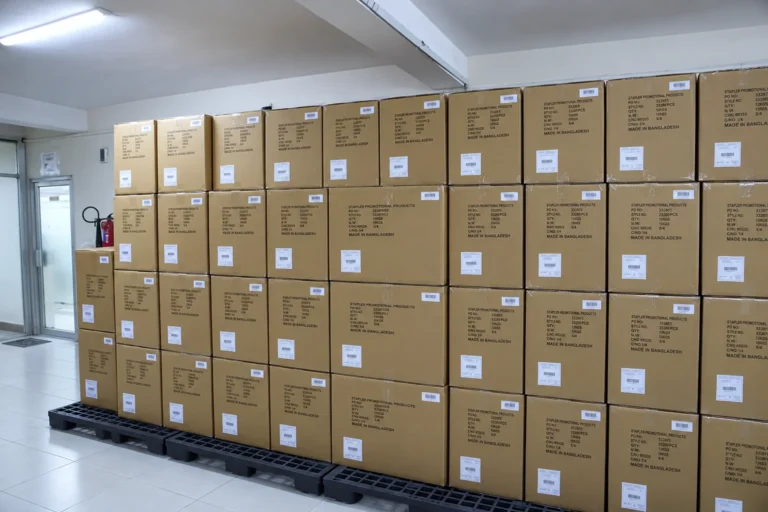
Put quantities beside the relevant variation
List the requested units for every item and check that the lines add up to the intended total. Ask the supplier to confirm which minimums apply to the proposed fabric, color and style combination. Do not assume that combining several small variations into one total settles their feasibility.
If the initial assortment is still a proposal, label it clearly. When the mix changes, request an updated quotation or confirmation where needed. Keep the approved quantity version separate from earlier planning estimates.
Agree whether the recipient expects mixed or separate packs
A distributor receiving caps by color may need a different arrangement from a retailer receiving a coordinated assortment. Describe the contents of the inner pack and outer carton, including which items may be mixed. Ask the supplier to confirm the proposed quantities and practical arrangement.
Review the protection of the cap as well as the count. The supplied visor shape, front decoration and retail trims should be considered in the packing sample. Identify the condition expected after unpacking instead of specifying a carton quantity without looking at the product inside it.
Make packing information readable at receiving
Ask the buyer or warehouse which references must appear on the individual pack, inner pack and carton. The style code, colorway, purchase order reference and quantity may serve different purposes. Use the requested field names consistently across the documents and physical marks.
Where a logistics labeling system is required, confirm its scope with the receiving party. The GS1 Logistic Label Guideline explains identification of logistics units, including the SSCC. That is a specific system to implement when applicable, rather than a reason to invent identifiers or put the same code on every level of packing.
Use one order breakdown to check the handoff
| Field | Question it answers |
|---|---|
| Item reference | Which construction, colorway and graphic is this? |
| Approved quantity | How many caps belong to the item? |
| Pack composition | Which items and quantities may share each pack? |
| Label or mark revision | Which approved identification file applies? |
| Receiving reference | How will the recipient match this shipment to the order? |
Connect quantity release with the approvals still needed
Identify the sample, artwork and packing approvals that must be closed before the proposed production stage. Keep any outstanding buyer data visible. A confirmed cap design does not automatically approve its barcode file or the contents of a mixed carton.
For label and artwork responsibilities, use the five-panel trim release checklist. Keep the same item references in that file and the wholesale order breakdown.
Handle a repeat order as a new quantity decision
A repeat can retain the earlier construction while changing the assortment. Identify which sample and component references remain valid, then release the new item quantities and packing instructions. Check any new retail data or destination requirements rather than copying the old packing list unchanged.
Discuss the proposed range through the Wenext five-panel cap product page. Send the quantity breakdown, packing expectations and open questions through Contact Wenext Caps so the supplier can review the complete assortment.