
5-Panel Cap Buying Guide
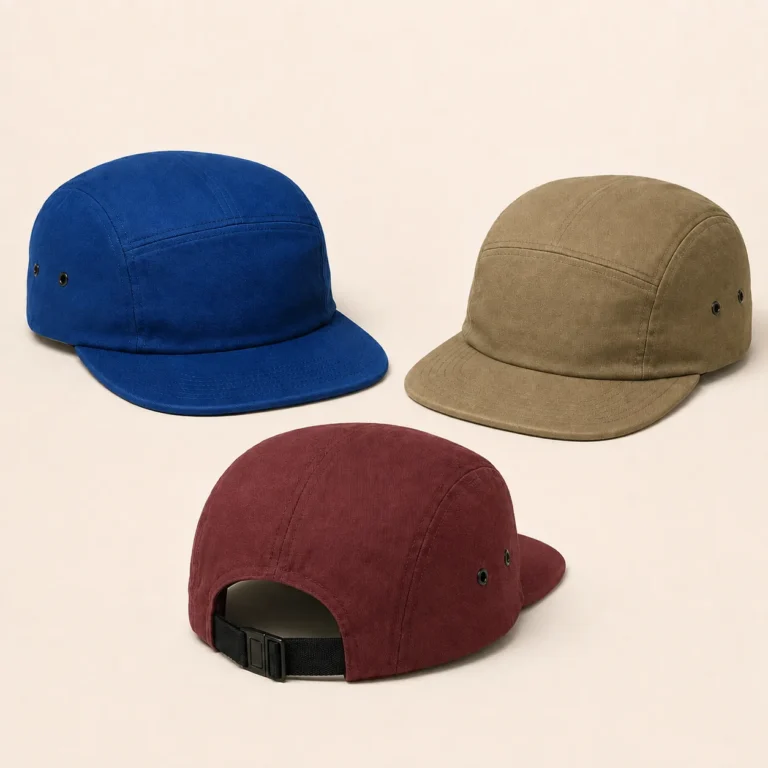
A five-panel cap brief should show the panel layout and silhouette you want, alongside the material and logo. The panel count alone leaves several construction choices open. This 5-panel cap buying guide helps turn those choices into identifiable references for quotation, sampling and order approval.
For a project discussion, use the Wenext Caps 5-panel cap product page. Keep the cap views, artwork, proposed items and quantities together so the supplier can identify the intended design and the decisions that still need development.
Start with a panel map and reference views
Provide front, side, top and rear views where they explain the desired pattern. Identify the front panel, side and top proportions, seam positions and rear opening. Mark which features of a reference cap should be retained and which should change.
For a specific industry example, AS Colour’s Class Five Panel Cap is described with a mid profile, flat peak and internal mesh support. Those are choices attached to that product. Specify the profile, visor and support required for the actual Wenext design rather than relying only on the category name.
Agree the crown profile and fit setup
Show the intended wearing position and overall crown shape. Add relevant dimensions with units and an agreed measurement method. Identify the actual wearer or display references used for sample review, and record the closure setting where it affects the comparison.
A cap arranged for a photograph can present differently from a cap worn or freshly unpacked. State the condition used for approval so later samples can be assessed on a consistent basis.
Identify the fabric and inside components
Keep the proposed fabric reference, relevant composition and construction information, color direction and finish together. A photograph can communicate visible texture and shade direction, while the actual swatch and cap sample answer additional material questions.
Identify the front support, lining, sweatband and seam treatment where required. Mark substitutes as provisional during development. If a material or support changes, ask which shape, fit and decoration checks need another review.
If canvas is proposed, use the canvas finish review to identify the supplied cloth, surface treatment and relevant seam or decoration checks. Keep a changed finish visible in the five-panel sample record rather than extending an earlier fabric approval by appearance alone.
Specify the visor as supplied
Record the intended visor shape, curve, dimensions and relevant stitch or edge details. Review how it meets the crown using consistent front and side views. Separate the appearance expected out of the pack from any later styling for product photography.
For a cap intended to be packed down or folded, agree a representative handling trial on the actual material and visor combination. Confirm the intended condition after unpacking instead of assuming that every five-panel cap has the same packability.
Review closure and ventilation details
Name the proposed closure component and adjustment arrangement. Check the rear opening, strap handling and inside contact areas on the assembled sample. Keep the intended fit requirements explicit rather than treating an adjustable back as a universal size specification.
Show eyelets, mesh or other requested ventilation features in the construction brief. If the project requires a measurable performance property, agree the relevant evidence with the responsible technical party. A visible feature and a test result answer different questions.
Plan the logo against the actual front layout
Send the selected artwork revision with the intended method, finished dimensions, colors and marked location. Identify any relationship to panel seams or the visor. A front that looks uninterrupted in one reference does not establish the layout of every proposed pattern.
Review embroidery, print, transfer or badge proposals on the relevant construction. Keep approval of the graphic separate from the decorated sample, which shows the actual placement, surrounding panel and inside result where relevant.
The woven patch detail review covers actual-size lettering, contrast, edge and backing. Use it with the chosen five-panel front and complete cap sample so a readable loose badge also has an accepted position and attachment.
Compare the cap printing method checklist when the artwork route is still open. For a film transfer, the DTF transfer and application review identifies the selected system, supported placement and sample outcome on the proposed front construction.
Connect finishing, labels and retail files
List the inside labels, seam tape, tabs, hangtags, stickers and packing components required for the item. Identify their artwork versions and who supplies and approves the relevant product information for the intended market.
If a finishing treatment is proposed, ask when the fabric, decoration and trims enter that sequence. Review the relevant finished state on a sample and keep temporary components visible in the record.
Use the sample to close specific decisions
Agree the purpose of each sample round. An early construction sample may answer a panel-layout question while using a temporary color or closure. The final approval should identify the actual combination and any remaining conditions.
- Pattern: accepted panel map, seam positions and silhouette.
- Fit: relevant measurements, wearing setup and closure reference.
- Material: actual fabric, support, sweatband and visor components.
- Branding: artwork version, application dimensions and placement.
- Finish and trims: the complete combination reviewed.
- Packing: supplied presentation and any agreed unpacking or handling check.
Write comments against the observed feature and controlling reference. Keep accepted details clear while requesting a revision, then compare the next sample with the actual comment list.
Plan quantities and production handoffs by item
List quantities by colorway, logo and other relevant variations. Confirm the supplier’s proposed minimums, development charges, packing scope and timing assumptions. Keep shared construction separate from item-specific differences in the released specification.
For a repeat order, retain the accepted sample and component references where needed. Identify a new material, closure, artwork or packing version explicitly before extending an earlier approval.
Related planning resources
Use the focused article that matches the next decision for your five-panel or camper-style cap. Keep its references with the main product brief.
Pattern and fit
- Five-panel design brief and construction decisions
- Low-profile crown depth, measurements and adjustment
- Camper panel direction, pattern alignment and priority joins
Sample and production records
- Sample rounds, provisional components and revision comments
- Panel groups, components and production handoffs
Artwork and private-label branding
- Logo artwork, placement and application approval
- Private-label artwork, labels and trim release
- Camper hangtags, attachment and complete retail unit checks
Streetwear and fashion presentation
Camper, travel and outdoor requirements
- Camper-cap packability and complete-construction review
- Travel-cap fit, ventilation and closures
- Outdoor use requirements and performance evidence
Flat-brim visor decisions
Wholesale orders and receiving records
- Wholesale assortment quantities and packing plans
- Enquiry scope, proposal comparison and responsibilities
- Camper carton trials, receiving checks and restock records
Compare related cap choices
The Baseball Cap Buying Guide covers broader construction decisions, while the Custom Dad Hat Buying Guide focuses on that product family. Use an identifiable pattern and sample to describe the combination required for the actual project.
Common five-panel buying questions
Does five-panel always mean one camper-style pattern?
Ask for the actual panel map and reference views. Agree the crown profile, seam layout, visor and support instead of using the panel count as the complete specification.
Can every five-panel cap be folded for travel?
Review the actual construction and proposed handling. Use a representative trial and an agreed unpacked condition where packability is part of the brief.
What should accompany an initial enquiry?
Send the reference views, material and finish direction, visor, closure, artwork and quantities by item. Add the destination and timing through Contact Wenext Caps so the proposed scope and open inputs can be reviewed.