
A sports cap assortment can become complicated before the first carton is packed. Each added colour or fit option creates another item to forecast, approve and replenish. Build the range around clear combinations and keep confirmed quantities separate from possible future additions.
Use the performance cap buying guide for the related construction decisions, alongside the focused checklist below.
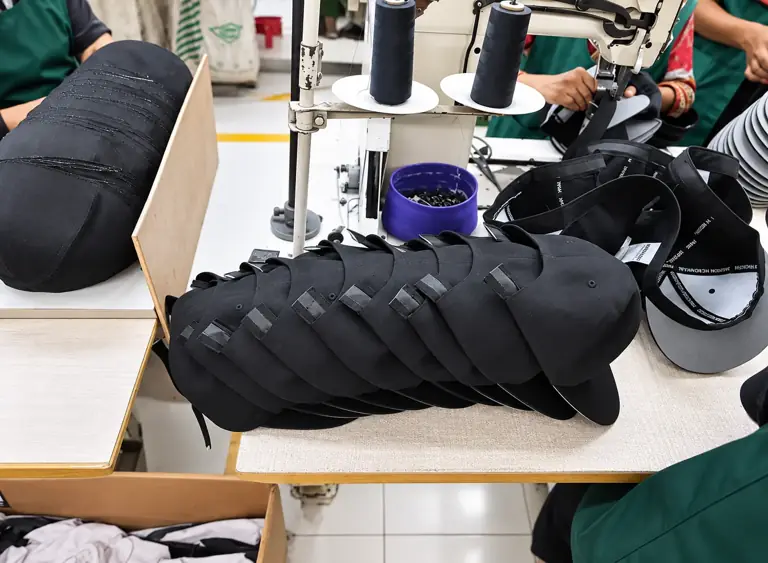
Choose the dimensions of the assortment
List the base constructions, colourways, size systems and decoration options intended for sale. Give each complete combination an item reference. Do not hide several closures or support types behind one style name.
Identify core items and options still being evaluated. Ask which variations serve a clear wearer or channel need. A smaller range with understandable records can be easier to order than a broad set whose differences are unclear.
Keep fit depth visible in the quantities
Where sizes are offered, record the quantity for each actual size and variant. For adjustable or stretch constructions, retain the relevant fit specification and sample coverage. Do not treat these systems as interchangeable stock categories.
Separate confirmed demand from a forecast or an intended repeat. Record any acceptable substitution as a buyer decision. A supplier should not replace one fit option with another merely to preserve the headline order total.
Connect item data with sample evidence
GS1’s trade-item identification overview explains trade-item identification where GTINs are used. Keep assigned identifiers and the responsible owner’s product data connected with the actual complete variant.
List the samples reviewed across the assortment and the combinations still uncovered. Retain the accepted cap, material and decoration references. Keep an untested performance statement out of the catalogue until appropriate evidence supports it.
| Check | Reference to retain |
|---|---|
| Range | Base constructions and meaningful alternatives |
| Variant | Colour, fit, artwork and item reference |
| Quantity | Confirmed depth and separate forecasts |
| Evidence | Accepted samples and uncovered combinations |
| Repeat | Current demand and reviewed product changes |
Replenish the item that was actually accepted
The wholesale order matrix helps reconcile quantities and item identity. Use consistent references in offers, purchase orders, cartons and receiving records.
For a repeat, compare changed materials, fit details and artwork with the retained reference. Show current demand and proposed quantity by item. A repeat order should identify both the intended stock mix and the product version, not simply the previous invoice total.
Explore the related headwear product. Share the cap reference, artwork, variant quantities and open development questions through Contact Wenext Caps so the next proposal or sample addresses the actual brief.