
A sublimation cap brief needs to explain both the proposed fabric and where the artwork belongs after sewing. A good flat print can lose an important feature in a seam or change the intended balance on the finished crown. Review the material, panel map and complete cap as connected decisions.
Use the performance cap buying guide to define the base cap, then use this checklist for the decoration decision.
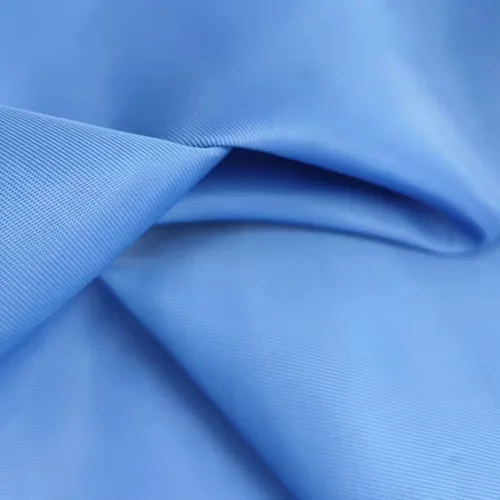
Confirm the actual substrate and print system
Identify the fabric reference, declared composition, base shade and finish with the proposed ink, paper and transfer route. Sawgrass’ sublimation press guidance lists polyester fabric among its substrates and explicitly treats its settings as a starting point. Obtain the applicable recommendations for the actual materials and equipment.
Do not release an unspecified cap merely because the quotation says sublimation. Record the relevant fabric and print-system compatibility, then examine the sample produced from that combination. If a different finish or base fabric is proposed later, make the change visible.
Map the graphic to the cap pattern
Identify the proposed panel layout and whether printing is planned before assembly or on the finished cap. Mark artwork direction, panel identity, seam allowance and the features that must remain visible. Give the sample team a complete reference rather than a cropped image without scale.
If an image crosses panels, define which alignments matter and how the sewn sample will be reviewed. Put critical lettering away from unresolved joining areas until feasibility is settled. The drawing should identify the intended result, not imply that a flat image proves seam continuity.
Approve printed colour on the selected fabric
Review the physical print and cap under agreed viewing conditions. Keep the artwork version, colour-management reference and accepted fabric together. The polyester material file helps separate fibre identity from the selected cloth construction and finish.
Check the surface, print boundaries, unwanted transferred marks and the appearance around seams. Where an important colour or detail is still open, record that point specifically. A photograph is useful for discussion, but it should lead to an accepted physical sample and the actual print route.
| Check | Reference to retain |
|---|---|
| Substrate | Actual fabric, composition, base shade and finish |
| System | Selected ink/paper route and applicable instructions |
| Panel map | Orientation, seam allowances and critical image features |
| Colour | Printed fabric and complete cap reference |
| Release | Accepted version, open substitutions and required evidence |
Retain the complete cap and relevant evidence
Review the printed panels after assembly with the visor, band, closure and any other decoration. Confirm that the released example represents the intended production state. Mark temporary components and identify whether they affect fit, appearance or print review.
Keep relevant care and use requirements in the brief, with the evidence needed to support them. Compare a different decoration route through the cap printing method checklist if the proposed substrate or artwork remains unsuitable. A repeat should identify the accepted combination and any changed inputs.
Discuss the proposed construction through the related cap product page. Send the artwork, cap reference, quantity breakdown and open questions through Contact Wenext Caps so the next sample or proposal addresses the actual requirement.