
“Rubber patch” can describe a look or feel without identifying the supplied material. Before approving a flexible cap badge, ask what the component actually is. The material record, relief, reverse and complete cap sample should support the wording used in the order and the final product description.
Start with the performance cap buying guide to settle the base construction. Use this checklist to prepare the related patch decision for that cap.
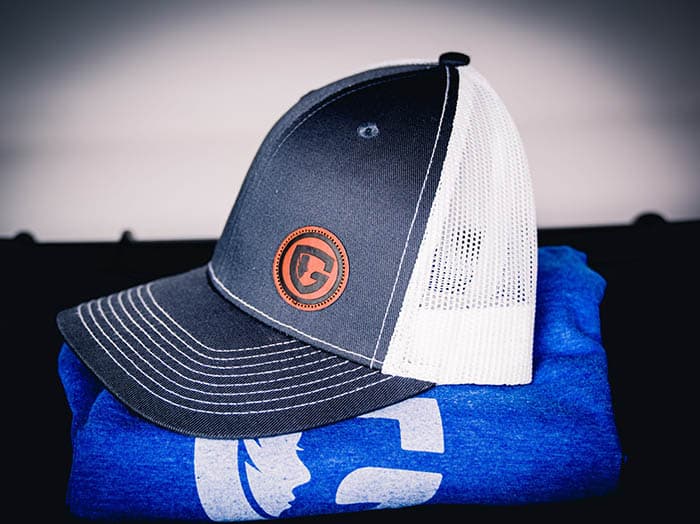
Replace a broad description with a component identity
Ask the supplier to name the proposed material and component reference. Keep any available technical information linked to that version. If the quotation and sample use different descriptions, resolve the difference before the purchase specification is released.
STAHLS’ PVC patch instructions describes a PVC product with a rubber appearance. That is a useful example of why appearance alone cannot identify a material family. For a specifically proposed PVC component, use the PVC relief and reverse review alongside the material record.
Describe the physical result the design needs
Identify raised and recessed areas, thickness, colour zones, surface finish and the desired flexibility. Use a physical sample to review readable detail and how the badge bends around the chosen crown. Agree the reference and any required measurements instead of using “soft” as the whole specification.
Look at the perimeter, narrow projections, small lettering and transitions between relief levels. Record which features are accepted and which need adjustment. A numbered sample makes the discussion clearer when two badges look similar but have different feel or geometry.
Connect every performance statement to relevant evidence
Water, heat, abrasion, sunlight and cleaning are different exposures. Identify what the intended use requires and what evidence would answer it. A flexible new sample does not establish weather resistance, washability or a service-life guarantee.
Keep the scope of any supplier test or declaration visible: component or complete cap, material reference, method, conditions and result where applicable. Do not turn a result for another badge or backing into a claim for this assembled product.
| Check | Reference to retain |
|---|---|
| Material | Actual family, supplier reference and sample version |
| Geometry | Relief, thickness, surface and readable detail |
| Feel | Accepted physical reference and relevant measurements |
| Evidence | Claim, component scope, method and applicable result |
| Attachment | Reverse, cap construction and accepted assembled sample |
Review attachment and any proposed substitution
Identify the reverse, backing and selected attachment. Check edge contact, crown distortion, apparent position and the cap’s inside finish. Use instructions applicable to the actual component and equipment where heat is proposed.
Retain the accepted badge and assembled cap together. If the material, thickness, backing, crown fabric or support changes, identify which earlier decisions need repeating. The repeat-order file should make a substitution visible before it becomes a different customer-facing product.
Discuss the proposed performance cap with Wenext Caps. Send the artwork, cap reference, intended quantity and open questions through Contact Wenext Caps so the next sample or quotation can address the actual brief.