
A PVC patch cap review should connect the front of the badge with its reverse and the crown beneath it. Raised artwork may look convincing as a loose component while the complete patch sits too stiffly on the cap. Approve the actual material and assembled shape together.
Start with the trucker cap buying guide to settle the base construction. Use this checklist to prepare the related patch decision for that cap.
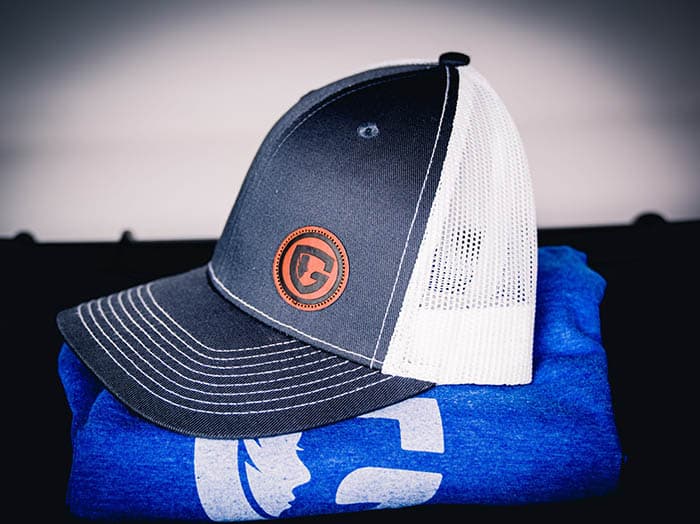
Identify the specified material and sample version
Ask for the proposed material reference rather than using “rubber look” as a composition statement. STAHLS’ PVC patch instructions describes its PVC product as having a rubber appearance. That appearance does not make all flexible badges the same material or establish the identity of an unrelated patch.
Use the rubber-style badge identity checklist when a quotation uses a broader description. Keep material information, sample identity and any required evidence attached to the proposed component. Do not add chemical, weather or certification claims from appearance alone.
Review relief at the finished dimensions
Mark the intended raised and recessed areas on the production drawing. Review letters, channels, outlines, corners, colour boundaries and surface finish on a physical sample at the proposed size. Ask the patch maker to identify details that need changing before the drawing is released.
Keep any simplified artwork as a numbered adaptation. There is no useful universal minimum letter or wall size to copy into every brief: the proposed construction and supplier route must resolve the actual design. Approve the result with the brand reviewer.
Check the reverse and attachment as a system
Identify the backing, edge or sewing margin and intended attachment route. Show how the patch follows the crown, clears panel seams and sits above the visor. Check the inside of the cap as well as the visible edge for an acceptable finish and wearer contact.
Use the actual component supplier’s instructions for any heat application, with the intended equipment and cap construction. Product-specific time, temperature or care values from another patch cannot release this combination. Record the development result and any unresolved edge lifting, distortion or marking.
| Check | Reference to retain |
|---|---|
| Identity | Proposed PVC material and component sample reference |
| Relief | Raised/recessed zones, readable detail and accepted finish |
| Reverse | Backing, margin and intended attachment route |
| Crown fit | Assembled curvature, placement and inside finish |
| Repeat | Accepted combination and changes requiring review |
Keep the accepted badge with the complete cap
Review the assembled sample from the front and side, while worn and after any agreed conditioning relevant to the intended use. Name the evidence behind a requested durability or care statement. Do not extend a successful appearance check into an unmeasured performance claim.
For repeat orders, retain the material reference, artwork, dimensions, reverse, accepted shade and complete cap sample. A change in backing, thickness, cap fabric or support should trigger a fresh review of the affected combination.
Discuss the proposed trucker cap with Wenext Caps. Send the artwork, cap reference, intended quantity and open questions through Contact Wenext Caps so the next sample or quotation can address the actual brief.