
A separate patch and a cap can each look acceptable while the assembled product still disappoints. Patch cap production needs a clear handoff between component approval and attachment to the crown. Assign responsibility for that join before the bulk order begins.
Start with the baseball cap buying guide to settle the base construction. Use this checklist to prepare the related patch decision for that cap.
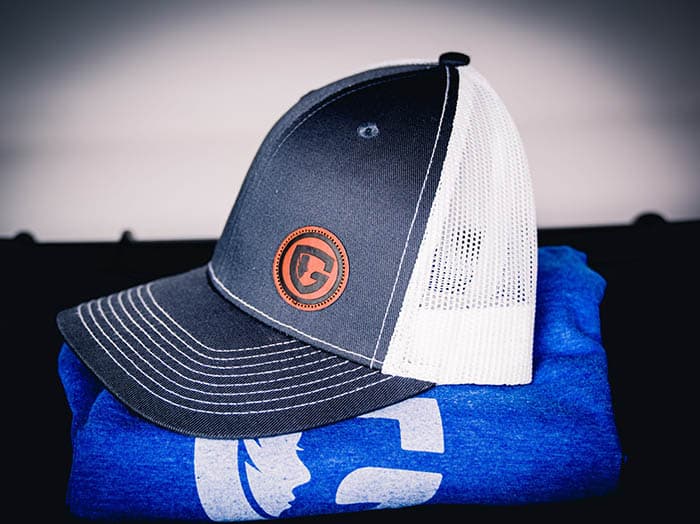
Name the operations and their owners
Ask which party manages the badge, cap body, finishing, attachment and packing. Record who accepts incoming patches and who signs off the assembled sample. This matters even when one company coordinates the complete order, because component and assembly decisions may happen at different stages.
Keep one component list showing the cap construction, patch revision, backing and proposed attachment. A supplier substitution should enter this list as a proposed change. It should not reach the attachment stage disguised as the originally approved input.
Approve the loose patch with a usable record
Identify dimensions, material reference, colours, perimeter, reverse and backing. Note what has been accepted and what remains provisional. Keep a physical reference or agreed representative set that the incoming-component check can use.
For stitched badges, use the embroidered component checklist; for fine woven artwork, use the woven patch review. The checks should follow the actual component rather than one generic badge description.
Release attachment on the intended crown
Use the proposed cap fabric, support and crown shape. Review placement, edge security, puckering, local stiffness and the inside finish. STAHLS’ embroidered patch instructions distinguishes its own backing options and equipment instructions, illustrating why a general patch name does not define a universal application recipe.
Record the selected route and relevant process reference with the assembled sample. If heat is used, obtain the actual component and equipment instructions and review the result on that cap. If sewing is used, show the intended stitch path and how it clears the logo and border.
| Check | Reference to retain |
|---|---|
| Scope | Operation owners and final approval responsibility |
| Components | Cap specification, patch version and reverse/backing |
| Loose badge | Accepted physical reference and provisional details |
| Assembly | Placement, attachment route and complete sample |
| Release | Early assembly check, change record and packing reference |
Use an early assembly check before repeating the operation
Compare the first agreed production reference with the accepted complete sample. Separate a patch defect from a placement or attachment defect in the record so the responsible operation can be corrected. Agree what must stop and who may release the next stage when a discrepancy appears.
Keep component batches, sample identities and approved changes linked through packing. The final review should cover the complete cap and its presentation. A passed loose-patch check alone does not close the finished-cap release.
Discuss the proposed baseball cap with Wenext Caps. Send the artwork, cap reference, intended quantity and open questions through Contact Wenext Caps so the next sample or quotation can address the actual brief.