
A logo that looks clear on a large screen can lose its character on a small cap patch. For custom logo patch hats, settle the readable artwork and finished badge size before approving a colour rendering. The border and the curved crown both take space that a flat mock-up can hide.
Start with the baseball cap buying guide to settle the base construction. Use this checklist to prepare the related patch decision for that cap.
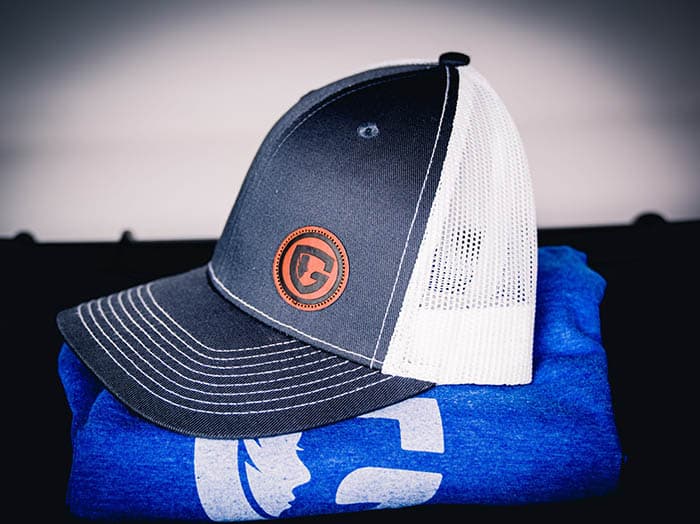
Keep the brand master separate from the production file
Start with the authorised logo version and its intended cap colour. Keep the original vector master, then name each proposed patch adaptation. If a small letter, narrow gap or outline needs changing, show that change to the brand approver rather than quietly replacing the master.
Prepare an actual-size view as well as the enlarged drawing. Record the finished patch width and height, the visible logo area and the proposed perimeter. This gives the designer and supplier one reference when they discuss what can remain readable.
Compare the mark in the proposed patch process
A woven badge, an embroidered badge and a moulded emblem can interpret the same lines differently. Use the woven detail checklist or embroidered patch review for the selected route. Request a physical development sample when the important detail is still uncertain.
STAHLS’ woven patch information describes an interlaced construction with different edge and backing choices. Those choices illustrate why a process name alone is not an artwork approval. Keep the supplier’s actual sample, edge and backing with the released drawing.
Place the patch on the complete crown
Check the badge on the chosen cap, viewed from the front and side and while worn. A patch can appear level on a flat template yet sit awkwardly across a curved or lightly supported front. Look at its distance from the visor, nearby seams and the apparent centre of the logo.
Agree the placement reference points and any acceptable variation. Review the reverse for exposed attachment, local stiffness and wearer contact. If the cap construction changes, repeat the placement review rather than carry over coordinates without checking the new shape.
| Check | Reference to retain |
|---|---|
| Artwork | Authorised master and separately numbered patch adaptation |
| Scale | Finished badge size and actual-size readable logo |
| Patch | Process, perimeter, backing and accepted component |
| Placement | Cap reference, measurement points and wearing views |
| Release | Accepted complete sample and outstanding substitutions |
Release one complete visual reference
Keep the artwork revision, patch sample, cap sample and colourway together. Note any temporary thread, fabric or backing so that it cannot be mistaken for the accepted combination. Photograph the approved cap at useful angles, with the physical reference retained for later comparisons.
A repeat order should identify that same set. A new logo version, patch size, crown fabric or attachment route is a change to review. This makes a reorder decision more useful than a request to reproduce the last photograph.
Discuss the proposed baseball cap with Wenext Caps. Send the artwork, cap reference, intended quantity and open questions through Contact Wenext Caps so the next sample or quotation can address the actual brief.