
An OEM cap technical file should allow the proposed product to be identified without piecing together contradictory emails. It connects the pattern, materials, measurements, artwork and item-specific differences with the sample that was accepted. A folder containing every development version still needs a clear release index.
Use the OEM handoff responsibility map to assign inputs and decisions. This checklist organises the actual product file so the accepted references and unresolved details remain easy to find.
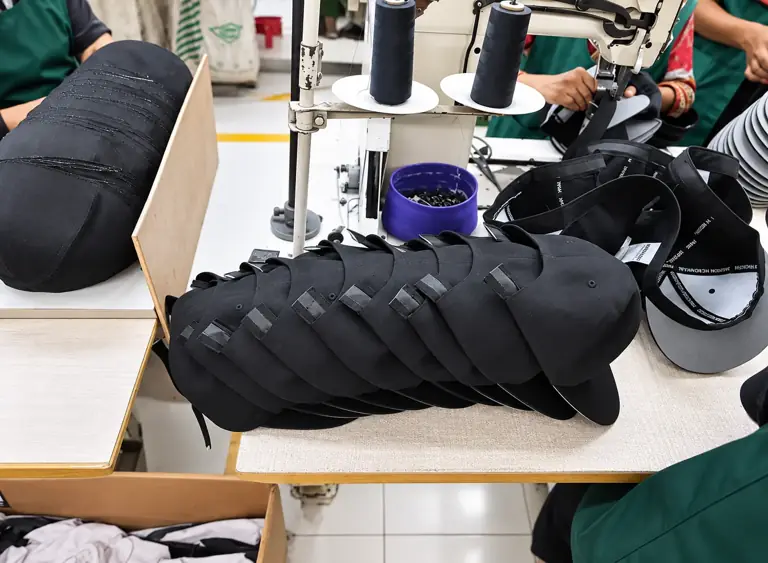
Start with a release index
Give the cap a style reference and identify the specification revision. List the controlling drawings, measurement sheet, bill of materials, artwork and packing files. Mark the accepted sample identity and any approved exceptions.
Keep the active release set distinct from earlier proposals. When a file changes, update the index and explain the affected feature or item. A drawing date and an artwork filename should not leave the supplier guessing which combination was accepted.
Build the bill of materials from actual components
Identify the shell, support, sweatband, visor, closure, thread, decoration and relevant trims. Include the component references and information agreed for the project, such as composition, construction, dimensions or finish. Keep a proposed substitute visible until it has been accepted.
Map shared components and colourway-specific differences to the finished items. The wholesale cap order matrix helps connect those differences to quantities and allocations without turning the bill of materials into a second uncontrolled order list.
Keep measurement and artwork methods explicit
Provide marked measuring points, units and cap condition. Use the cap-fit brief for relevant wearer and sample-review information. Record the agreed tolerances and which sizes or settings the accepted reference covers.
For each graphic, identify the artwork revision, method, finished dimensions, colours and location reference. Include the accepted application sample where required. A flat artwork proof and a decorated cap can answer different approval questions.
| Review field | Record for the project |
|---|---|
| Product identity | Style, specification revision and accepted sample |
| Component file | Bill of materials and applicable colourway differences |
| Measurements | Marked method, units, cap condition and agreed tolerances |
| Branding | Artwork, dimensions, placement and accepted application |
| Release record | Packing files, open exceptions and final confirmation |
Connect the file with production review
Agree which criteria and records apply when the cap is checked. If acceptance sampling is specified, include its agreed basis with the review scope. ISO 2859-1 describes acceptance sampling by attributes; the order still needs defined product criteria and responsibilities.
For a size-specific construction, use the fitted cap guide and fitted product page. Send the release index and outstanding inputs through Contact Wenext Caps to review the proposed OEM work.