
Fitted Cap Sizing and Buying Guide
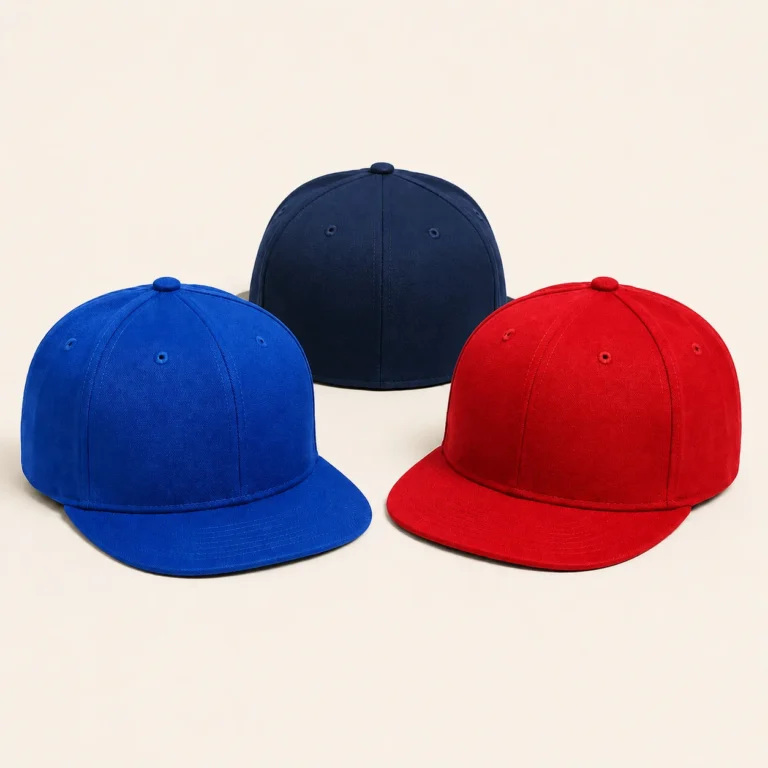
A fitted cap order starts with the size system. A closed back may look simple, but it leaves no rear strap to adjust a fixed-size cap. This fitted cap buying guide helps you define sizes, crown shape, materials and sample checks before deciding the quantity to order.
For manufacturing enquiries, review the Wenext Caps fitted cap product page. Use this guide to prepare the specification and identify which choices still need development.
Confirm which fitted construction you mean
State whether the order is for individual fixed sizes or a closed-back construction with a defined stretch range. These need different approval and assortment decisions. A photograph of the rear of a cap cannot establish the intended size system.
This guide focuses on fixed-size fitted caps. If you want size bands with stretch, compare the stretch-fit sizing guide and the stretch-fit cap product page before finalizing the brief.
Build a size chart for the actual product
List the intended size labels and the head measurements they are meant to serve. Keep units explicit and agree how the finished cap will be measured. A nominal label, a wearer’s head circumference and a finished-cap measurement are related references, but they are not interchangeable instructions.
New Era’s sizing chart is an example of a brand-specific size system. Use it to understand why the chart must identify the product and method; do not assume its conversions automatically define a custom Wenext Caps order.
Review fit and crown shape together
Choose a reference that shows the intended front height, crown depth and overall silhouette. Review the cap worn in the intended position. A circumference check alone does not describe pressure points, crown depth or the way the cap sits above the ears.
Specify front structure and panel layout separately. A supported front and a soft crown give different appearances, while a center seam can affect the decoration area. Keep front, side, rear and inside views with the controlling sample reference.
Approve a size set, not only one middle size
Agree which sizes need physical samples and how the remaining sizes will be reviewed. Check the ends of the intended range as well as the reference size. Record the measurement points, method and accepted tolerances before assessing the samples.
Have the team identify any changes in crown shape, visor relationship or decoration position across the size set. If one sample is revised, record the affected sizes rather than assuming that approval of a single cap covers every version.
Specify fabric, sweatband and visor references
Record the fabric reference, stated composition, color and any agreed weight or finish. Review the crown fabric with the sweatband and internal components on the finished sample. If a material changes, assess its effect on the accepted fit and appearance.
State the visor profile as supplied, its measurement references, underbrim color and stitch layout. A fixed-size fitted cap can be developed with different visor profiles; “fitted” does not settle that design choice. Compare the complete silhouette from the front and side.
Review the logo on the finished construction
Provide clean artwork with finished dimensions, thread or patch colors and placement references. For a design near a seam, check the actual decorated cap. Review small lettering, open spaces and raised areas at the intended size instead of approving only a large screen proof.
Check whether placement needs a size-specific reference across the range. Keep the decoration trial, accepted artwork revision and inside finish with the approved sample. Use only artwork you are authorized to reproduce.
Plan the size ratio before committing the order
List the quantity of each size for every style, colorway and artwork version. Use your own wearer, sales or collection information to decide the assortment. There is no universal size ratio that can be assumed to suit every market or audience.
Keep item codes distinct where similar caps differ only by size or logo. Confirm minimum quantities, sampling charges, quotation scope and timing for the actual breakdown. Identify proposed substitutions or quantity changes before treating the assortment as approved.
A practical fitted-cap approval checklist
- Size system: fixed sizes, labels, intended head measurements and checking method are defined.
- Fit: the agreed size set is reviewed on complete caps, including the ends of the range.
- Shape: crown depth, front structure, panels and visor profile match the accepted references.
- Materials: fabric, sweatband, reinforcement and colors are recorded for each combination.
- Branding: artwork, finished dimensions, placement and inside finish are approved.
- Order records: item codes, size ratios, label data, packing instructions and sample revisions agree.
Record open questions and the person responsible for resolving them. An approval should identify the sample and specification it covers, including any provisional component that still needs confirmation.
Check labels, carton contents and repeat orders
Make size labels easy to reconcile with the item code and packing list. State whether cartons contain one size or a mixed ratio, and identify the contents clearly. Review the cap after unpacking so the supplied crown and visor retain the agreed presentation.
For a reorder, provide the approved sample and technical-file revision alongside the new size breakdown. Confirm whether materials or decoration remain available and review any proposed change. Keep a new approval identifiable instead of silently replacing the earlier reference.
Related planning resources
Start with design and size approval, then use the relevant production or order guide as your project develops.
Design, samples and technical files
- Preparing the first-sample design brief
- Sample rounds and size-set approval
- OEM measurements, size grading and file revisions
Fit and silhouette
- Choosing fitted, adjustable or stretch size systems
- Flat-brim silhouette across the size set
- Wearer fit review and specific sample feedback
Branding and finishing
Production and quality
- Size bundles, operation routing and handovers
- Production milestones, dependencies and changes
- Size-specific measurements and inspection checks
Order planning and repeat orders
- Wholesale size ratios, item codes and receiving
- Comparing quotation scope and included costs
- Bulk size-run balances and split releases
- Team size rosters, kit versions and personalization
- Repeat-order references and material changes
Supplier review
Related construction guides
Use the Baseball Cap Buying Guide for a broader comparison of cap construction, or the Snapback Cap Buying Guide when considering a rear adjustment. Choose the construction before treating the size and quantity plan as final.
Common fitted-cap buying questions
Is a fitted cap the same as a stretch-fit cap?
Identify the actual construction in the brief. An individual fixed size and a stretch size band need different fit checks and assortment records, even though both can have a closed back.
Can one sample prove the fit of every size?
Agree a size-set review that covers the intended range. Keep the measured and wearer-review results attached to the sizes actually checked.
Can I reuse another brand’s size chart?
Use outside charts as references, then establish the size labels, intended measurements and approval method for your own product. Confirm the fit on the actual samples.
Prepare your fitted-cap specification
Review the main fitted cap product page, then send Wenext Caps your size and design brief. Include the reference cap, size system, artwork, colorways, quantities by size and any timing that needs review.