
A fitted cap fit review should explain how the sample sits on its intended wearer, not only whether the size label looks correct. Measurements provide a repeatable reference; a wearer trial adds observations about depth, contact points and stability in normal use.
Use the Fitted Cap Sizing and Buying Guide to establish the size system. This guide helps buyers turn sample feedback into specific information a development team can review.
Identify the sample and the intended worn position
Record the style, size label and sample revision before the trial. Note whether the cap uses the final fabric, sweatband and decoration. A provisional component may need another check when the final combination is available.
Agree how the cap is meant to sit. Front height, the position above the ears and the visor angle should be assessed against that design direction. Keep photographs of the intended profile with the sample record.
Use the agreed measurement method consistently
Record the wearer’s relevant head measurement using the agreed method and units. Check the finished cap using its defined measurement points. Keep those two records distinguishable instead of treating a nominal label as the measured value.
New Era’s sizing guide includes a head-measurement method for its own caps and charts. Use outside guidance as a reference, then confirm the method and size system used for the custom product being reviewed.
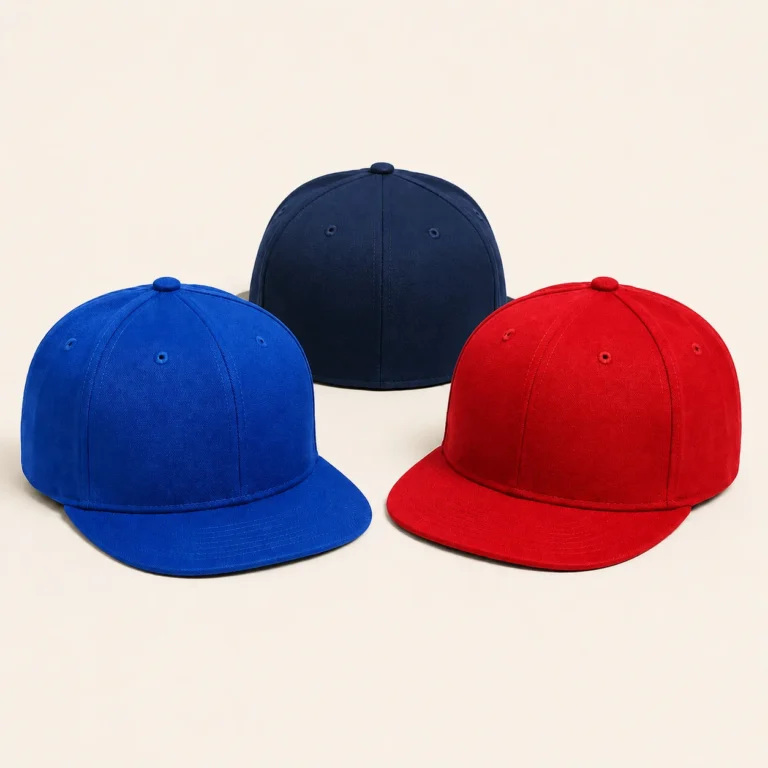
Describe where the fit needs attention
Replace a general comment such as “too tight” with the location and circumstances of the observation. Note whether the wearer feels pressure at the front, sides, rear or a particular inside detail. Record whether the cap was sitting in the intended position.
For a loose sample, describe the movement or gap observed and the relevant setting or size. Keep the feedback factual. The development team can then compare the observation with the sample measurements and construction before proposing a change.
Review crown depth and inside contact areas
Check the relationship between crown depth, the top of the head and the position above the ears. Compare front, side and rear views. A circumference that matches the chart can still leave the buyer with a silhouette or worn position they did not intend.
Review the sweatband, label edges, seam finishes and any decoration backing where they contact the wearer. Identify the exact detail that needs adjustment. The fitted trim approval guide helps connect that observation with label placement and attachment records.
Include normal movements relevant to the use
Agree a practical trial for the intended use, such as looking down, turning the head or moving normally while wearing the cap. Record the activities actually checked and whether the cap stays in its intended position.
Keep this buyer trial separate from any formal performance test the project requires. If a particular performance claim matters, define the applicable evidence and acceptance criteria before using that claim in the product description.
Use a repeatable fit-review sheet
| Review area | Information to record |
|---|---|
| Sample identity | Style, exact size label, revision and component status. |
| Measurement references | Relevant wearer measurement and finished-cap checks, with methods and units. |
| Worn position | Intended front height, position above the ears and visor angle. |
| Contact observations | Location of pressure, gaps or an inside detail needing review. |
| Movement | Activities checked and any change in cap position. |
| Shape | Front, side and rear appearance against the reference. |
| Next action | Requested review, affected size and the sample needed for confirmation. |
Keep wearer variation visible
Where the review includes several people, keep each observation identifiable with a simple trial reference. Do not average different experiences into a single “fits well” comment. Similar head circumferences do not describe every part of head shape or wearing preference.
Record which sizes were checked and which remain outside the trial. The fitted size-set silhouette review helps plan a broader comparison across the intended range.
Confirm the revised result before approval
When a change is proposed, identify whether it affects a measurement, material, seam, label or another component. Keep it connected to the OEM fitted specification and record the sizes covered by the revision.
Review the revised sample against the original finding and check for effects elsewhere on the cap. Retain the accepted sample and trial record as references for the production brief.
Common fitted-cap fit questions
Does the correct label prove the cap fits?
Check the label against the approved size specification, then assess measurements and the worn result on the intended sample.
Should a pressure comment automatically change the whole size chart?
Identify the location, sample and construction involved first. Review the evidence before deciding which change and sizes are affected.
Can one person’s trial approve every size?
Record the actual trial scope and agree the remaining size-set checks needed for the intended audience.
Review a fitted-cap sample
Review the fitted cap product page, then send Wenext Caps your sample and fit observations. Include the size reference, measurement method and the specific points that need review.