
Wholesale fitted caps need a size assortment that can be counted, received and sold without confusion. The total order quantity is only one figure. Buyers also need a clear breakdown by size, style, colorway and artwork version.
Use the Fitted Cap Sizing and Buying Guide to establish the product and approved size system. This guide focuses on turning that system into a wholesale assortment and receiving record.
Build the assortment from your own demand information
Use relevant sales history, wearer measurements, preorders or collection planning to decide the quantities. Keep the source and limitations of that information visible. A new style or new market may need a different size mix from a previous collection.
There is no universal ratio to assume for every fitted cap order. Review the proposed breakdown with the commercial and production teams, including any minimum quantity conditions for a style or color. Distinguish the requested mix from the confirmed order.
Keep one row for each sellable variant
Create a row for each combination that must remain identifiable. If two caps have the same color and size but different artwork, give them distinct item references. Preserve size labels exactly, including any formatting your system uses.
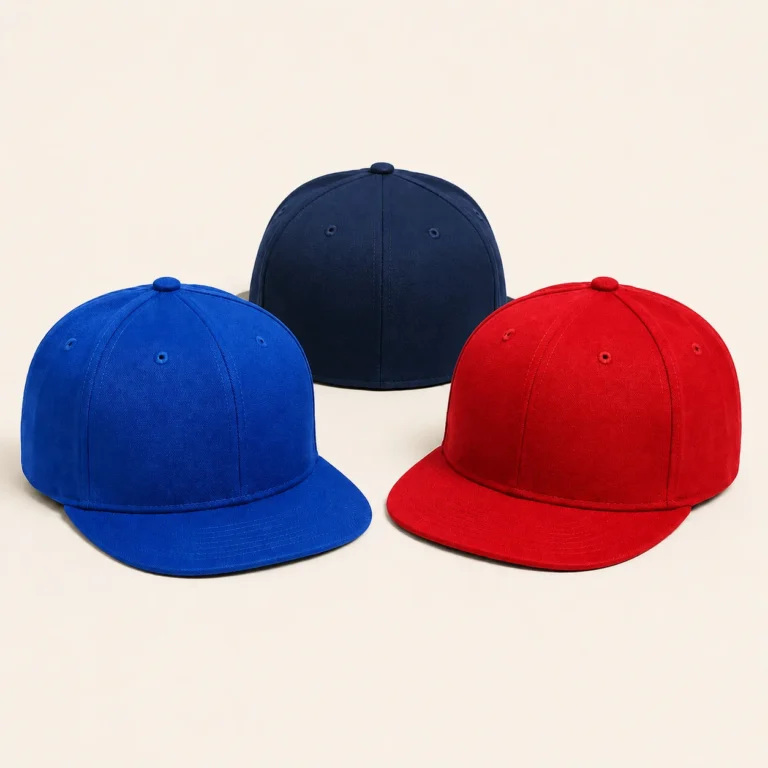
For illustration, a navy cap in two sizes is two assortment rows even if both use the same logo. Adding a red version creates additional rows. This approach makes a missing size visible instead of hiding it within a correct overall total.
Decide how the receiver will identify each variant
Agree item codes, size labels and any retail barcode data before printing. Keep the internal stock code and any external identification system clearly named. Ask the responsible brand or retail team to approve the data and the label proof.
GS1 explains the GTIN as an identifier for trade items. If your channel uses GTINs, obtain the applicable numbers and variant assignments from the responsible party. Do not create a barcode by treating an internal SKU as a verified GS1 number.
Choose single-size or mixed-size cartons
State whether each carton contains one variant or an agreed mixture. For mixed cartons, list the quantity of every included size and color. A carton described only as “assorted” is difficult to reconcile with a detailed purchase order.
Identify the final partial carton separately where it differs from the standard pack. Approve carton marks and the packing-list format so the receiver knows which carton range contains each item.
Use an assortment and receiving worksheet
| Field | What to reconcile |
|---|---|
| Item reference | Style, colorway, artwork version and exact size label. |
| Order quantity | Approved units for that variant and the controlling revision. |
| Identification | SKU, label data and approved barcode where required. |
| Carton contents | Single-variant pack or the exact mixed assortment. |
| Carton range | References that connect packed goods with the packing list. |
| Received quantity | Count for each variant and any discrepancy to investigate. |
| Balance | Outstanding or adjusted units with an explanation. |
Keep assortment revisions traceable
When a size quantity changes, update the affected row and overall total. Identify whether the revision changes only the mix or also the total order. Ask for any effect on materials, production, packing or timing to be reviewed before the change is accepted.
For a repeat order, copy the approved product references into a new order record and enter the new size mix. Do not overwrite the earlier assortment in a way that makes a previous shipment difficult to reconstruct.
Check the delivery by variant
At receiving, compare carton references and counts with the current packing list. Check item labels and record the quantity of each size. An overall count can be correct while one size is over-supplied and another is short.
If a discrepancy appears, identify the carton and variant involved, with photographs or counts that support the finding. Keep the dispatch and receiving records together while the parties agree the correction.
Common wholesale assortment questions
Can I use the same size ratio for every collection?
Review the ratio against the intended audience and your available demand information. Confirm the breakdown for the actual style and market.
Can one carton contain several sizes?
Request the intended mixture and agree the exact contents, carton marks and packing-list references before packing.
Is a correct total count enough at receiving?
Reconcile each variant as well as the overall total so size or color substitutions do not go unnoticed.
Plan a fitted-cap wholesale assortment
Review the fitted cap product page, then send Wenext Caps your size and quantity breakdown. Include the approved size system, item identifiers, packing preference and destination requirements for review.