
A fitted cap production schedule is easier to manage when each date names a deliverable and its dependencies. “Ready next month” leaves too much unanswered: ready for sample review, inspection, packing or dispatch?
Use the Fitted Cap Sizing and Buying Guide to define the product. Then build a milestone record that connects the approved size set, materials, artwork and order quantities with the proposed production plan.
Start with a clear approval baseline
Identify the specification, sample and artwork revisions used for scheduling. Record which sizes and colorways those approvals cover. If final labels or a material color remain open, show that exception beside the work it affects.
The OEM fitted specification guide helps establish that baseline. A schedule should use the actual approval scope rather than assume that accepting the first sample also approved every size and trim.
Name the result expected at each milestone
Separate development sample review, size-set approval, material confirmation, production completion, inspection and shipment preparation. State what evidence or deliverable will show that a milestone is complete.
For example, “size-set review complete” should identify the samples and sizes accepted and any remaining conditions. That is more useful than a date attached to a general “sampling” label.
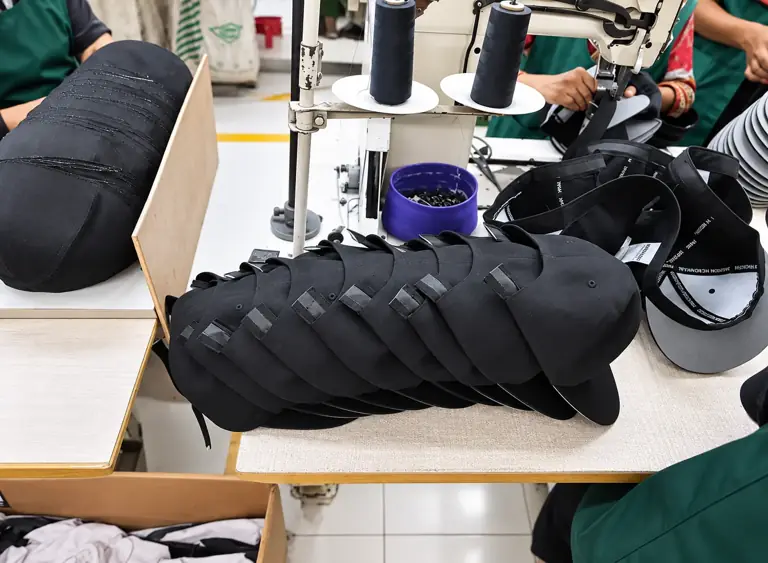
Distinguish requested, confirmed and actual dates
Keep the buyer’s requested date visible alongside the confirmed plan and eventual completion date. State the milestone each figure describes. This allows the team to see whether a request has been assessed or is still awaiting a feasibility response.
Identify the next decision needed when a dependency is unresolved. A requested event or arrival date is useful planning information, but it needs to be reviewed against the actual product, quantity and delivery arrangement.
Assign an owner and a next action
For each open approval, record who must provide or review the information. Specify the material swatch, artwork proof, sample or document that is needed. Keep the next action small enough to be completed and checked.
Use the factory routing and handover guide to understand where the result will be used. The buyer milestone record and the factory’s operation records should refer to the same controlling versions.
Use a production milestone register
| Schedule field | What to identify |
|---|---|
| Milestone | The specific sample, approval, production or release result expected. |
| Scope | Styles, sizes, colorways and quantities covered. |
| Controlling version | Specification, artwork, trim and sample references. |
| Dependency | Information, materials or decisions required before the next step. |
| Date status | Requested target, confirmed plan and actual completion where available. |
| Responsibility | Person or team providing, reviewing or releasing the result. |
| Open action | Unresolved point, next step and effect requiring review. |
Review a change before replacing the plan
When artwork, a size value, a label or an order quantity changes, identify the affected items and work already completed. Ask the responsible teams to review materials, sample requirements, production, packing and the schedule impact.
Record the revised decision and the version it replaces. Keep the original plan available with the explanation for the change. That preserves a useful history instead of making an earlier commitment appear to have always used the new conditions.
Keep inspection and release decisions visible
Production completion should be distinguishable from an inspection outcome and an authorized shipment release. Identify the relevant fitted-cap quality checks and any findings that still need action.
For partial deliveries, connect milestones with the size-run release register. A completed early batch does not describe the status of the whole order.
Separate delivery responsibilities from calendar promises
Record the agreed delivery basis, destination and parties coordinating the movement. The ICC overview of Incoterms® rules explains their role in delivery tasks, costs and risks. Keep the named place, version and actual shipment milestones explicit in the order records.
Review any difference between production completion, dispatch and required arrival with the responsible logistics parties. Keep changes to the shipment plan connected to the relevant release and destination.
Common production-schedule questions
Does approving one sample start every part of production?
Confirm the approval scope and any outstanding size, material, decoration or commercial conditions for the actual order.
How should a revised logo be added to the schedule?
Identify the affected work and request a review of the new proof, materials, production and timing before the revised plan is accepted.
Does production completion mean the goods have shipped?
Keep completion, inspection, packing and dispatch as distinct milestones with their own status and evidence.
Discuss a fitted-cap production plan
Review the fitted cap product page, then send Wenext Caps your specification, quantity breakdown and requested dates. Identify the milestones and open approvals that need a feasibility review.