
A baseball cap can have the requested head-opening measurement and still sit differently from the reference. Crown depth, the band, rear opening and visor all influence the worn shape. A useful fit review records where the difference occurs, so the next sample changes the right part of the cap.
Start with the Baseball Cap Buying Guide for the overall brief. This article focuses on reviewing the complete cap’s fit and recording observations that the sample team can act on.
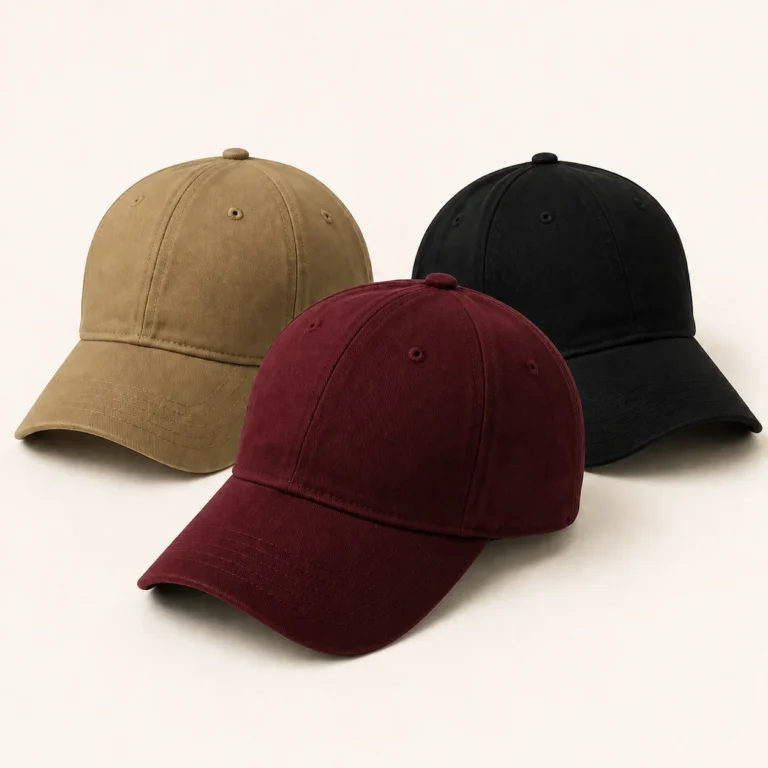
Identify the wearer and sample before commenting
Record the sample version, proposed size and intended wearer measurement range. Show how the head measurement is taken and the wearing position being reviewed. If the cap is adjustable, record the actual closure setting used.
New Era’s sizing chart is a manufacturer example of head measurement and size presentation. Use the buyer’s agreed chart and the actual cap reference for the project; another brand’s size labels do not automatically define the fit of a new pattern.
Check the band and crown depth together
Describe where the band sits and any pressure or looseness observed. Note whether the cap sits at the intended height and how the crown meets the head. A comment such as “too tight” is more useful when it identifies the location and sample setting.
A change to the head opening may not resolve a crown that is too shallow or deep for the intended fit. Review those features together before changing the pattern. Keep front, side and rear views so an adjustment can be compared with the earlier sample.
Review the visor in the intended wearing position
Record the visor’s projection, width and accepted curve reference. Observe its position while the cap is worn, including any routinely worn eyewear that belongs in the brief. Distinguish a requested change to the visor from a change caused by how the crown sits.
Check the visor-to-crown join, symmetry and the front profile as a whole. A flat table photograph can show stitching and shape, while the worn view answers a different question about balance and position. Retain both where they help explain the decision.
Include the rear opening and adjustment arrangement
Look at the rear opening, strap path, hardware and loose end at the agreed settings. Record whether the closure arrangement interferes with the intended wearing position. Identify the actual component reference rather than commenting only on a generic closure name.
If the size system is still undecided, the fitted versus adjustable baseball cap comparison explains that earlier choice. A fit review should then use the measurement and adjustment method selected for the actual sample.
Turn observations into a revision brief
| Record | Useful detail |
|---|---|
| Reference | Sample version, size and closure setting |
| Observation | Specific location and worn-position issue |
| Proposed change | Dimension or construction detail to review |
| Coverage | Wearer range, sizes and materials represented |
| Decision | Accepted features and changes needing another sample |
Compare the revised sample against the same reference and method. Check whether a change affects another feature, such as visor position or closure travel. Keep material substitutions visible so a pattern revision is not assessed against an unidentified fabric change.
For development options, use the Wenext Caps baseball cap product page. To prepare a proposal, send the cap fit brief with the measurement chart, annotated views, wearer range and sample comments.