
An embroidered cap sample review should cover the whole cap as well as the stitched face. Readable artwork, balanced placement and a tidy reverse all contribute to the accepted product. Use the actual proposed construction so the observations can guide production and later repeats.
The baseball cap buying guide provides a related construction reference. Use this checklist to prepare the relevant branding or embroidery decision.
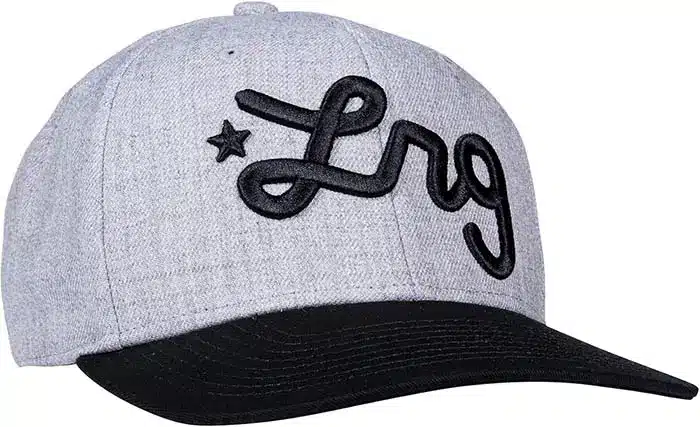
Start with an identifiable cap and artwork version
Record the cap style, fabric, support, logo version, finished dimensions and intended position. Identify whether the sample is an early trial or a proposed release reference. Mark any temporary component that may affect the result.
Review the design at actual size. Look at letters, open spaces, outlines and the relationship between filled and unfilled areas. If the mark needs changing for thread, keep the authorised master and the proposed adaptation as separate versions.
Review the stitched face and colour boundaries
Check readable detail, coverage, loose threads and registration where colours meet. Use the flat embroidery detail review for small-letter questions, or the raised-effect comparison when dimension is part of the brief.
Compare the actual thread appearance with its accepted physical reference. Avoid judging a tonal mark only under one convenient light or through an enlarged photograph. Keep unresolved points specific so a later sew-out can be reviewed against the same issue.
Check placement and the reverse on the complete cap
Look at the cap from the front and side and while worn. Review apparent centring, seam relationships, visor clearance, crown distortion and local stiffness. Madeira’s embroidery backing guide offers background on matching support to the material and design; the finished sample remains the product reference.
Turn the cap over and examine trimmed threads, backing edges and wearer-contact areas. Note any rough, bulky or unfinished point that needs resolving. A tidy close-up of the front does not close an unreviewed inside finish.
| Check | Reference to retain |
|---|---|
| Identity | Actual cap, artwork, dimensions and sample purpose |
| Stitched face | Readable detail, coverage and colour registration |
| Placement | Wearing view, seams, visor and crown shape |
| Inside | Trimmed threads, backing finish and wearer contact |
| Decision | Accepted points, corrections and released references |
Record the decision and the reference it covers
State accepted points, required corrections and remaining provisional inputs. The production handoff checklist connects those decisions with the released files, early-piece check and packing.
Retain the accepted complete sample, artwork and relevant material references. For repeat work, identify changed cap construction, logo size, thread or support before deciding which checks still apply. Keep care and performance statements tied to appropriate evidence rather than extending a visual sample approval into an unsupported claim.
Discuss the proposed construction through the related cap product page. Send the artwork, cap reference, quantities and open questions through Contact Wenext Caps so the next proposal or sample addresses the actual brief.