
The mesh on a trucker hat affects its appearance, hand feel and fit. Its stiffness, surface and relationship with the front panels influence how the finished cap sits on the head. Two swatches can look similar in a photograph and still produce noticeably different caps.
Choose mesh-back trucker hats by reviewing the material and the assembled sample together. Use our custom trucker hat guide for the complete development brief, then use the checks below to define the mesh and its connection to the crown.
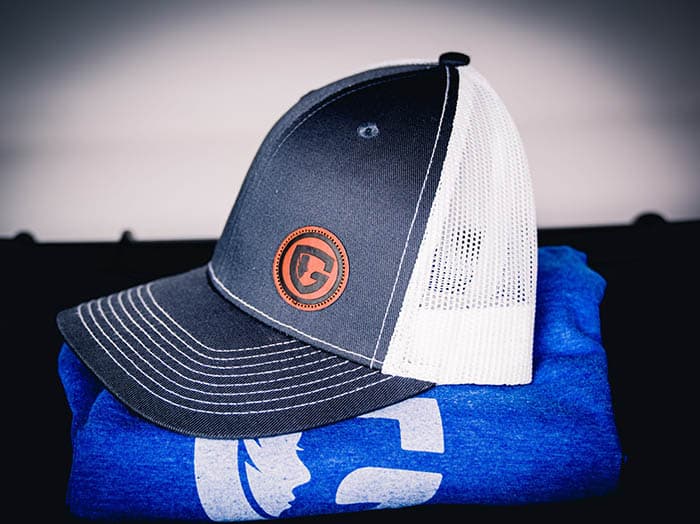
Describe the mesh beyond its color name
Ask for the proposed material reference and composition, along with the weight, opening pattern and finish relevant to the order. Keep a physical swatch with the specification. “White mesh” is not enough to identify a replacement material months later.
Photograph the swatch against a consistent background and include a scale reference if the opening pattern matters to the design. Record the supplier’s material code, but do not rely on that code alone. Your retained sample helps identify differences when another proposed mesh has a similar name.
Compare opening pattern and surface feel
Look at how open or fine the mesh appears, how it feels against the hand and how clearly the inside of the cap shows through it. These details influence the visual style as well as the wearing experience. A fine mesh can look different from a coarse opening even in the same nominal color.
Compare candidates under the same light and similar tension. Avoid deciding from a tightly stretched swatch beside a relaxed one. Check both sides and the cut edges, then handle the material as it would sit around the side and rear of a cap.
Approve softness and shape on a finished cap
A soft mesh can feel pleasant in the hand yet sit too loosely for a particular crown. A firmer mesh may support the shape but feel different around the rear opening. Match the hand feel to the intended cap profile instead of treating softness as the only quality measure.
Try the sample at several usable closure positions. Watch for loose pockets, pulling at the side junctions and changes in the front angle. For the wider adjustment review, see our snapback trucker hat fit checklist.
Match mesh tension to the solid front
Review the front fabric or foam, reinforcement and mesh together. If the back pulls too strongly, it can change the way the front stands. If there is excess ease at the junction, the cap may show ripples or an uneven side profile.
Compare both sides of the assembled cap. Check the transition at the sweatband and the way the side seams meet the visor area. When a material changes, repeat this review rather than assuming an approved pattern will behave identically with every mesh.
Check color across different surfaces
A mesh and a solid woven front do not present color in the same way. The background visible through an open mesh can affect how it looks in photographs. Approve whether your design calls for a close match, a tonal combination or a deliberate contrast.
Place the selected mesh, front fabric, closure and binding together under consistent viewing conditions. Keep the approved combination identified by colorway. Our colorway and logo placement guide explains how to connect those references with the correct artwork version.
Plan labels and decoration on the open structure
A logo application that works on a woven front may need different support on mesh. Review attachment, backing visibility and comfort from the inside. The rear of the cap should be checked as carefully as its main front logo.
If an inside label sits behind an open panel, consider how much of it will show through. Keep the label position, thread color and attachment method in the sample brief. For embroidery, compare the actual decorated mesh with the approved artwork and the wearer-facing finish.
Use evidence for measurable airflow claims
If an airflow figure matters to the purchase, agree an appropriate laboratory method and test conditions before comparing numbers. ISO 9237 describes a method for measuring fabric air permeability and is a reference to discuss with the laboratory.
A swatch result does not by itself describe the comfort of an assembled hat in use. Front coverage, fit and other components still matter. Keep any published performance statement tied to the material or product actually assessed, with the supporting report available for review.
Inspect the mesh through production and packing
Look for snags, damaged openings, uneven seams, needle damage and binding that pulls the rear opening out of shape. Compare the left and right panels for symmetry and tension. Check shade consistency against the retained reference rather than a screen image.
Inspect the cap again after finishing and packing trials. The approved mesh should arrive without avoidable crushing, snagging or distortion. Keep the material and finished-cap references together so a bulk inspection can compare the same combination that was approved during sampling.
Keep a short mesh approval record
- Material reference, composition and physical swatch.
- Opening pattern, color, finish and agreed hand feel.
- Front fabric, support and panel-construction reference.
- Approved closure range and finished-cap sample.
- Side-seam, rear-opening and label-position photographs.
- Any agreed test method, report and acceptance requirement.
Record the date and revision of the approval. A proposed substitution should identify what is changing and whether it needs a fresh sample or test. This makes repeat orders easier to review without relying on memory.
Frequently asked questions
Is a larger mesh opening always better?
No. Consider the required appearance, feel, support and any measured performance requirement together. Compare actual swatches and the finished cap before choosing an opening pattern.
Can the same mesh be used with foam and cotton fronts?
It may be possible, but each combination needs a sample review. The front material and reinforcement can change the balance of the assembled cap even when the mesh stays the same.
Can a logo be applied directly to mesh?
Discuss the intended artwork and application method with the decorating team. Approve support, attachment and inside comfort on the actual mesh sample before committing the order.
Send a mesh-focused development brief
Use the Wenext Caps trucker hat production page to review the broader manufacturing brief. Send your front reference, mesh swatch or photographs, desired fit, color combinations, artwork and quantity by color through our contact page.