
An OEM baseball cap brief becomes useful when the sample team can distinguish a fixed requirement from a choice still being developed. A reference cap may show the preferred shape, while a separate artwork file defines the logo and a chart defines the fit. Bring those references together before treating any one of them as the complete specification.
Start with the Baseball Cap Buying Guide for the main design decisions. This article explains how to organise an OEM baseball cap specification pack so materials, measurements and sample comments remain connected.
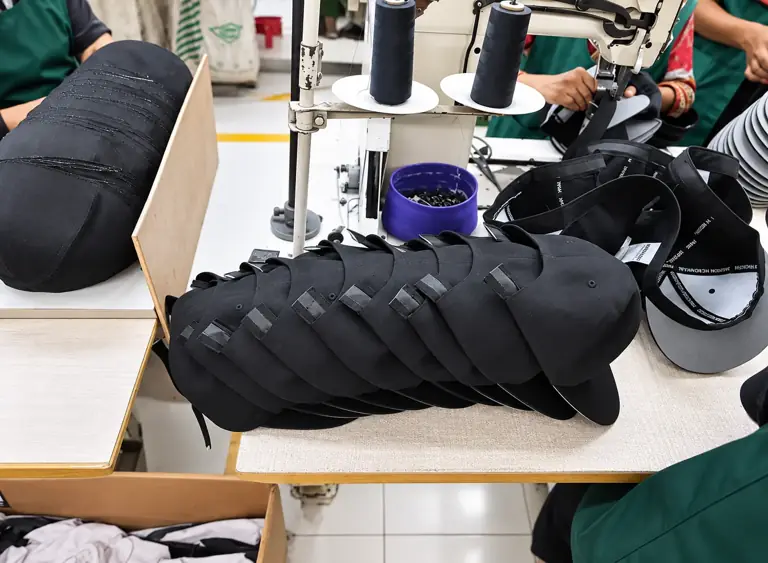
Give every reference a job
Identify the style, intended wearer and product version. Mark which reference controls crown shape, which defines the measurement method and which carries the authorised artwork. If two references conflict, record the decision needed rather than asking the sample team to choose silently.
Use a front, side, rear and interior view where each adds information. Annotate the features to retain and the features to change. A photograph of an attractive cap does not specify its internal support, visor insert or closure arrangement.
Write the cap construction into the material list
List the shell, front support, sweatband, seam tape, visor components, eyelets, top button and closure as relevant to the chosen construction. Record their identifying references, colours, dimensions and other agreed properties. Mark items that are proposed rather than accepted.
Connect material substitutions to the specification revision. A visually similar band or support can still change the assembled cap’s feel or shape. Review the accepted combination of components instead of assuming that separately approved swatches automatically approve the finished cap.
Make measurements reproducible
Define the head-opening measurement, crown depth, visor projection and width, rear opening and adjustment arrangement. Show the measuring points and cap condition used for review. Distinguish a measurement taken flat from one taken along a curved edge.
Record the agreed tolerances and relevant size coverage. For a curved visor, retain the accepted shape reference as well as dimensions. A nominal circumference or closure length alone does not describe how the complete cap sits.
Separate the artwork file from the application approval
Keep the authorised logo version, finished dimensions, colours and placement views identifiable. Add the proposed application method and review the result on the intended fabric and crown. Small lettering, seam crossings, support and interior finish need the assembled reference.
Link the decoration approval to the material and sample revision it covers. When either changes, identify whether the previous application reference still applies. The same logo file can produce a different result when the fabric, construction or finished size changes.
Maintain one sample decision record
| Part of the pack | Reference to identify | Decision to retain |
|---|---|---|
| Construction | Cap views and component list | Accepted shape and open component choices |
| Measurements | Chart, method and sample size | Accepted dimensions and revisions |
| Decoration | Artwork and assembled application | Logo size, position and finish |
| Review requirements | Inspection or evidence plan | Scope, criteria and unresolved conditions |
| Presentation | Labels and packing breakdown | Item identity and accepted assortment |
Date the record and name the sample version. Separate accepted features from required revisions, and identify which colours, sizes and decorated variants the decision covers. Keep missing information visible until it is resolved.
Connect inspection and packing to the approved version
State the review criteria and any agreed sampling or testing arrangements. ISO 2859-1 addresses acceptance sampling by attributes; referring to it does not replace the need to define the actual cap specification, defect criteria and applicable inspection plan.
Use consistent item references across labels, order quantities, packing records and carton marks. Confirm the final specification and outstanding conditions before release. Discuss development through the Wenext Caps baseball cap product page, or send the OEM specification pack with the proposed quantities, destination and timing.