
A private label baseball cap carries more than a front logo. Interior labels, care information, hangtags and item identification need the same attention as the crown and visor. Decide who supplies each piece of information, who approves it and how it connects to the finished cap version.
Start with the Baseball Cap Buying Guide for the construction and sample brief. This article focuses on label artwork, information ownership and presentation approval for private label cap programmes.
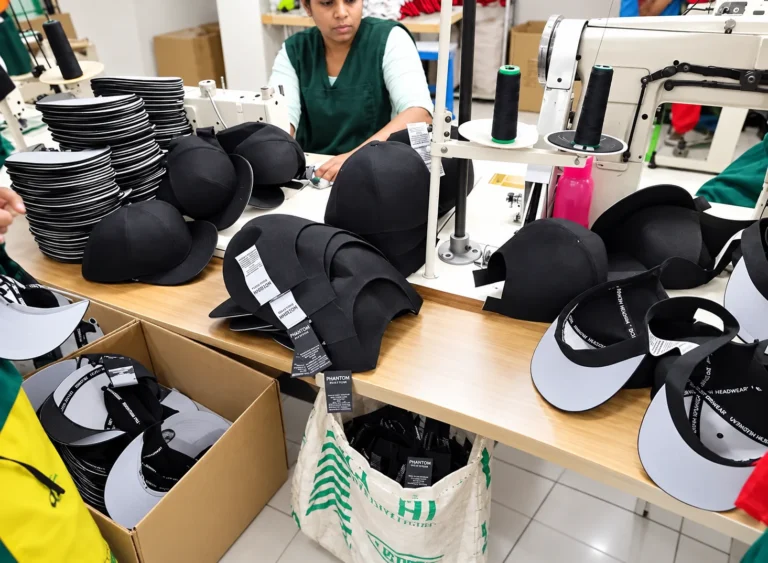
List the labels and presentation items
Identify the brand label, size identifier, information label, hangtag, barcode label and packing items required for the actual programme. Record each item’s material, dimensions, colours, artwork and attachment or placement reference. Keep optional presentation ideas separate from confirmed requirements.
Show the interior arrangement on the cap. Check how labels relate to the band, seam tape and closure, and review the intended worn finish. An approved loose label does not establish that its position and attachment have been accepted on the finished cap.
Assign responsibility for the information
Identify the party supplying and approving the final wording for the intended destination. Keep composition, origin, care, size and other required information connected to the actual product specification. Do not fill unresolved fields with assumptions drawn from another cap.
Where the care information depends on materials or decoration, confirm the accepted combination and relevant review. A substitution can require the wording or supporting evidence to be checked again. Retain the final text version alongside the label artwork rather than treating it as an informal sample comment.
Control artwork versions across the cap range
Use the authorised brand files and identify the accepted production artwork for each label or tag. Review lettering, dimensions, colour and readability at the actual finished size. If the artwork changes, make clear which cap items receive the revision.
The branded cap artwork register helps connect logo and colourway versions. Extend that same item identity to labels and packing so an old tag cannot be paired with a revised cap simply because the brand name matches.
Verify proposed claims within their actual scope
If a material or certification claim is proposed, identify the relevant evidence, identifier and permission for its use. The official OEKO-TEX Label Check is one example of a programme-specific verification service. Record what the checked reference covers instead of extending a component claim to every product automatically.
Keep the exact claim wording and artwork approval linked to the product version. Distinguish information still being requested from evidence already available. A logo on a mockup should not become the only basis for a label claim.
Approve the assembled label and packing set
| Item | Reference to retain |
|---|---|
| Brand labels | Authorised artwork, dimensions and interior placement |
| Product information | Final wording, responsible approval and covered cap version |
| Claim references | Relevant evidence, scope and accepted use |
| Tags and codes | Item data, printed sample and assignment record |
| Presentation | Attachment, individual packing and carton breakdown |
Review the complete set on the intended cap and retain the accepted presentation. Confirm quantities for each finished item and separate revisions in the receiving records. Use the Wenext Caps baseball cap product page for development, or send the private label brief with authorised artwork, final information, item quantities and packing requirements.