
A baseball cap inspection is more useful when the reviewer knows which product version, measurements and workmanship criteria have been accepted. An attractive reference photograph cannot answer every question about tolerances, closures or label information. Define the inspection brief before using a general statement such as “check the quality”.
Start with the Baseball Cap Buying Guide for the product decisions. This article focuses on connecting an inspection record to the approved cap specification and agreed review scope.
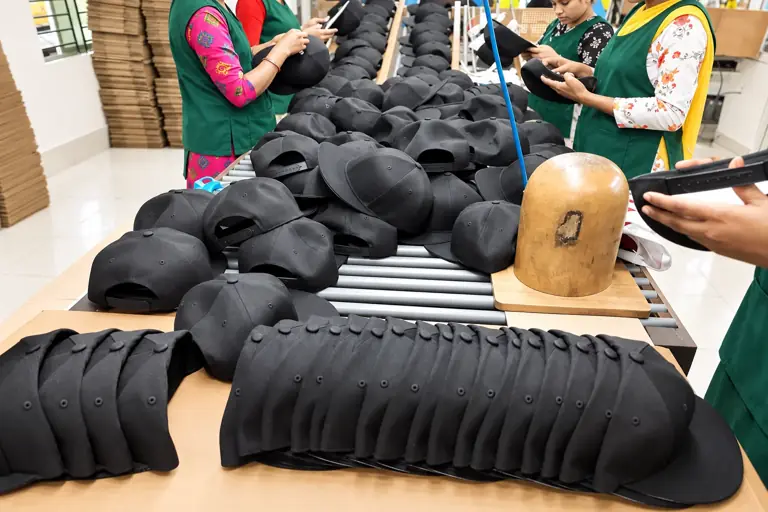
Identify the approved reference and lot being reviewed
Record the style, material, colour, size and artwork versions. Identify the dated cap sample and specification used for comparison. Keep any unresolved sample condition visible so it is not mistaken for a feature already accepted.
Define the order or lot covered by the review and the agreed selection method. A result for one identified group of caps should not be presented as evidence for an unrelated material, size or later order.
Make measurement checks reproducible
Use the agreed measuring points, cap condition and tolerances. Record actual results against the corresponding size reference. Distinguish the head opening, crown depth, visor dimensions and rear adjustment measurements rather than combining them into a general fit comment.
Keep the accepted visor shape and worn profile references where appearance is also being reviewed. A dimension within tolerance can answer one question while the assembled balance needs another observation. Identify the issue precisely when requesting a revision.
Define observable workmanship criteria
List the seams, panel alignment, visor join, band, closure and interior finish that need review. Add the relevant decoration, labels and packing criteria. Use accepted examples or written descriptions where they help distinguish an issue from an intentional design feature.
| Area | Observation to identify |
|---|---|
| Construction | Seams, panel alignment, joins and accepted shape |
| Measurements | Actual values against the agreed method and chart |
| Closure | Specified components, attachment and agreed function checks |
| Branding | Artwork version, dimensions, placement and finish |
| Presentation | Labels, item identity, quantities and packing |
Record the relevant defect category and decision criteria agreed for the programme. Keep photographs connected to the item and location of the observation. An unexplained image or a generic pass/fail label gives the next reviewer little context.
Keep sampling and test evidence within their scope
ISO 2859-1 covers acceptance sampling by attributes. If that framework is specified, agree the applicable inspection arrangement and acceptance criteria; the standard’s name alone does not define the cap’s requirements or prove an order passed.
Identify separate material, attachment, care or performance evidence where the brief requires it. Record the product or material version covered by a report and distinguish requested evidence from results actually available. Visual workmanship checks do not establish every material property.
Close findings against the same specification
Document accepted findings, required actions and unresolved conditions. Identify what needs correction, reinspection or another approval, and retain the relevant record. Where a component or process changes, review whether the previous evidence still covers the revised product.
The OEM specification pack helps organise the underlying references. Discuss the product through the Wenext Caps baseball cap page, or send the inspection brief with the approved references, item quantities and required review scope.