
Two cap references can both show six crown panels while leaving a buyer with different products. The front may sit at a different angle, the crown may have a different depth, and the inside support may hold a different shape. The useful question for a six-panel cap manufacturer is which construction your brief actually describes.
Start with a marked set of cap views. The 6-Panel Cap Buying Guide covers the wider order decisions. Here the focus is the crown itself: panel seams, front profile, top finish and the components that belong to the approved shape.
Give the crown a reference that can be read from every side
Choose front, side, top and rear views of the intended design. Number them and identify which sample or drawing they describe. Show where the front centre seam sits, how the other panel joins meet the top and how the rear opening relates to the crown.
If the reference is mainly an inspiration image, mark the features you want to retain. A note beside the relevant view is more useful than a general instruction to make a cap “like this.” Show a proposed change to the top finish, side position or front profile directly where it belongs.
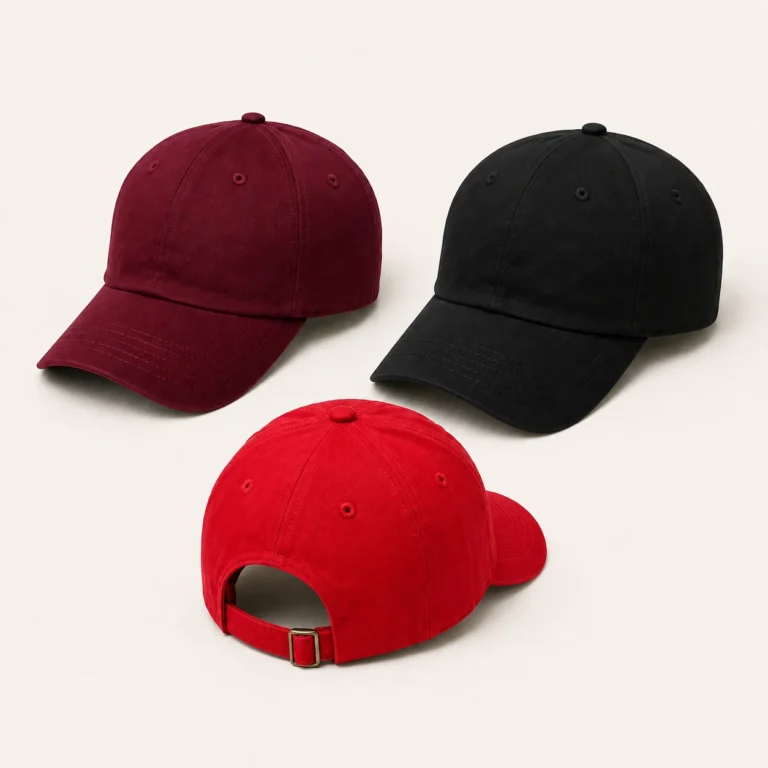
Separate the front profile from the support inside it
Describe the front shape you want, then ask the supplier to identify the proposed fabric and support arrangement. Include the lining or other relevant inside components in that discussion. A photograph of the outer crown can leave those details open.
For one industry example, AS Colour describes its Icon Cap as a structured, mid-profile six-panel cap with a curved peak and plastic snapback. Those are separate features of that product. They illustrate why the panel count should be accompanied by the intended profile, support and component choices in your own brief.
For a Wenext design, review the proposed combination on an identifiable sample. If an early sample uses a temporary material, say which crown questions it can settle and which decisions remain open for the final material.
Look closely at the front seam and top junction
The front seam is a useful location reference for the design. Mark how the proposed artwork should sit relative to it, even when the artwork itself is being approved in a later round. This helps avoid settling a crown layout that leaves the planned decoration unclear.
At the top, identify the intended finish and any button or other component. Review the relevant panel joins from above and from the front in the agreed sample setup. Keep comments attached to the observed junction or seam instead of requesting a general change to the whole crown.
If a panel colour contrast is part of the cap, mark its boundary on the drawing. The sample review should show the complete colour arrangement so the seams and junctions can be assessed in their intended surroundings.
Use one setup when comparing crown versions
Agree the wearing or display reference for the silhouette review. Record the relevant closure setting and the condition of the cap. A sample arranged flat on a table and another photographed while worn can answer different questions about its shape.
Add measurements with units and defined points where they are needed. If the concern is crown depth or side position, identify that location in the comment. Ask the supplier to explain the proposed revision and compare the next sample against the same reference views.
Keep the visor in the comparison. Its position at the front and its supplied curve or flatness are part of the assembled silhouette. A revised crown should be reviewed with the relevant visor rather than judged only as a loose panel drawing.
Close the construction brief with specific decisions
Before releasing the next sample, check that the brief answers these questions:
- Which views or drawing define the crown and its panel joins?
- Which front profile, top finish and rear opening are intended?
- Which fabric, support and inside components are proposed?
- Which details are accepted, provisional or awaiting revision?
- Which wearing setup and measurements will be used for comparison?
Retain the accepted sample and the specification revision together. A change to the material, support or pattern should identify the construction decisions that need another review. The shared style name is useful for identification, while the approved version defines the cap being developed.
Discuss the proposal through the Wenext custom six-panel cap product page. Send the marked crown views and open questions through Contact Wenext Caps so the first sample has a clear construction brief.