
A wholesale cap total is only useful when it can be traced to the items being made, reviewed and packed. A thousand pieces split across several constructions, colours and logos need a more precise record than one line reading “assorted caps.” Build the item matrix before treating the quotation as a comparable offer.
Start with the headwear range planning guide to choose the product families. This article turns that range into controlled order rows, allocation totals and release versions that a buyer, supplier and receiving team can follow.
Give each finished item its own row
Create an identifiable reference for each construction, colourway, logo version, size or other variation that changes the finished item. Include the applicable specification and artwork revisions. Two caps with the same front colour can still require different rows when their mesh, closure or decoration differs.
Keep descriptive names readable, but use a stable reference to connect the order documents. A renamed seasonal colour should not silently become a new cap specification, and a changed logo should not disappear inside an unchanged description.
Separate order quantity from allocation
Record the total quantity for each item, then show how it is divided between stores, depots, campaigns or other receiving groups. Reconcile the allocations to the item total and the item totals to the overall order. Keep spare quantities or separately supplied units explicit.
Ask the supplier to review minimums and component commitments against the actual matrix. Shared fabric or a common cap pattern does not settle the minimum for every colour, trim or decoration combination. Record the proposal and unresolved quantities before release.
Connect item identity with packing
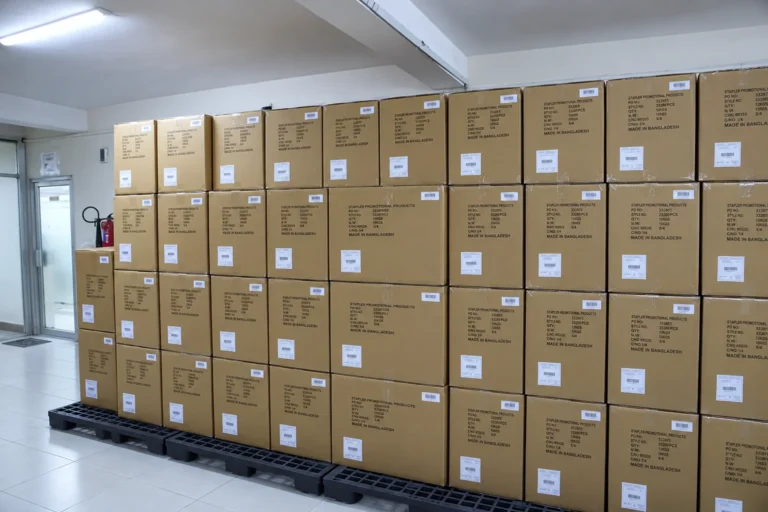
Show the packing unit, assortment and carton reference for the receiving plan. If a carton mixes items, list its contents clearly. Keep an internal style reference separate from any retailer-assigned product or logistics identifier.
For programmes using GS1 logistics labels, consult the GS1 Logistic Label Guideline alongside the buyer’s implementation instructions. The required identifiers and label responsibility should be agreed for the actual shipment.
| Control | Record to agree |
|---|---|
| Finished item | Construction, colour, artwork, fit and released specification |
| Quantity | Item total and any separately defined spare units |
| Allocation | Receiving groups and quantities reconciled to the item total |
| Packing | Packing unit, carton contents and applicable identity fields |
| Release version | Dated matrix, change record and responsible approval |
Make an amendment visible across the file set
When an item changes, issue an identifiable revision and explain the affected rows. Confirm which quotation, artwork, sample or packing record also needs updating. A new spreadsheet should make it easy to see the commercial effect, including a changed quantity or development requirement.
Before production release, compare the matrix with the accepted samples and remaining open points. Keep the supplier’s confirmation of the released version. For replenishment, start from that record and identify the current material, trim and packing changes.
Match the matrix to the cap construction
The baseball cap buying guide and trucker hat guide explain construction-specific inputs. Review the relevant baseball cap product or trucker cap product when defining those rows.
Send the proposed item list, quantities, receiving groups and target timing through Contact Wenext Caps so the quotation and order scope can be reviewed together.