
A baseball cap sampling schedule should show which decisions must be resolved before the next sample can answer a useful question. A shape sample, decorated sample and packing reference may cover different parts of the project. Name those purposes before assigning dates to a sequence of undefined “samples”.
The Baseball Cap Buying Guide covers the underlying product choices. This article focuses on planning sample rounds, review responsibilities and the conditions needed to release the accepted cap version.
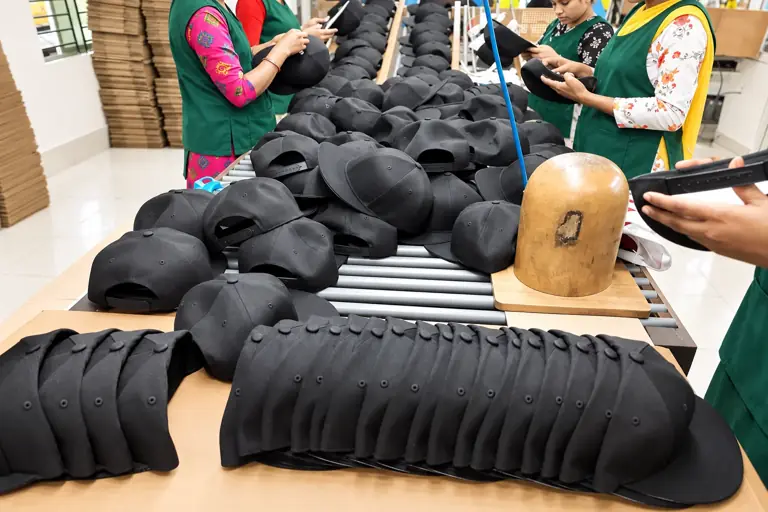
Define what each sample round must establish
Identify whether the round reviews pattern and fit, materials, decoration, presentation or a combined production reference. State the sizes, colours and variants represented. If a substitute material is used for an early shape review, make that limitation visible in the approval record.
A sample cannot close a decision it does not represent. Keep the intended purpose attached to its version so an early prototype is not later treated as approval of a different fabric, label set or logo application.
List dependencies before confirming dates
Record the files, swatches, components and measurements required for the round. Identify who supplies them and when they need to be confirmed. A missing artwork dimension or undecided closure can prevent the sample from representing the intended cap.
Decoration also depends on the actual fabric and construction. Madeira’s backing guidance gives technical background on fabric and design support. Keep the relevant application review connected to those choices instead of treating decoration as an unrelated final step.
Give the review team a specific comment format
Ask reviewers to identify the sample version, location of the issue and proposed decision. Separate accepted features from required revisions. Combine conflicting comments into a confirmed instruction before asking for another sample.
Record which change needs a new physical reference and which can be resolved through another agreed form of evidence. If a revision affects fit, decoration or a component already reviewed, identify the dependent decision that needs to be reopened.
Plan review and transport time as well as making time
Include the time needed to receive the sample, collect comments and confirm the next instruction. Identify the responsible review parties and any dates when they are unavailable. Keep the sample dispatch and receipt references distinguishable from the approval date.
Ask for the schedule against the actual materials, sample scope and revision status. Do not turn a provisional development estimate into a fixed production or delivery commitment while those dependencies remain unresolved.
Use release gates that can be checked
| Gate | Decision to retain |
|---|---|
| Shape and fit | Accepted pattern, measurements and sample coverage |
| Materials | Approved component references and substitutions |
| Decoration | Artwork and assembled application approval |
| Presentation | Labels, packing and item identity |
| Release readiness | Outstanding evidence, conditions and responsible decision |
Keep the final specification and dated reference together. The OEM specification pack explains the underlying records, and the inspection brief helps connect them to the agreed review scope.
Discuss development through the Wenext Caps baseball cap product page. To request a proposal, send the sample schedule brief with the design references, material status, quantities, review owners and target dates.