
A snapback is easy to recognize: a defined crown, a visor with a deliberate shape and an adjustable plastic closure. Getting those parts to look balanced in a bulk order takes more than placing a logo on a blank cap.
If you are comparing a custom snapback cap factory for a retail collection, team program or merchandise launch, start with the finished product you want to approve. This guide explains the decisions that belong in your brief, the details to review in a sample and the questions to settle before production. Wenext Caps can discuss your reference and order requirements through our snapback cap manufacturing service.
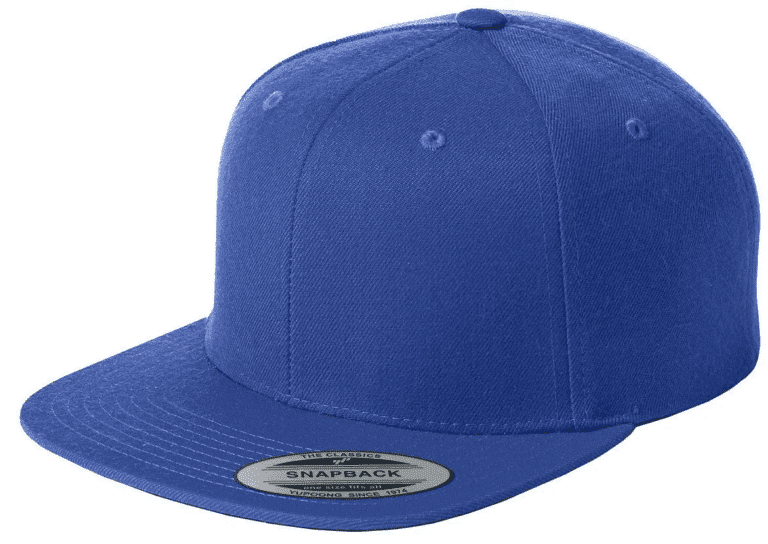
Choose the silhouette before the artwork size
The same logo can look quite different on a high-profile crown and a lower, more compact shape. A flat visor creates another impression from a pre-curved or slightly curved visor. Decide which combination fits the collection before finalizing the embroidery dimensions.
Send a physical reference where possible, with notes about the features you want to keep. If you use several reference photos, identify what each one represents: crown shape, visor direction, fabric texture or branding placement. A group of images without those notes can leave the factory guessing.
Discuss whether the front panel should be structured and how firmly it should hold its shape. Judge that choice on a finished sample. A cap photographed on a form may look different when worn, so review the front, side and back views as well as the product image.
Give the factory an order brief it can price
A quotation is easier to compare when every supplier works from the same specification. “Premium snapback with our logo” leaves the fabric, trims, packing and even the intended shape open to interpretation.
- Construction: panel arrangement, crown profile, front structure and visor reference.
- Material: fabric preference, color references and intended feel.
- Closure: snap color, appearance and adjustment requirements.
- Decoration: logo files, dimensions, locations and proposed method.
- Retail details: woven labels, hangtags, brim stickers and barcodes where needed.
- Quantity: pieces by style and color, with any assortment requirements.
- Delivery: destination, target date, packing instructions and terms to be quoted.
Ask the supplier to identify assumptions and alternatives. If a quoted price uses a different material or excludes a trim, record that difference before comparing it with another offer. Request MOQ and lead time for your actual specification rather than treating a general website figure as a confirmed order term.
Match the fabric to the shape you expect
Cotton twill, canvas, polyester and wool-blend directions can produce different appearances and hand feels. The right choice depends on the product brief, selling market and decoration. A fabric name alone does not describe how firmly the crown will stand or how the material will sit around a stitched logo.
Compare the proposed fabric in the finished construction. Inspect the panel seams, front shape and visor edge. If you approve a swatch first, keep it with the sample record so the fabric used in development can be checked against the earlier decision.
For contrast under-visors or mixed-color panels, approve the color combination together. A shade that works well on its own may look different beside the crown fabric, thread or snap closure. Screens are useful for discussion, but physical references are more reliable for final appearance approval.
Approve embroidery on the cap, not only on screen
Snapbacks often give the front logo a prominent role. That makes small issues—uneven edges, unreadable lettering, puckering or an unbalanced position—easy to notice. Ask to see the artwork at its intended size on the proposed fabric and crown construction.
Flat embroidery, raised embroidery and patches suit different designs. If an effect loses important detail, discuss a revised size, stitch interpretation or decoration method. Keep the approved result with the artwork revision so the production team knows which version to follow.
Backing is one of the materials involved in embroidery stability. For a product-specific technical reference, Madeira explains its cap embroidery stabilizers and other backing options. Use that information to ask informed questions; the sample must still confirm the combination chosen for your cap. For Wenext Caps decoration planning, see our custom embroidered cap guide.
Check the snap closure and back opening
The closure should be part of sample approval, not a color selected at the last minute. Review how it opens and closes, how it sits against the back opening and whether the adjustment range suits the intended wearer.
Try the cap at more than one setting. Look for an awkward gap, a strap end that sits badly or a crown that changes shape in an unexpected way. Record the sample and setting when giving feedback so the issue can be reproduced.
Ask the factory to confirm the closure reference for bulk production. If a substitution becomes necessary, review it before approval rather than assuming that another snap of the same color will have the same appearance or feel.
Make the retail trim package consistent
A private label snapback may need a brand label, care information, hangtag, barcode sticker and individual bag. Decide which items are necessary for your sales channel. More packaging is not automatically a better presentation.
Keep style names, color names and SKU references consistent across the cap label, hangtag, packing list and carton marks. Confirm who supplies the barcode data and who approves the final artwork. Check a packing example when the order has several styles or customer assortments.
If a brim sticker is part of the design, review its size and position on the sample. Make sure the sticker wording matches the product specification; it should not introduce unsupported performance or material claims.
Turn the approved sample into a bulk reference
Collect comments in one approval sheet. Mark the fit, material, logo, closure, labels and packing separately as approved or requiring revision. This prevents an email approving the embroidery color from being mistaken for approval of the entire cap.
Before production, agree the final sample revision, key measurements, tolerances and inspection approach. A buyer may want checks on visor symmetry, crown balance, logo placement, stitching, loose threads, stains and label accuracy. Specify the checks and acceptance method that apply to your order.
Retain the approved reference for repeat orders. If the fabric lot, decoration process or trim source changes, ask what needs reapproval. A product name and last year’s photograph are not enough to define every production detail.
Plan packing and shipment around the launch
A launch date needs time for sampling, revisions, material preparation, production, inspection and transport. Ask which dates depend on your approvals and what happens if a decision is late. Leave room to resolve issues before cartons are dispatched.
Agree carton assortment and marking before packing begins. For a retailer, receiving the right color and style breakdown can be as important as the cap’s finish. Confirm the commercial documents and shipment responsibilities with the supplier under the agreed order terms.
Questions to ask a custom snapback cap factory
Can I start from a cap I already sell?
A physical reference is a useful starting point. Explain which features should remain and which should change, and provide your own artwork and branding requirements for the new order.
Should the sample include every retail detail?
Agree the approval stages. Early samples may resolve shape and decoration, but final approval should identify the complete trim and packing specification. List any item that is still outstanding.
What details are needed for an initial discussion?
Send your cap reference, fabric direction, artwork, quantity by color, branding needs, packing instructions and destination. Add the target delivery date and any requirements that are essential to the collection.
Start with a clear snapback brief
A useful factory discussion ends with fewer assumptions: a defined silhouette, an agreed decoration direction and a sample review plan. Send your snapback reference and order details to Wenext Caps to discuss the next development step.
Before preparing the sample brief, use the Snapback Cap Buying Guide to settle crown construction, visor profile and the intended adjustment range.