
A useful snapback cap supplier comparison starts with one clear brief. If every supplier is quoting a different fabric, logo size or packing arrangement, the resulting prices and samples do not answer the same question.
Use a shortlist scorecard to record how each proposal meets your requirements, which points remain open and what evidence supports the decision. Start with the Snapback Cap Buying Guide to define the product before comparing offers.
Set essential requirements before reviewing proposals
Separate requirements that the project must meet from details that can be adjusted. These might include an accepted fit, a specific decoration result, required labeling data or a delivery window that needs confirmation. State what would count as an acceptable response for each point.
Keep optional preferences visible, but do not let an attractive extra obscure an unresolved essential requirement. A lower price is useful only when the proposal covers a product and delivery arrangement the buyer can accept.
Give each supplier the same current brief
Issue the same artwork, quantities, material references and packing instructions. Record the brief revision and the date of each response. If a supplier proposes an alternative, ask for the difference to be identified separately from the requested specification.
The custom snapback design brief helps organize those inputs. If a clarification changes the comparison basis, update the shared brief and request a revised response where necessary.
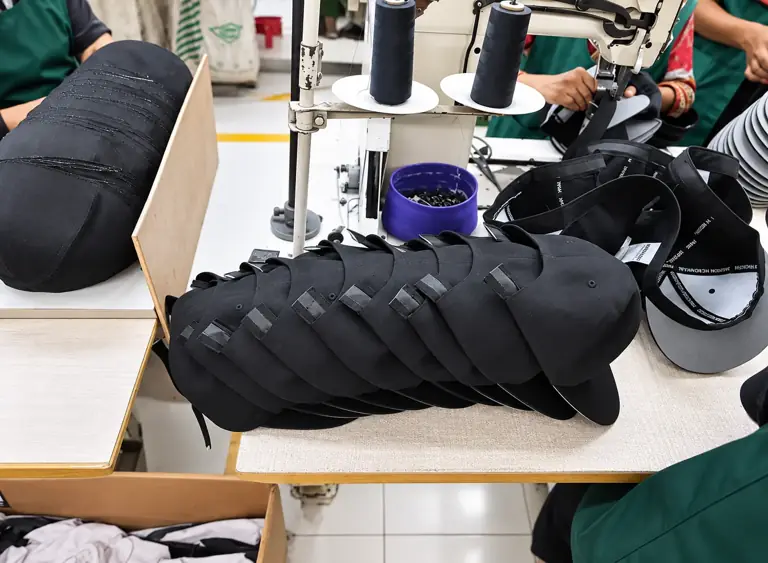
Record evidence instead of a general impression
For each criterion, note the relevant sample, document, photograph or written answer. Keep a short status such as “meets brief,” “clarification needed” or “alternative proposed.” Leave an unanswered point open rather than treating it as approval.
The manufacturer evidence checklist covers what to ask a supplier to demonstrate. The scorecard serves a different purpose: it organizes comparable responses so a buyer can make a project-specific shortlist.
Use a comparison sheet with room for exceptions
| Comparison area | What to record for each proposal |
|---|---|
| Brief alignment | Revision used, requested specification and declared alternatives. |
| Fit and shape | Sample reference, measured details and wearer-review outcome. |
| Materials and color | Physical references, component list and unresolved differences. |
| Decoration | Actual-size sample, legibility, placement and inside finish. |
| Commercial scope | Included items, separate costs, conditions and exclusions. |
| Schedule | Confirmed milestones, approval dependencies and open timing questions. |
| Packing and delivery | Assortment, labels, destination and agreed responsibilities. |
| Decision | Essential requirements met, follow-up owner and next review date. |
Compare samples under consistent conditions
Review the caps using the same front, side and rear views, measurement method and intended adjustment setting. Check logos at their actual size. Identify which samples use final materials and which contain provisional components.
Use the agreed physical color references when assessing color. Pantone’s physical-sample guidance explains why a physical reference matters when a project moves from a screen to a product. Record the relevant reference for each material instead of ranking inconsistent screen photographs.
Normalize quotation scope before judging price
Compare unit prices alongside decoration, trims, sampling, packing and the delivery basis. Identify the quantity and color breakdown behind each offer. An apparent saving may reflect a different component, omitted label or different shipment responsibility.
Use the snapback quotation comparison guide for the commercial detail. Keep the price comparison and the product evaluation linked, with unresolved exclusions clearly stated.
Close the shortlist with a defined next step
For each remaining supplier, state what needs to happen before selection: a revised sample, a clarified quotation, an inspection instruction or a confirmed schedule. Record who will review it and which version will become the approval reference.
If numerical scoring helps your team, define the criteria and weighting before applying it. Keep essential requirements as explicit decision points so a combined score does not hide a critical gap.
Common supplier-comparison questions
Should I choose the lowest quoted unit price?
Compare the same specification, included services and delivery basis first. Then assess price alongside the requirements the actual project must meet.
Can suppliers propose different materials?
Record the requested option and each alternative separately. Assess an alternative through its own sample and commercial implications before accepting it.
Does a high score prove a supplier is best for every order?
The scorecard supports a decision for the brief being evaluated. Different products, quantities or delivery needs may lead to a different shortlist.
Include Wenext Caps in your project review
Review the snapback cap product page, then send your current brief to Wenext Caps. Identify the product criteria and commercial questions that need a comparable response.