
A useful snapback cap quote comparison starts with the specification behind each price. Two offers can describe a “custom snapback” while covering different fabrics, logo sizes, labels or packing. Before deciding which supplier offers the right solution, make those differences visible.
This checklist helps you organize quotations for the same proposed order. Start with the custom snapback design brief so suppliers receive one current set of references and assumptions.
Compare the same cap, not only the same style name
Check crown profile, panel layout, front support, visor shape and closure. A quote for an adjustable cap does not automatically cover the construction in your reference. Ask the supplier to identify the proposed material and shape rather than leaving “standard quality” undefined.
Record any offered alternative separately. A different fabric or decoration method may be useful, but it should be visible as an alternative rather than silently replacing part of the requested specification. Use the Snapback Cap Buying Guide to settle the construction choices that still need review.
Put quantities and colorways on the same basis
Compare the quantity per style, color and size where applicable, as well as the order total. A price based on one large colorway is not the same offer as a price for several small versions. Include different logo files or trim colors in the version list when they affect the proposed order.
Ask each supplier to confirm the quantity split used in the quotation and any minimums tied to it. If you change the split during development, request an updated offer instead of treating an earlier price as unchanged.
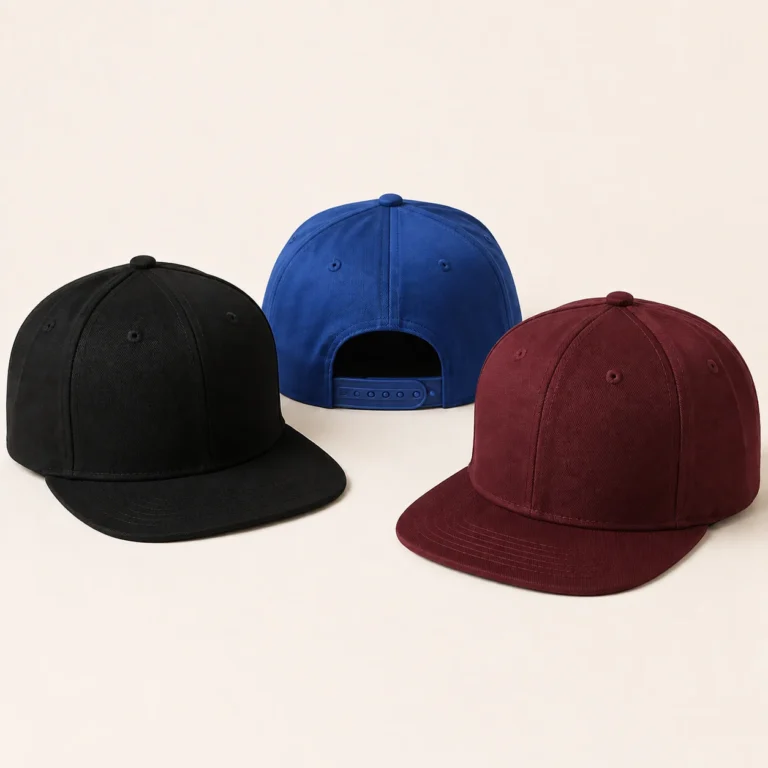
Use a short quotation comparison sheet
| Field | What to confirm in each offer |
|---|---|
| Construction | Crown, panel layout, visor, support and closure reference. |
| Materials | Proposed fabric, sweatband, trims and component colors. |
| Decoration | Method, artwork dimensions, positions and number of versions. |
| Quantities | Units by style and colorway, with minimums stated. |
| Development | Sample scope, charges, revisions and any separately priced setup. |
| Packing | Labels, hangtags, individual packing and carton assortment. |
| Commercial basis | Currency, validity, payment proposal and specified delivery basis. |
| Timing | Milestones, their starting conditions and the meaning of the quoted date. |
Check what the decoration price includes
Confirm the proposed embroidery, patch or print method against the actual artwork. State the finished dimensions and each placement. A front graphic alone is a different scope from a front graphic with side and rear branding. If artwork differs between colorways, identify the relevant files in the offer.
Ask whether development or setup is included, charged separately or subject to a stated condition. Keep the initial-order and repeat-order assumptions separate if they differ. A low cap unit price can be misleading when the comparison leaves out required development work.
Make private label and packing differences visible
Consider a hypothetical comparison: one offer includes a front logo only; another includes inside labels, hangtags and individual packing. Those are different packages even if the photographs show similar caps. List the additional details so the buyer can compare either the same scope or a clearly priced difference.
The private label snapback trim guide helps define those requirements. Check who supplies artwork and identifier data, which samples represent the trims and how finished units will be separated for receiving.
Separate production timing from shipment timing
Ask when the quoted production period starts. It may depend on sample approval, material confirmation or another agreed milestone. Establish what the end date represents: completion, readiness for collection, dispatch or arrival. Record open dependencies so a date is not read as an unconditional commitment.
For delivery scope, ask the supplier to state the proposed Incoterms® rule, named place or port and version where those rules are used. ICC explains how the Incoterms® rules allocate delivery tasks, costs and risks. They are one part of the agreement; the product specification, payment proposal and other order terms still need to be stated.
Keep unresolved assumptions beside the price
Use a short open-points list. It might include an unconfirmed fabric color, a logo method awaiting a trial, missing carton instructions or a sample charge that needs clarification. Ask the supplier to confirm or qualify each point in writing before treating the quotation as comparable.
Do not convert an unanswered field into an assumed inclusion. An offer with a clearly stated limitation can be easier to evaluate than an apparently complete price with important details left unstated. Update the comparison when the specification changes.
Choose the next development step on evidence
Use the quotation review to decide what needs to be checked next: a material reference, a decoration trial or a complete sample. Compare the proposed cap with the agreed brief, and record changes that affect the commercial offer. Keep the accepted specification and the current quotation linked by their revision references.
Frequently asked questions
Is the lowest unit price always the lowest comparable offer?
Only when the relevant scope and assumptions match. Check required decoration, development, trims, packing and delivery responsibilities before making the comparison.
Can I compare a stock-fabric quote with a custom-fabric quote?
You can evaluate them as different options, but identify the material difference and its quantity or timing implications. Ask for matching-scope quotations if you need a direct comparison.
Should I request a new quote after changing the design?
Ask whether the change affects price, minimums or timing, and keep the confirmed response with the updated brief. Do not assume a previous offer covers a different specification.
Request a clearly scoped snapback quotation
Review the main snapback cap product page, then send Wenext Caps your specification and quantity split. Include the required timing and packing scope, and mark any options you want quoted separately.