
A custom headwear collection can lose focus before the first sample arrives. Add a second shape, several colors and two logo treatments, and a small launch becomes a long list of separate products. The useful starting point is a range plan: what each style is for, what it shares with the rest of the collection and which details need their own approval.
This guide explains how to organize that plan before asking Wenext Caps for a quotation. Use it for a coordinated range of caps and hats, then take each selected style into its own product brief.
Give each headwear style a clear role
Start with the customer and selling situation. A relaxed everyday cap, a mesh-back event cap and a size-specific fitted cap answer different needs. They do not all need to appear in the same launch. Write one sentence explaining why each proposed style belongs in the range. If two styles serve the same purpose, decide what meaningful choice the second one offers.
Compare silhouette, crown structure, visor shape, fit and closure before assigning colors. The baseball cap buying guide and custom trucker hat guide can help with those first construction decisions.
Build a range sheet before a detailed tech pack
A range sheet is the overview, with one row per proposed style and colorway. Detailed measurements and sewing instructions belong in the individual style specifications. Keeping these two documents connected makes changes easier to trace.
| Field | What to record |
|---|---|
| Role and style | Customer, use, cap family and a working style code. |
| Construction | Crown structure, panel layout, visor shape and closure. |
| Colorway | Separate references for crown, mesh, visor and trims. |
| Artwork | Logo file revision, decoration method, size and location. |
| Order plan | Estimated quantity by style, color and size where applicable. |
| Approval status | Sample reference, open questions and the person approving changes. |
Use shared details where they actually work
Brand labels, hangtag design, a core color palette and packing language can bring different styles together. However, a shared specification still needs to suit each construction. A label position inside a fitted cap may not work beside an adjustable strap. The same front graphic may need different dimensions on a low crown and a taller structured front.
Mark shared details explicitly, then list the exceptions. “Same branding as style A” is too vague if style A is still changing. Use a named artwork file or trim reference with a revision date. For the individual decoration decision, see cap logo placement and artwork planning.
Count variants before spreading the order too thin
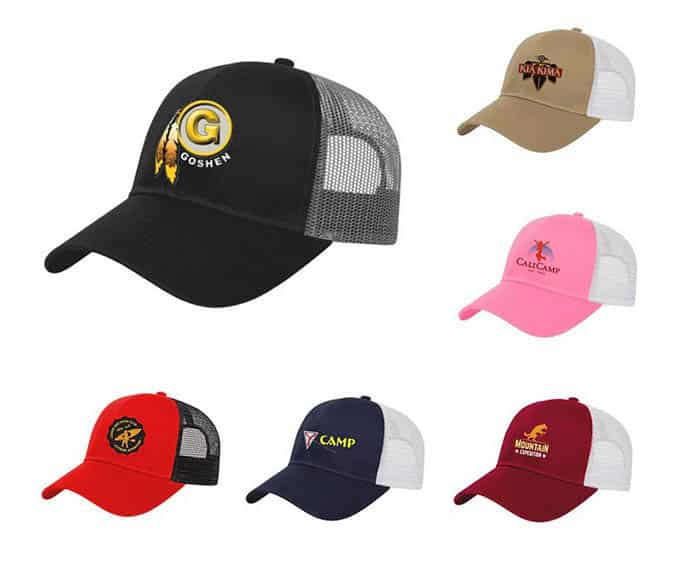
As a hypothetical example, three styles offered in four colors create twelve style-color combinations. Adding two decoration versions to every combination creates twenty-four distinct versions, before any size choices. That is a planning example, not a minimum order or production offer.
Check quantities at the level the supplier needs to make and source them. A total collection quantity does not establish an acceptable quantity for every fabric, color or trim. Ask Wenext Caps to review the proposed split and confirm minimums, material availability and timing for the actual specification. If the range becomes too fragmented, keep fewer launch colors and record the others as later additions.
Approve each shape and each material combination
A successful sample in one style does not approve the fit or construction of another. Establish a reference for each selected shape. Where colors or trims share a construction, agree what additional evidence is needed for those variations, such as a physical color reference, decoration trial or finished sample.
Keep a simple approval register. Record what was checked, what changed and which sample now controls bulk production. Do not let an attractive collection photo replace the actual fit, measurement and workmanship review. The cap quality review checklist shows how to turn general expectations into specific checks.
Separate internal item codes from retail barcodes
Give every orderable version an unambiguous internal code and use it consistently on the range sheet, purchase order and carton instructions. Specify the style, color and size in plain language as well. This helps a receiving team distinguish similar products without relying on a small photograph.
A retail channel may also require GTINs. GS1 explains what a GTIN identifies; it is separate from your own working style code. Confirm identifier allocation and label requirements with the relevant sales channel before approving barcode artwork.
Keep replenishment decisions in the same record
After launch, review sales and returns by item rather than judging the collection as a single total. A strong color may justify a repeat while a slower shape needs another fit review. Preserve the approved construction, artwork revision and material references for any reorder, and identify changes instead of assuming “repeat” means exactly the same specification.
Take the range plan into product development
Review the baseball cap product page or trucker hat product page for the styles you want to develop. Then send Wenext Caps your collection brief with the range sheet, reference images, artwork and proposed quantity split. Identify unresolved choices so the quotation can state its assumptions clearly.
Frequently asked questions
Can different cap styles use the same logo?
They can share a brand graphic, but artwork size, placement and production method should be reviewed on each construction. Approve the result on the intended cap rather than copying dimensions automatically.
Does one collection total cover every style’s minimum quantity?
Do not assume so. Minimums can depend on the style, material, color and customization. Have the supplier review the proposed quantities for each version before finalizing the range.
What should I prepare before requesting a collection quotation?
Prepare the style and colorway list, construction references, decoration files, estimated quantities and required timing. Mark any undecided details and ask that quotation assumptions be written down.
Adding an adjustable solid-crown style to the range? Use the Snapback Cap Buying Guide to specify its crown, visor and closure separately. Review the snapback cap product page for that part of the range.