
Patch cap attachment should be chosen for the actual badge and crown. A sew-on route, heat application or a combined arrangement each leaves different questions to resolve. Begin with the component reverse and the proposed cap construction, then approve the complete result.
Start with the trucker cap buying guide to settle the base construction. Use this checklist to prepare the related patch decision for that cap.
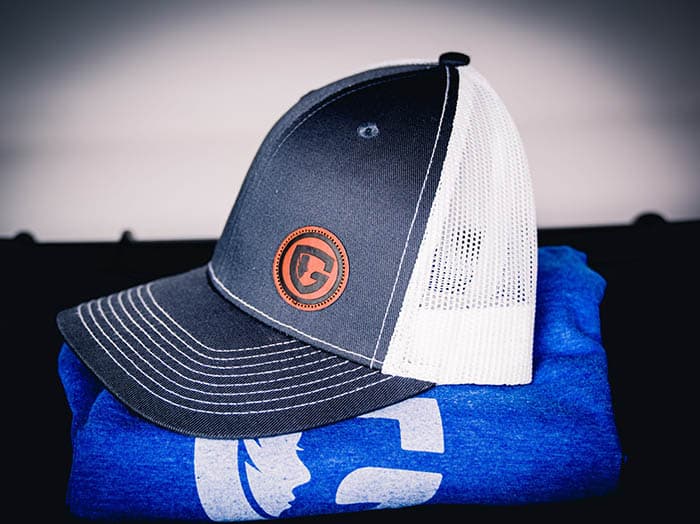
Map the surface that receives the patch
Identify the front fabric, support, lining where present and nearby seams. Record a proposed coating, wash or finish that could affect application. Check the available crown area and its curvature rather than use a flat artwork box as the whole placement specification.
The production handoff checklist connects the loose badge to the assembled cap. Keep its material, thickness, edge and reverse with the crown reference so the attachment team is reviewing the same combination as the buyer.
For sewing, approve the path and the inside finish
Show the intended stitch route, edge clearance and thread appearance. Check that the path does not hide important lettering or crowd a narrow border. Review the sample for unwanted puckering, loose threads and distortion around the badge.
Inspect the inside for exposed attachment and wearer contact. A tidy outer stitch line alone is not the full review. Keep photographs and the accepted cap as references, with the selected component version named in the production file.
For heat application, obtain the applicable instructions
STAHLS’ PVC patch instructions and STAHLS’ embroidered patch instructions provide product- and equipment-specific guidance. Their different instructions illustrate why one time and temperature should not be copied across unrelated patch systems.
Ask for the selected backing’s instructions and the intended equipment setup. Review an actual application on the proposed cap for edge contact, visible marking, flattening, shape change and the inside result. Record the development outcome and any agreed conditioning before release; a press display alone does not prove the bond or whole-cap care performance.
| Check | Reference to retain |
|---|---|
| Crown | Actual fabric, support, finish and available placement area |
| Badge | Material, dimensions, perimeter and reverse/backing |
| Sewing | Released path, edge clearance and inside appearance |
| Heat route | Applicable instructions, equipment and sample outcome |
| Release | Complete accepted sample and substitution review rules |
Approve the complete combination and its change rules
Use the agreed sample to review position while worn, the badge’s contact around the crown and the cap’s overall feel. Name any remaining temporary component so it cannot silently enter bulk production. Keep the relevant evidence behind proposed care or durability statements with that sample.
If the badge size, reverse, cap fabric or support changes, identify which attachment checks need repeating. Retain the accepted reference for incoming components, early assembly and final inspection. This makes later decisions traceable to the product actually approved.
Discuss the proposed trucker cap with Wenext Caps. Send the artwork, cap reference, intended quantity and open questions through Contact Wenext Caps so the next sample or quotation can address the actual brief.