
A useful custom trucker hat design brief helps the factory understand what you want to make and which decisions still need discussion. You do not need to hide unfinished details behind a polished presentation. Clear references and clearly marked questions are more useful than an attractive image with no quantities or construction direction.
Use this checklist for the first enquiry. Our custom trucker hat guide explains the wider product choices, while the OEM tech pack guide covers the more detailed technical file used during sampling and approval.
Start with the wearer and selling channel
Explain who will wear the cap and how it will be used or sold. An adult retail collection, a staff program and a promotional event can lead to different priorities for fit, branding and packing. Keep the explanation practical: identify the audience, intended look and any specific use conditions that matter to the proposal.
State whether you want an undecorated base, a fully branded cap or development around your own reference. This helps the factory understand the scope of the enquiry before reviewing material and decoration options.
Use a short first-enquiry worksheet
Give every proposed style and color combination a recognizable reference. An early brief can contain open decisions, but they should be visible. The following fields provide a useful starting point.
| Field | Useful information |
|---|---|
| Reference | Photos, sketch or an identified physical cap |
| Shape | Panel direction, crown profile and visor preference |
| Materials | Front and mesh choices, or options needing advice |
| Colorways | Front, mesh, visor, closure and trim combinations |
| Branding | Logo files, placements and intended application |
| Quantity | Units requested for each style and color |
| Timing | Receiving target and any approval deadline |
| Packing | Retail presentation, grouping and destinations |
Separate a reference from an instruction
If you send a photograph or an existing cap, identify the features that matter. Do you want its crown height, visor curve, mesh appearance or overall proportions? Also identify what should change. Otherwise, the sample team may treat a detail you dislike as part of the requested design.
An example instruction could read:
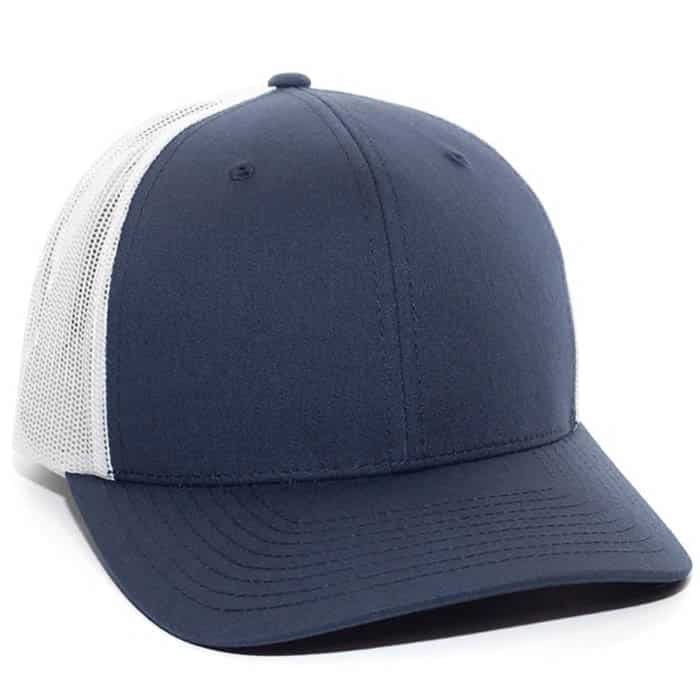
Use the crown and visor profile of this reference. Change the solid front to olive, keep a white mesh back and leave the front undecorated for the first fit review.
This gives the team a direction to discuss. Final measurements, materials and decoration still need to be developed and approved for the actual project.
Label decisions that are still open
Mark a material, closure or decoration method as provisional when you want a recommendation. Explain the result you are trying to achieve: a softer front, a cleaner logo area, a particular silhouette or a defined inside finish. Avoid presenting an untested assumption as a fixed technical requirement.
Ask the factory to identify the choices that need sampling or clarification before a meaningful quote can be confirmed. Keep agreed decisions separate from alternatives being explored so different options do not become mixed into one specification.
Send usable artwork and color references
Provide the best available logo artwork and identify its current version. Show the intended placements and approximate sizes, even if the application method still needs review. Separate front, side and rear marks instead of relying on one generic logo file.
Use physical color references where practical. Pantone’s physical color sample guidance explains their value when moving beyond screen selections. Review the actual front and mesh together during development. Our logo placement and colorway guide covers the next level of artwork coordination.
Make quantities, timing and packing visible
List requested quantities by style and color, rather than sending only a combined total. Identify any assortment or destination split that will affect packing. Ask how the minimums apply to the proposed material and construction choices.
Give the required receiving date and explain whether it is linked to a launch, event or replenishment need. Keep that date distinct from a requested dispatch date. If labels, hangtags or individual packing are part of the project, include them in the enquiry instead of adding them after the cap has been quoted.
Use the quotation review to resolve the next decisions
Compare the proposal with your brief. Check which materials, decoration, inside finish and packing items are included and which remain assumptions. Ask about the sample stage and the information needed to move forward.
When several options are quoted, keep them identified separately. Record what changes between them so a later approval does not combine the price from one option with the construction from another. Once the direction is agreed, move the details into the controlled technical and sample-approval file.
Frequently asked questions
Can I start with reference photos instead of a finished tech pack?
Yes, photographs or a physical reference can start a development discussion. Add quantities, intended use, branding direction and clear notes about the features you want to keep or change.
Should I decide every material before making an enquiry?
You can identify open choices and ask for options. Explain the intended result and mark provisional decisions clearly so the proposal does not treat them as approved materials.
Is the first quotation the final production specification?
No. Review the assumptions in the proposal and confirm the construction, materials, artwork and sample approvals for the actual order before production is committed.
Send the brief for review
See the Wenext Caps trucker hat production page, then send your reference and completed enquiry fields through the contact page. Keep open questions visible so the discussion can focus on the decisions that matter to your cap.