
An ODM headwear alternative should be a proposal you can compare, not a component change hidden inside the next sample. A new fabric, closure or support can affect more than the visible feature that prompted the suggestion. Give each option a clear identity and review its effect on the complete cap.
The ODM concept-to-release guide explains the overall development route. This comparison sheet helps choose between material and component proposals once a design direction is taking shape.
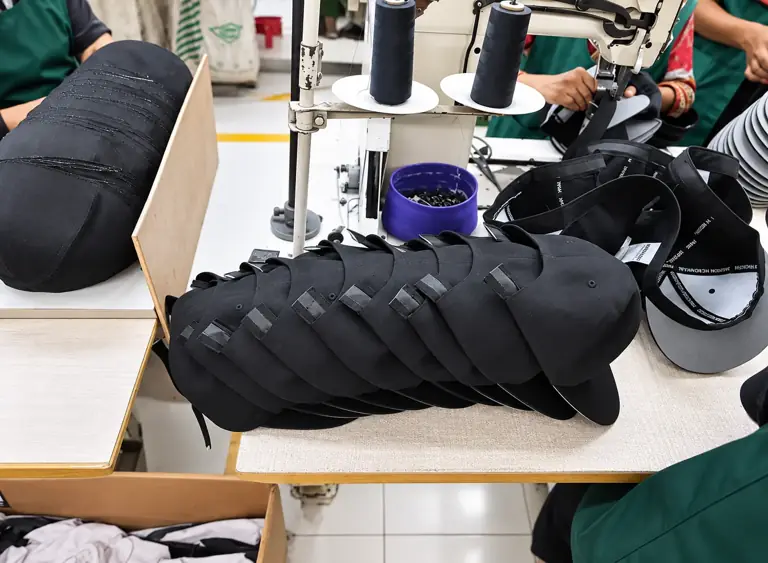
Compare options from the same starting point
Identify the current drawing, sample and intended use. Show which component changes in each option and which details are expected to remain shared. Keep the relevant colour, dimensions and material information beside the component reference.
Ask why the alternative is being proposed: availability, appearance, construction, cost or another requirement. Record the reason without treating it as proof that every property of the earlier option is retained.
Describe the material rather than relying on its name
A fabric proposal should identify the actual reference and relevant composition, construction, weight and finish information where supplied. Note what is still provisional. Match the swatch or sample to the option being priced.
CottonWorks’ woven fabric guide distinguishes basic woven structures. Those terms help describe a proposal; the selected material and assembled cap still need review for the intended shape, feel and decoration.
Ask which connected checks need repeating
A lighter fabric can raise questions about support and decoration. A new closure can affect the rear opening and adjustment setup. Ask the supplier to identify the dependencies for each offered option, then decide which representative sample or component check is needed.
Keep performance and certification claims tied to suitable supporting evidence. A visually similar substitute does not inherit a test result or document simply because the colour and overall appearance are close.
| Field | Record for the proposed cap |
|---|---|
| Option identity | Component reference and affected drawing or item |
| Reason for change | Availability, appearance, cost or another stated requirement |
| Known differences | Material information, dimensions, finish or adjustment details |
| Review dependency | Shape, fit, application or packing checks affected |
| Decision and price | Accepted option, proposal version and unresolved conditions |
Release the chosen option and retire the ambiguity
Confirm the selected component in the specification, quotation and sample record. Keep rejected options out of the active release set while retaining the development history where useful. If only some colourways use the alternative, mark the applicable items.
For a camper-style construction, the five-panel guide and five-panel product page identify related checks. Send the controlled option sheet through Contact Wenext Caps to review the next development decision.